
April Cherry’s frittata collection is the result of years of experimenting with one of the most versatile egg dishes in home cooking. Frittatas are what happens when you can’t decide between a quiche, an omelet, and a casserole — and end up with something better than all three.
Browse the full collection below — click any card for the complete recipe. From vegetable-packed weeknight versions to impressive brunch centerpieces, every frittata here is worth making.
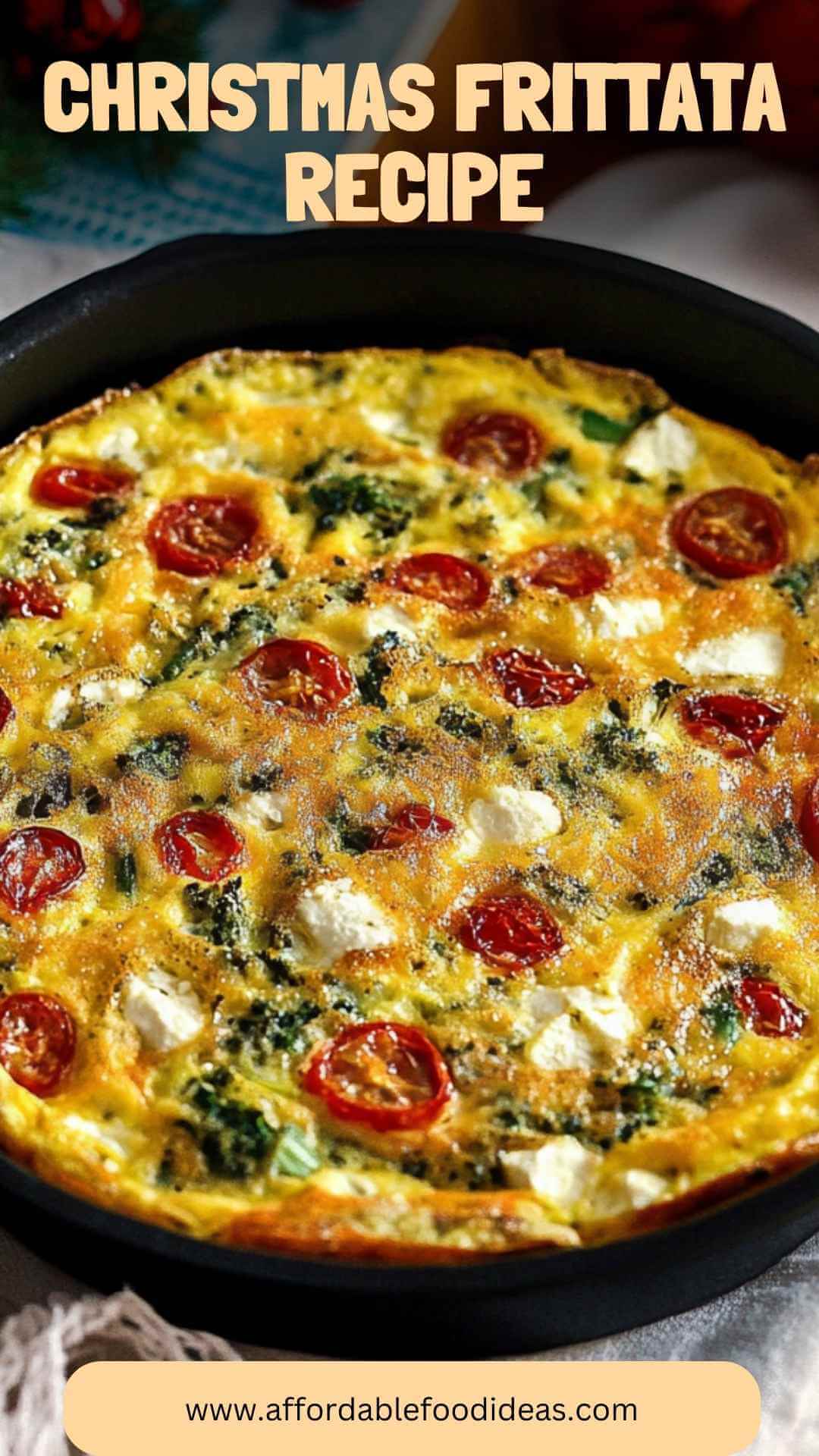
Christmas Frittata Recipe – Affordable Food Ideas
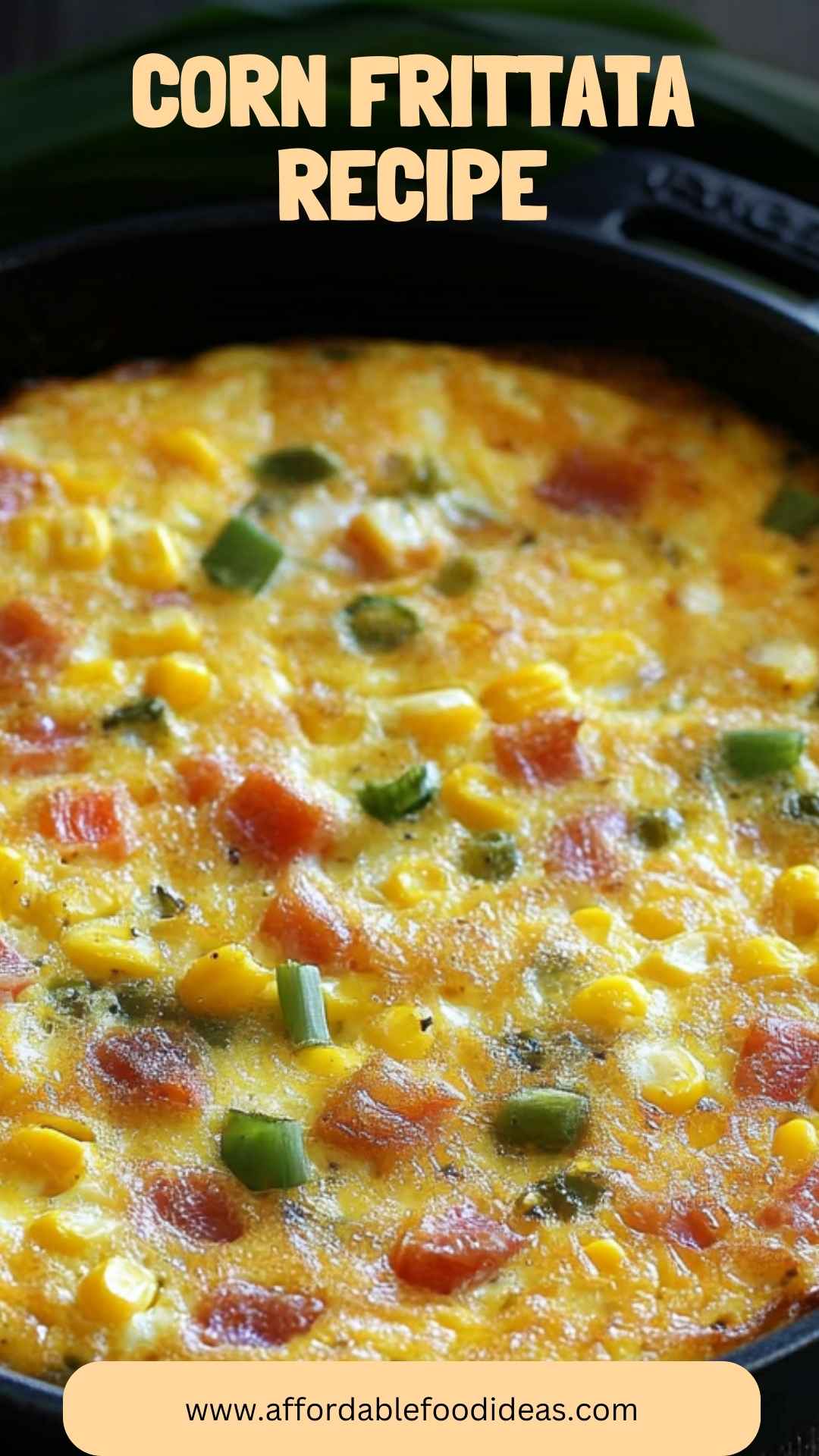
Corn Frittata Recipe – Affordable Food Ideas

Crab Frittata Recipe – Affordable Food Ideas

Spring Frittata Recipe – Affordable Food Ideas
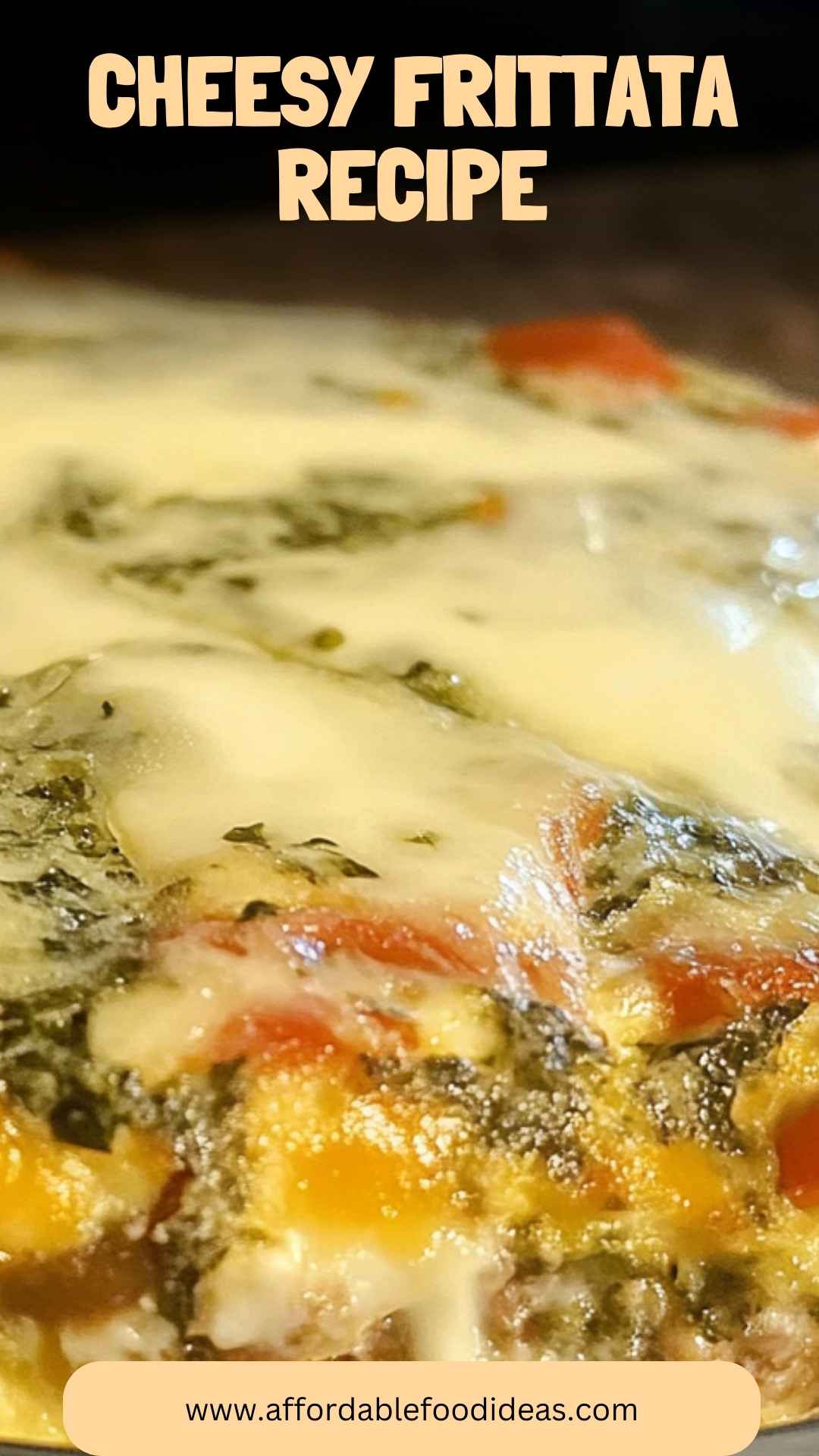
Cheesy Frittata Recipe – Affordable Food Ideas
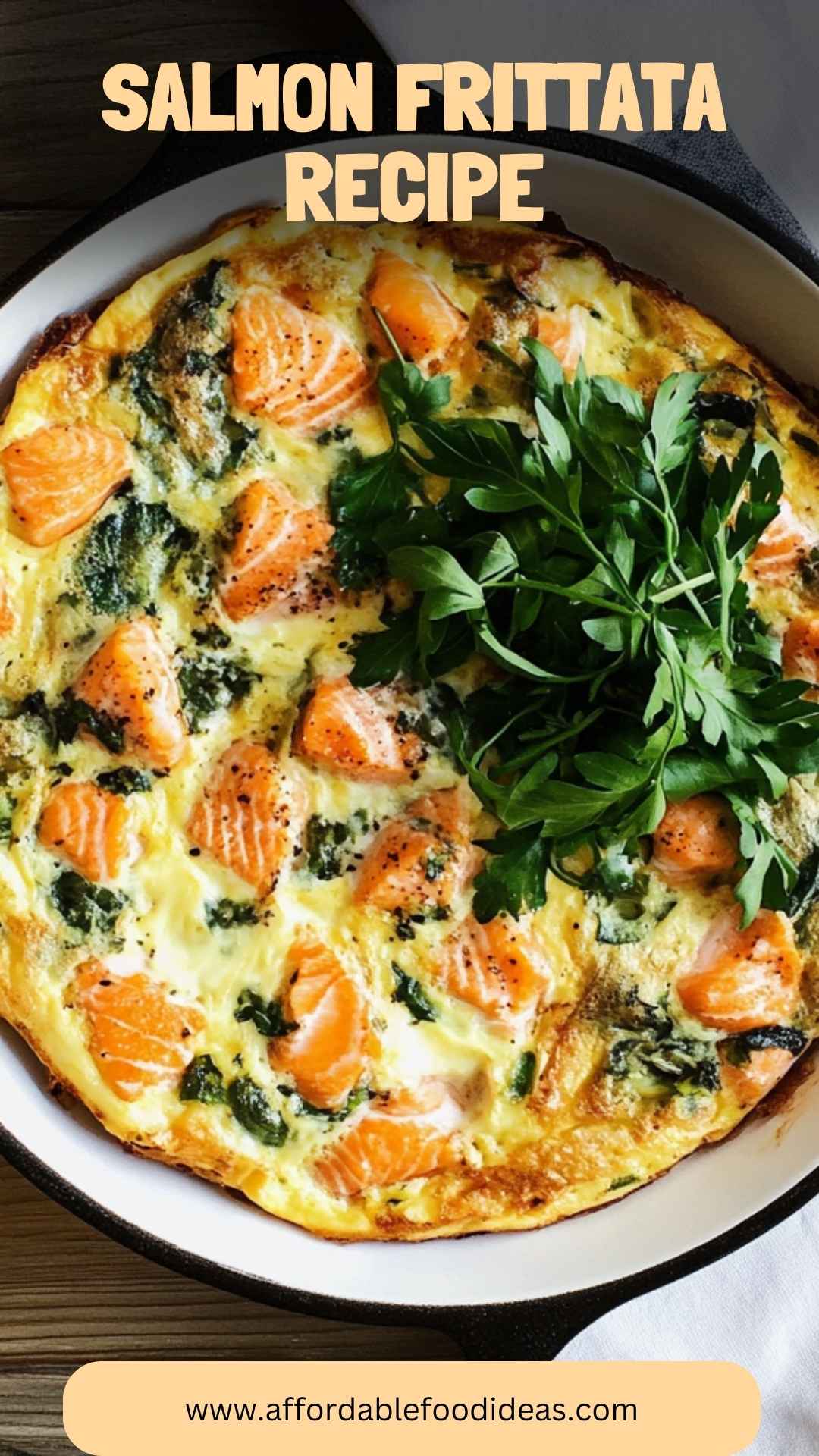
Salmon Frittata Recipe – Affordable Food Ideas
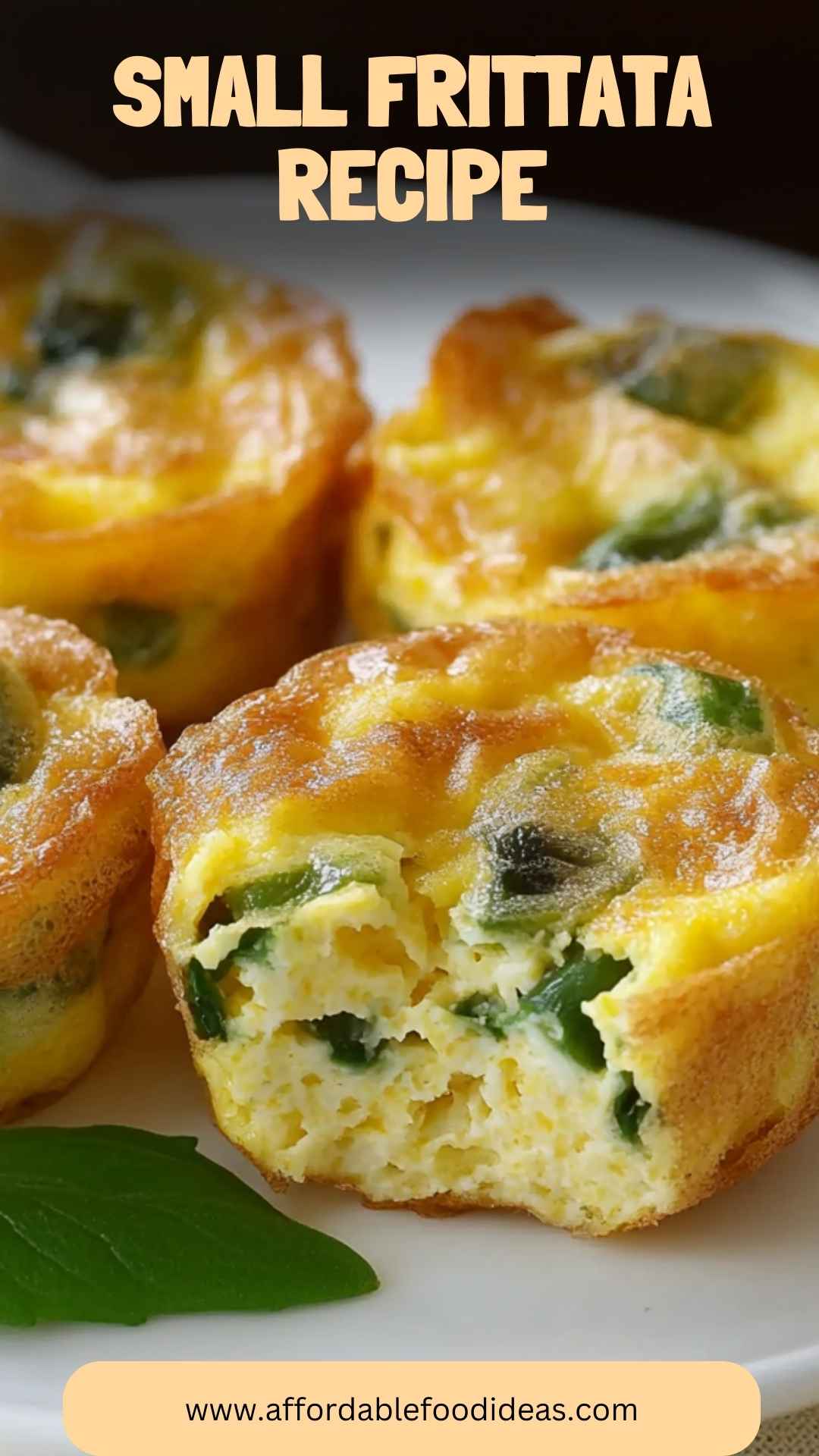
Small Frittata Recipe – Affordable Food Ideas
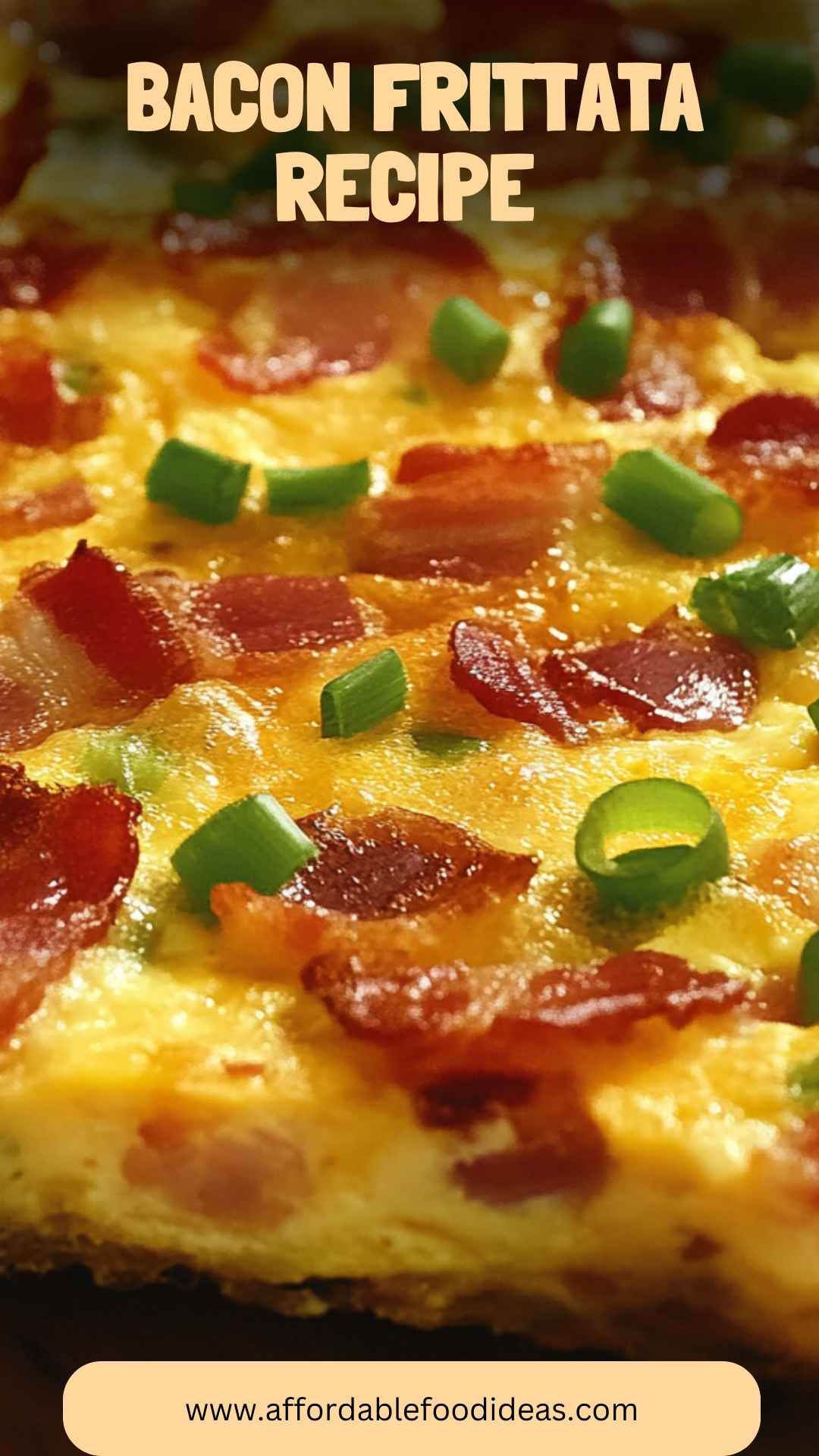
Bacon Frittata Recipe – Affordable Food Ideas
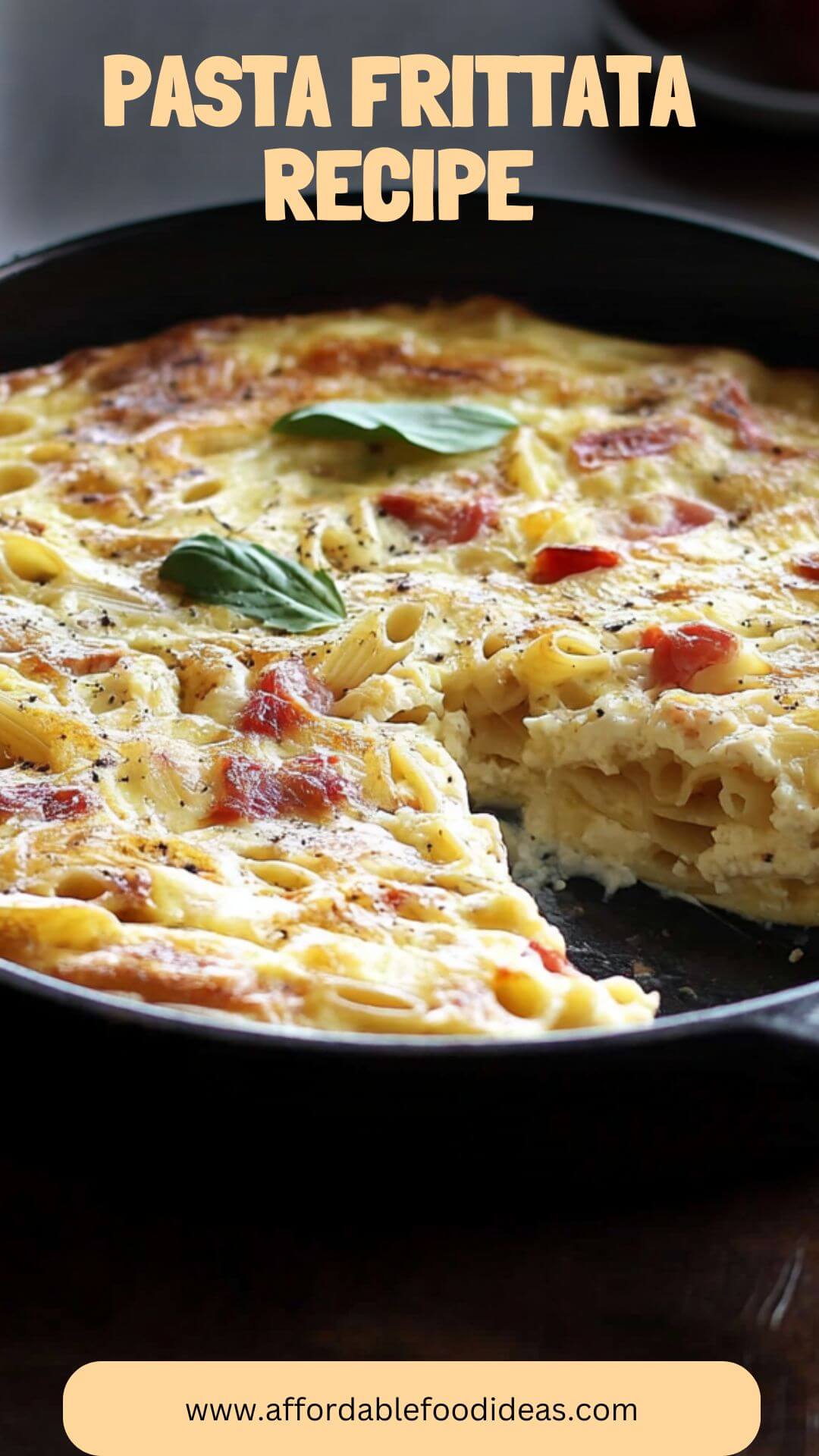
Pasta Frittata Recipe – Affordable Food Ideas
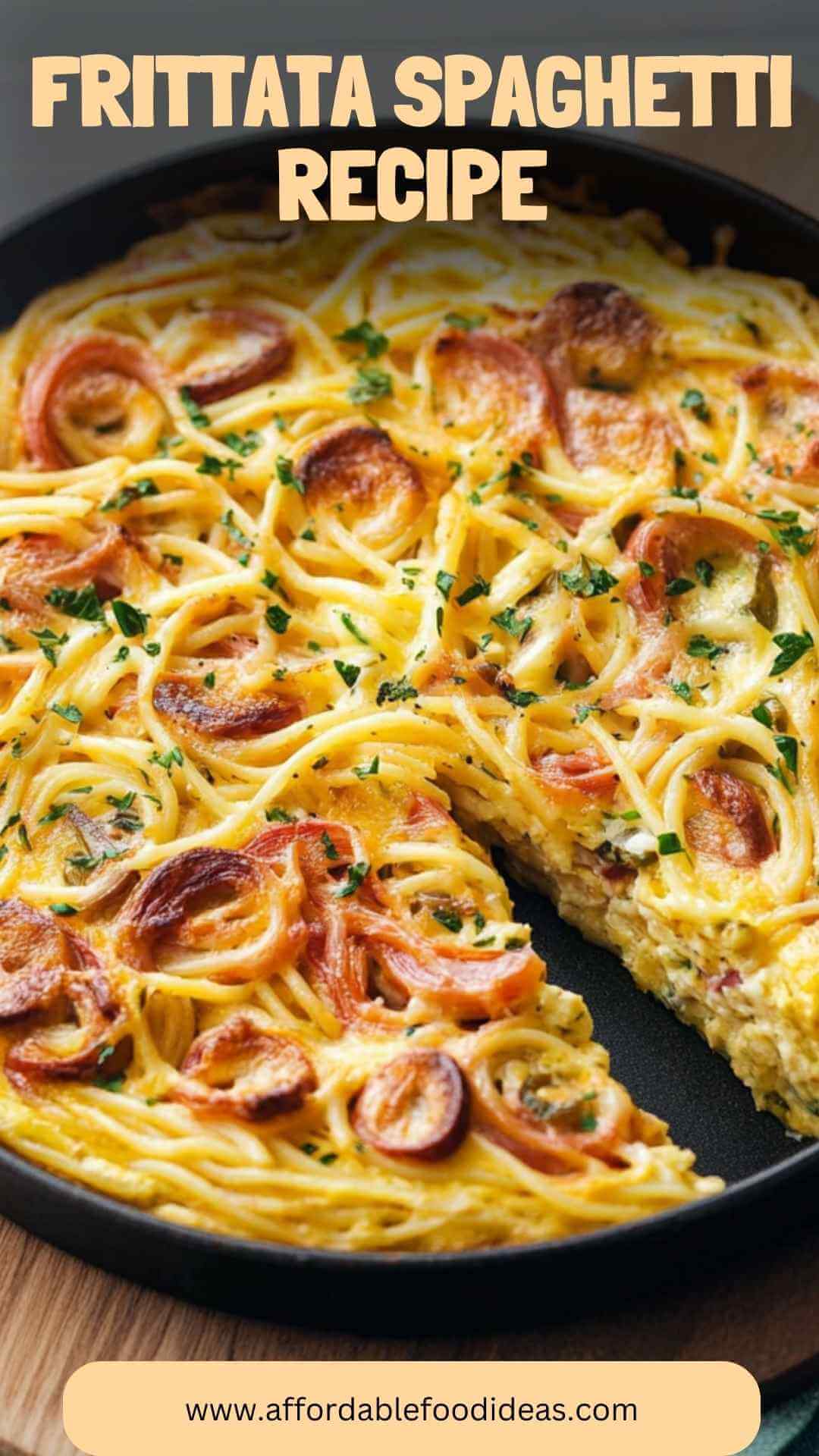
Frittata Spaghetti Recipe – Affordable Food Ideas
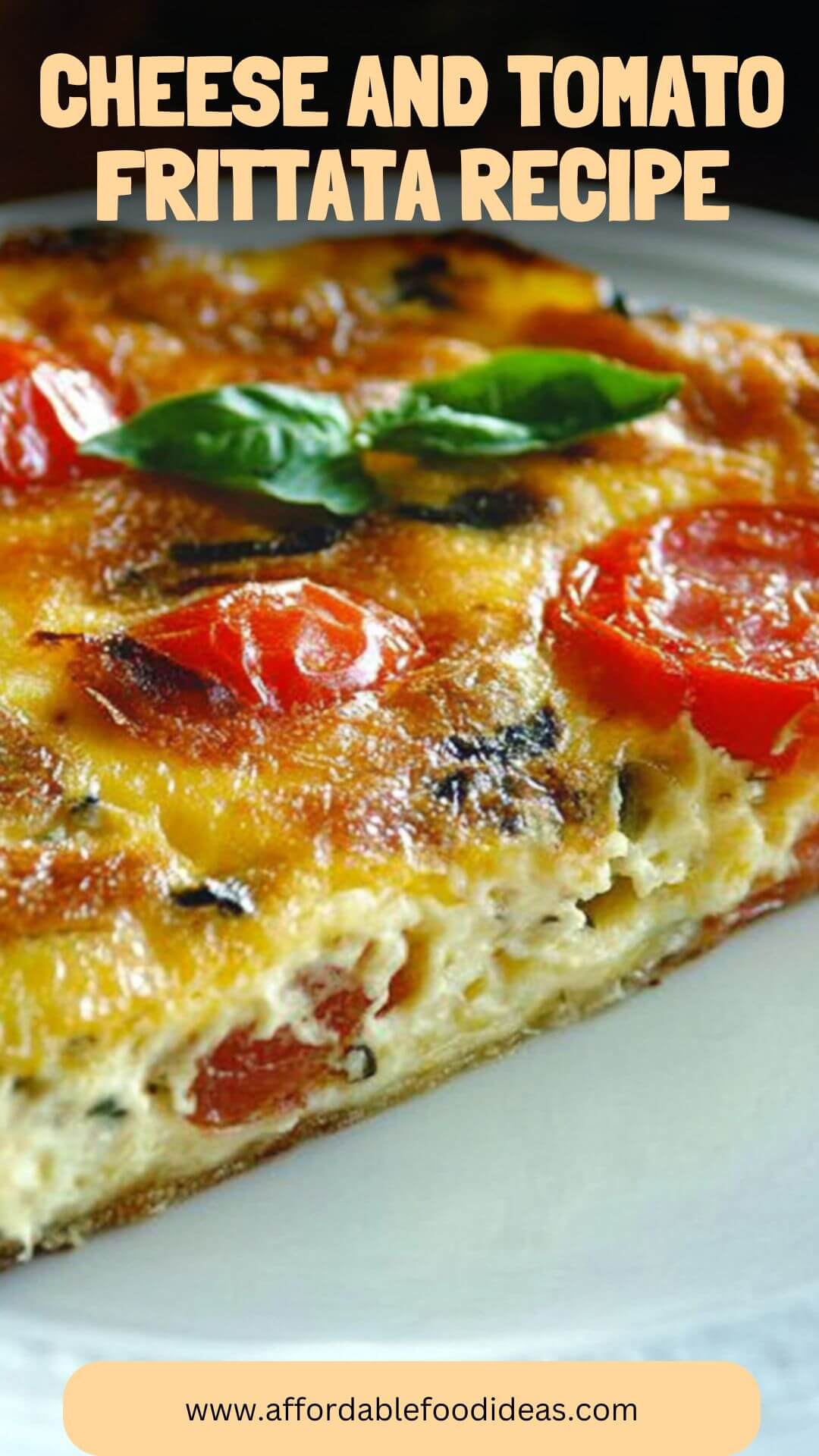
Cheese and Tomato Frittata Recipe – Affordable Food Ideas

Mini Frittata Recipe – Affordable Food Ideas

Giada Frittata Recipe – Affordable Food Ideas
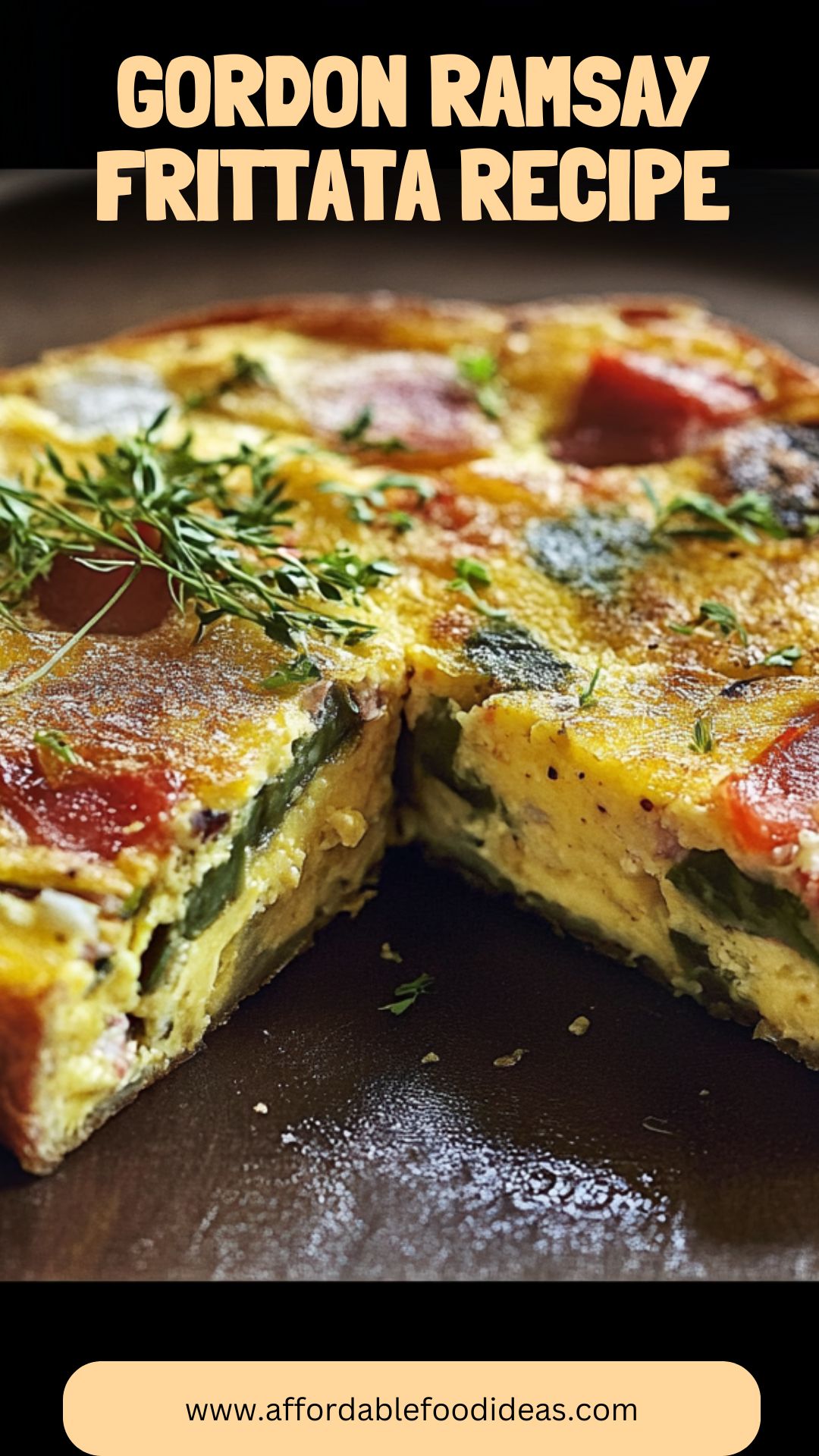
Gordon Ramsay Frittata Recipe -Affordable Food Ideas

First Watch Frittata Rustica Recipe – Affordable Food Ideas
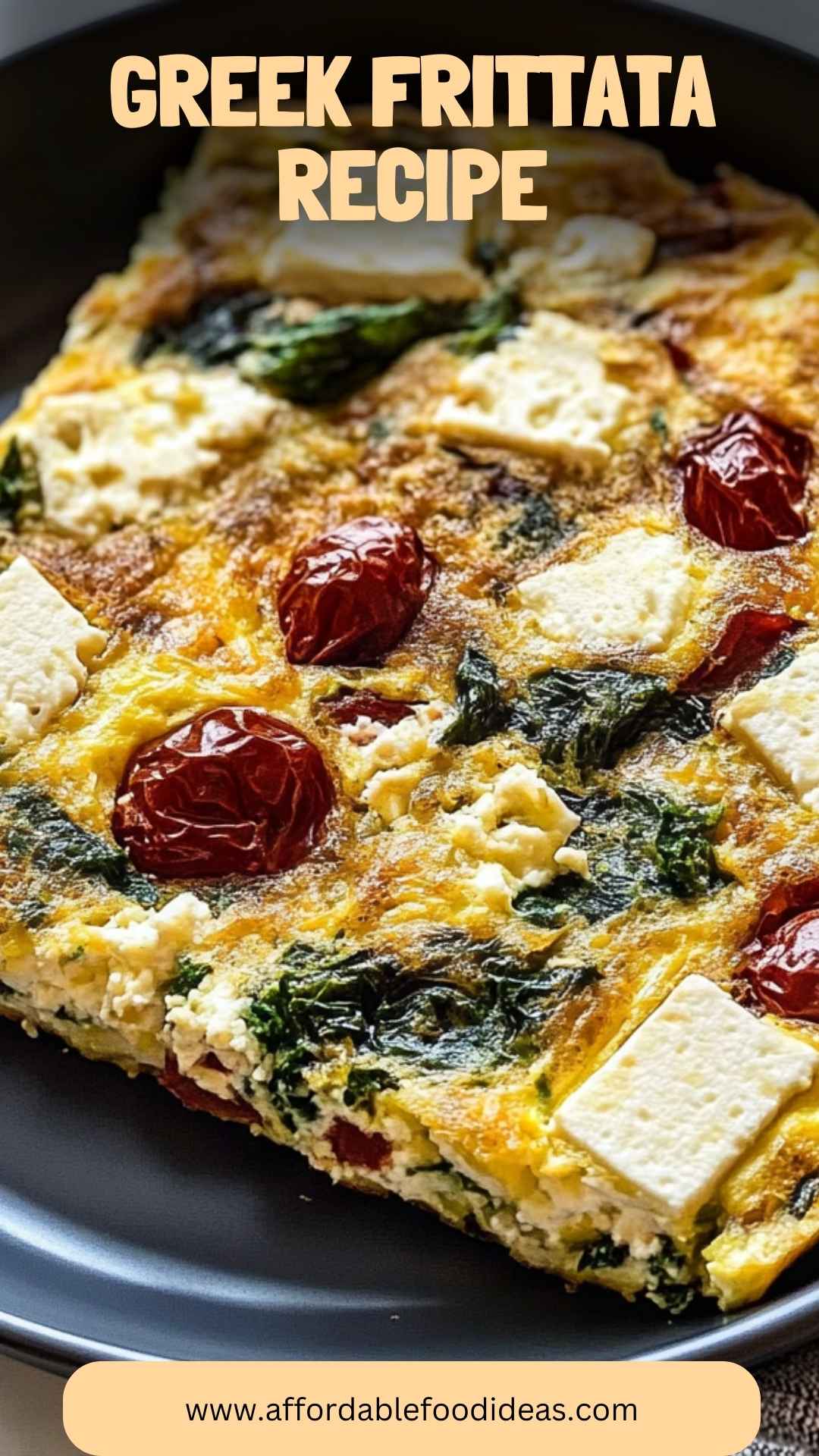
Greek Frittata Recipe – Affordable Food Ideas
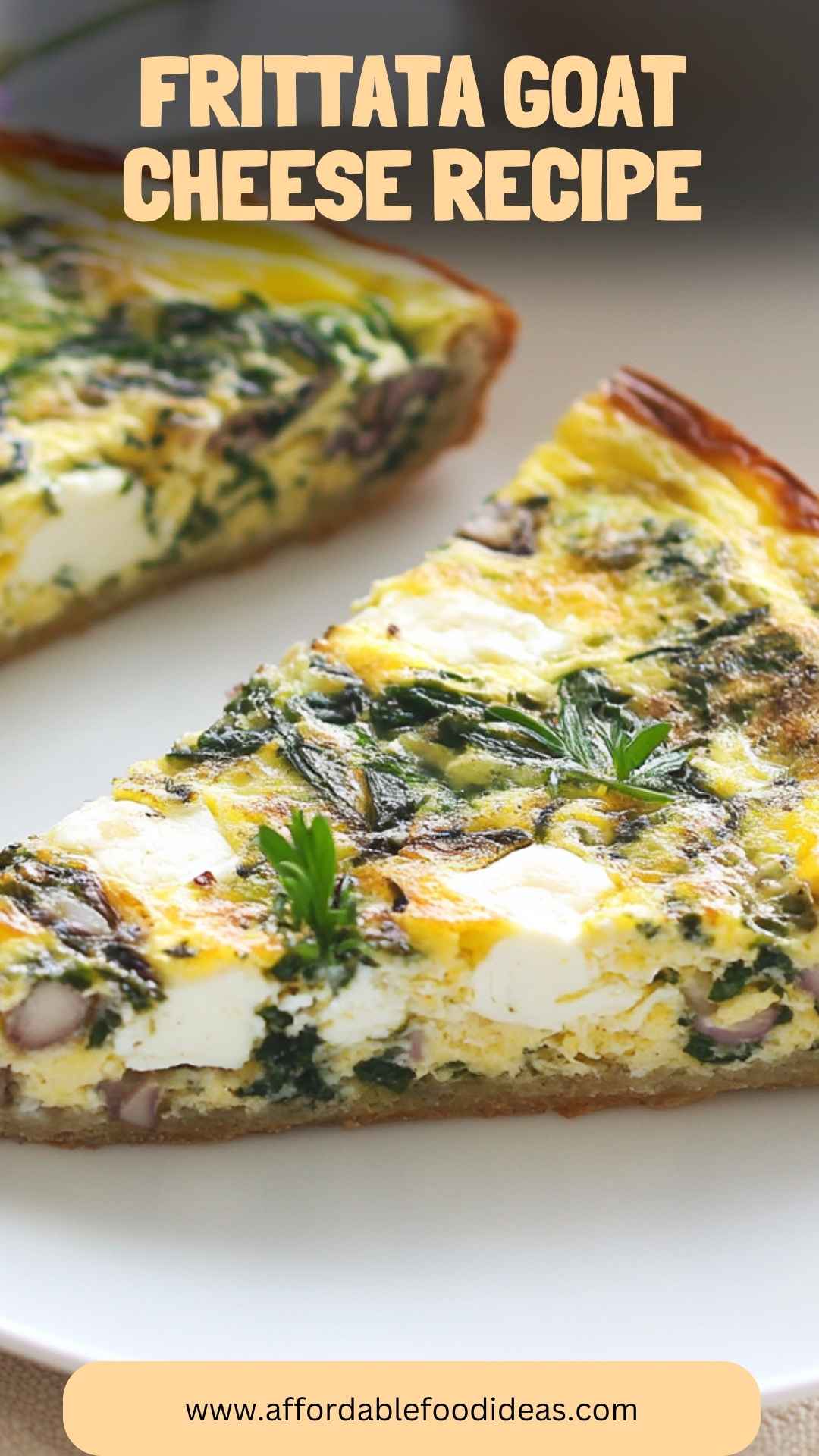
Frittata Goat Cheese Recipe – Affordable Food Ideas
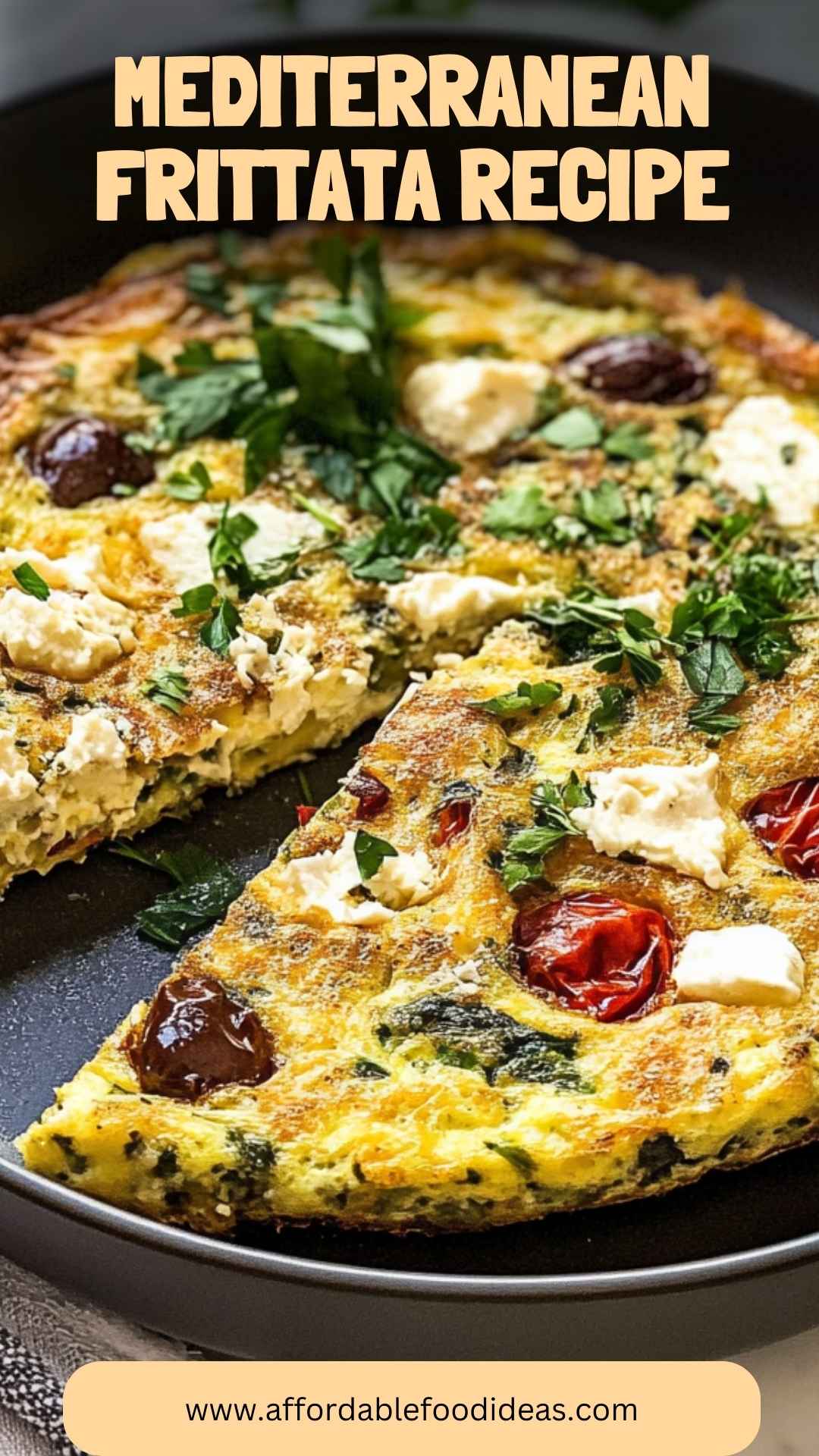
Mediterranean Frittata Recipe – Affordable Food Ideas
Frittata Tips
Start on the stovetop, finish in the oven. A proper frittata starts in an oven-safe skillet over medium heat, then goes to a 375°F oven for 10–15 minutes to set and develop a golden top.
Don’t overcook. Pull the frittata when it’s just barely set in the center — it continues cooking on the hot pan. Overcooked frittata is dry and rubbery.
Use an oven-safe 8–10 inch skillet. Cast iron is ideal. Non-stick works too. Avoid plastic handles — they can’t go in the oven.
Sauté vegetables first. Remove excess moisture from watery vegetables (mushrooms, zucchini, spinach) before adding eggs. Wet vegetables prevent the frittata from setting properly.
Rest before slicing. 5 minutes of resting after cooking makes slicing cleaner and allows the eggs to fully set.
Frittata FAQs
What’s the difference between a frittata and a quiche?
A quiche has a pastry crust and uses heavy cream-based custard. A frittata is crustless, uses whole eggs with just a splash of cream, and is denser and quicker to make.
Can I make frittata ahead?
Yes — frittatas reheat beautifully and taste great at room temperature. Store covered in the fridge up to 4 days and reheat slices at 300°F or microwave in 30-second intervals.
Can I use any vegetables?
Almost any vegetable works, but always sauté watery ones (zucchini, mushrooms, spinach) first to remove moisture — otherwise the frittata won’t set properly.
How many eggs do I need?
For an 8-inch skillet (serves 4), use 8 eggs. For a 10-inch skillet (serves 6), use 10–12 eggs. Add 2 tablespoons of milk or cream per egg for a more tender texture.
April Cherry has made frittatas for weekday breakfasts, impressive brunches, and everything in between. Once you find your favorite filling combination, it becomes one of those recipes you make without thinking.