

Whenever I find myself in a culinary bind, I can always count on Aglio Spaghetti to save the day. Picture this: It’s a Friday evening, and you’ve had a long week. Your friends are coming over, and you want something that’s impressive yet uncomplicated.
This spaghetti dish pairs wonderfully with a fresh side salad and crusty bread, making it a complete and satisfying meal. Trust me, your guests will be raving about this fragrant dish while they dive into a glass of red wine.
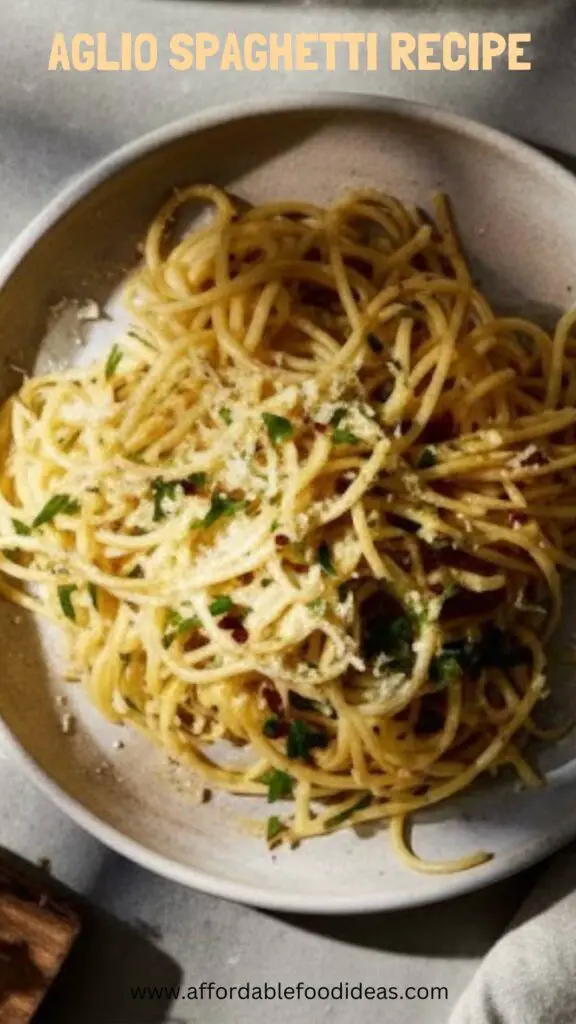
Aglio Spaghetti is an Italian dish that showcases simplicity at its finest. It lets the core ingredients take center stage, proving that sometimes less is truly more in the kitchen. Using just a handful of items you likely already have in your pantry, you can whip up a dish that’s both comforting and delicious.
You Might Like These Recipes!
How To Roast Spaghetti Squash Quickly Recipe
What is Aglio Spaghetti Recipe?
At its heart, Aglio Spaghetti features spaghetti noodles tossed in a luscious olive oil and garlic sauce. This dish is traditionally simple, but each ingredient plays a vital role in crafting its characteristic flavors. Whether you’re new to cooking or consider yourself a seasoned chef, this recipe provides a delightful experience filled with lush flavors and comforting aromas.
Why This Recipe Works?
The magic of Aglio Spaghetti lies in the harmonious fusion of garlic and olive oil. Garlic, when cooked gently, transforms from pungent to sweet, while olive oil serves as the perfect base, providing rich body and texture. The addition of fresh herbs, a touch of red pepper flakes, and cheese creates a layered flavor profile that climaxes in every bite. Together, these elements create a dish that’s elegant enough for special occasions but quick enough for weeknight dinners.
What You’ll Need to Make This Dish?
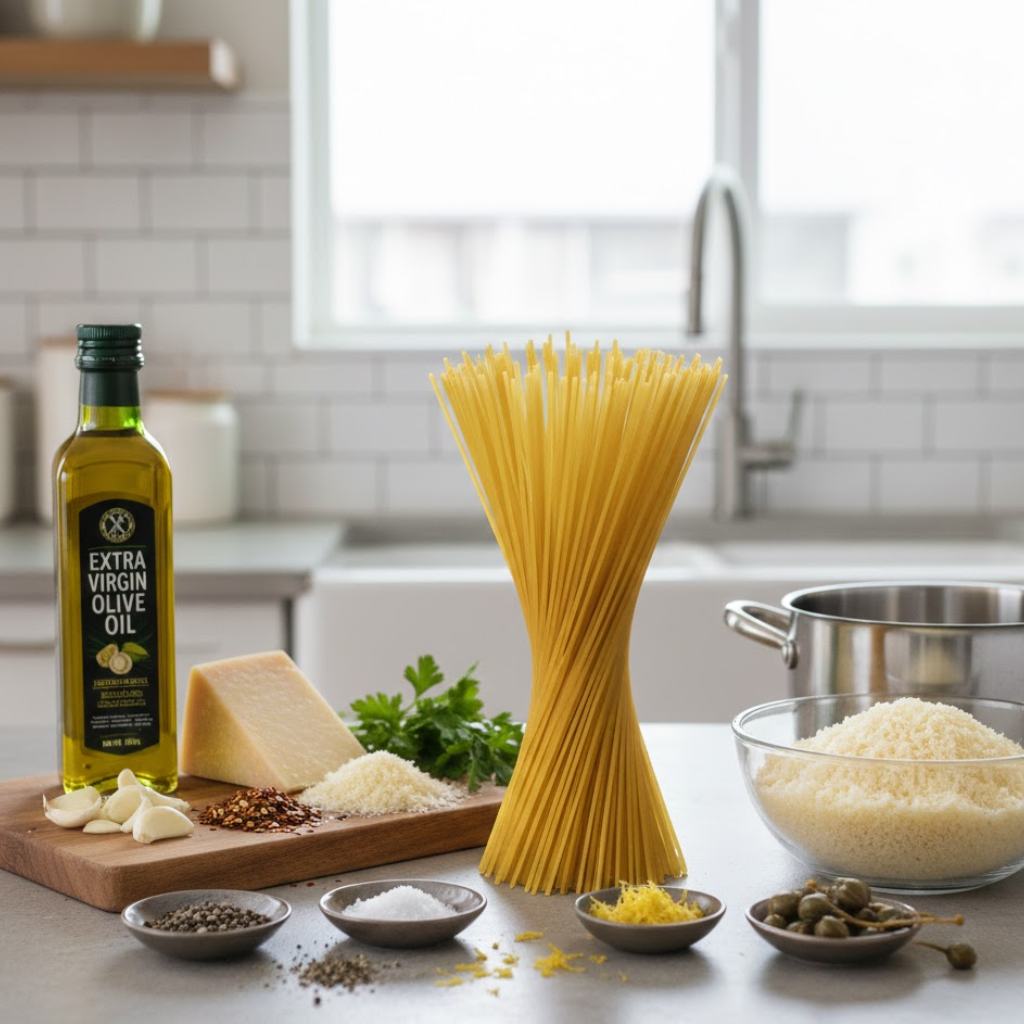
Here’s what you’ll gather to create this delightful dish:
– 1 pound uncooked spaghetti
– ½ cup extra virgin olive oil
– 6 cloves garlic, thinly sliced
– ¼ teaspoon crushed red chili flakes (adjust to your taste)
– Salt and freshly cracked black pepper, to taste
– ¼ cup freshly chopped Italian parsley
– 1 cup finely grated Parmigiano-Reggiano cheese
– Optional: Zest of 1 lemon (for a refreshing twist)
– Optional: 1 tablespoon capers, rinsed and drained (adds a briny kick)
Ingredients From : allrecipes.com/recipe
How to Make Aglio Spaghetti Recipe?
Making Aglio Spaghetti is as easy as pie! Here’s a brief overview of the steps involved before diving into the directions.
Step-by-Step Directions
Step 1: Gather the Ingredients
First things first, it’s time to round up all your ingredients. A little organization goes a long way in cooking, so have everything prepped and ready.
Step 2: Boil the Spaghetti
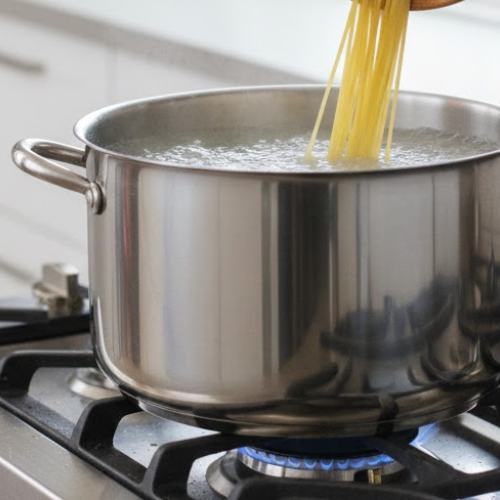
Fill a large pot with water, sprinkling in a generous amount of salt. Bring that water to a rolling boil. Once boiling, add in the spaghetti and stir occasionally. Cook for about 10 to 12 minutes until it’s al dente, which simply means it should be firm to the bite. After that, drain the spaghetti, but don’t rinse! The starchiness helps the sauce cling beautifully to the noodles.
Step 3: Sauté the Garlic
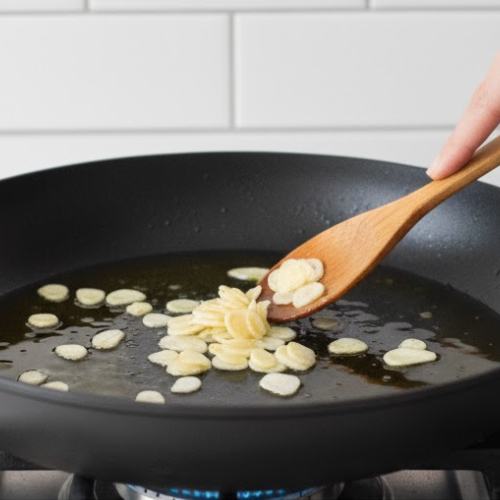
While your pasta is cooking, grab your skillet and add the olive oil and sliced garlic. Place it over medium heat. Slowly cooking the garlic allows it to infuse the oil with flavor. Stir occasionally, and keep an eye on it so it becomes a lovely golden color but not burnt. This takes about 10 minutes. If you notice it bubbling too aggressively, reduce the heat to medium-low.
Step 4: Create the Sauce
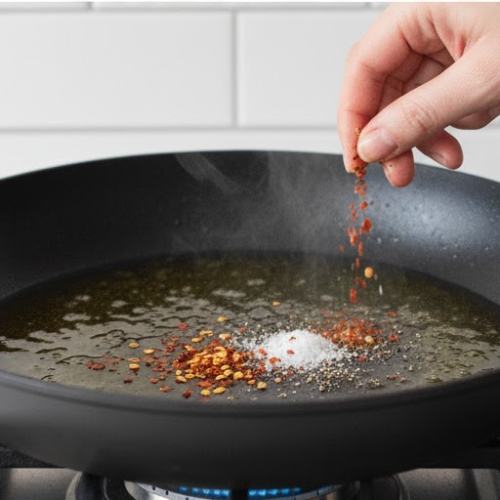
Once your garlic has turned golden, lower the heat and add in the crushed red pepper flakes along with a sprinkle of salt and black pepper—this is where the flavor amps up! Let it mix delightfully for just a minute.
Step 5: Combine Pasta and Sauce
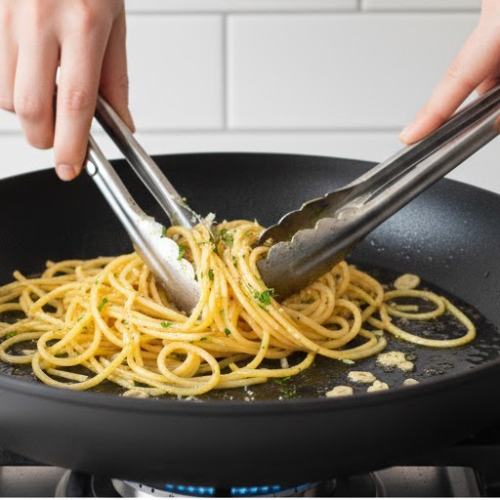
Now it’s time to bring everything together. Toss your drained spaghetti into the skillet with the garlic oil. Ensure you mix it thoroughly to coat each strand. Add in the chopped parsley and half of your Parmigiano-Reggiano cheese. This moment is pure bliss—tossing everything smoothly until it’s well blended.
Step 6: Serve and Garnish
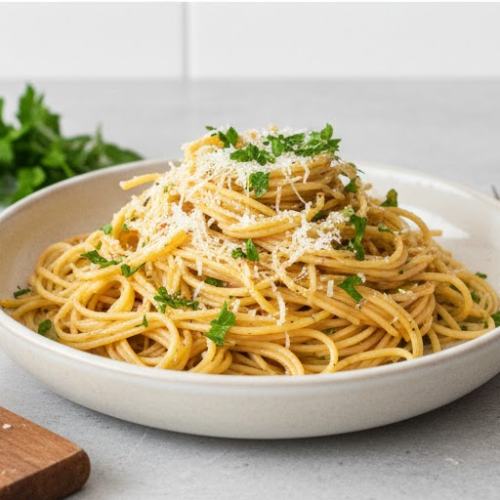
Transfer the Aglio Spaghetti to a serving bowl. Top it with the remaining cheese and a sprinkle of parsley for garnish. Perhaps even a drizzle of olive oil if you’re feeling fancy. Dive in immediately while it’s warm and lovely!
Tips
– Cook Pasta Perfectly: Use a large pot and plenty of water—this prevents the spaghetti from sticking together.
– Don’t Rush the Garlic: Slow cooking it makes all the difference in flavor. If you burn it, the dish will have a bitter edge and be far from enjoyable.
– Adjust Spice Levels: The red pepper flakes can be easily modified. Start with less if you’re uncertain; you can always add more!
– Garnish Creatively: Fresh herbs can vary your dish. Basil, oregano, or even thyme can offer unique flavor twists.
– Quality Ingredients Matter: Use the best olive oil and cheese you can find; they elevate your dish well beyond the sum of its parts.
How to Store Leftovers?
Leftover Aglio Spaghetti can be stored in an airtight container in the refrigerator for up to 3 days. To reheat, simply toss it back into a skillet with a splash of olive oil and warm it over medium heat. You can also add a little more fresh parsley or cheese for that just-made touch.
How Would I Recommend Serving Aglio Spaghetti Recipe?
1. With Grilled or Roasted Vegetables: Bell peppers, zucchini, or asparagus pair wonderfully and add color.
2. Alongside a Garden Salad: A fresh salad dressed with balsamic vinaigrette complements the dish nicely.
3. On the Side of Grilled Chicken or Fish: Lightly seasoned proteins balance the flavors and add heartiness to your meal.
4. Accompanied by Crusty Bread: Serve with a loaf of fresh garlic bread or a baguette to soak up that delicious oil.
5. Topped with Sautéed Shrimp: Adding shrimp brings a delightful seafood twist that elevates the dish.
What Alternatives Can You Use for the Ingredients if Not Available?
1. Spaghetti:Pasta of your choice: Penne, linguine, or gluten-free varieties can work just fine.
2. Olive Oil:Avocado oil or melted butter: Both can provide different flavor profiles while maintaining richness.
3. Garlic:Shallots or garlic powder: You can substitute, but the flavor will vary; aim for fresh garlic for optimal taste.
4. Italian Parsley:Basil or cilantro: For a twist in flavor, these can brighten the dish with freshness.
5. Parmigiano-Reggiano:Grated Pecorino Romano or nutritional yeast: Both options can deliver a cheesy finish to plant-based versions.
Conclusion
Aglio Spaghetti is not just a dish; it’s a celebration of flavors. With just a few basic ingredients and a bit of attention, you can create an unforgettable meal that doesn’t take hours to prepare. Whether it’s for a quick weeknight dinner or a gathering with friends, this spaghetti recipe will surely become a favorite. So why wait?
Gather those ingredients and whip up a plate of Aglio Spaghetti—you won’t regret it! Enjoy every bite with that smile on your face; after all, good food is meant to be shared.
You Might Also Like These Latest Recipes!
Aglio Spaghetti Recipe – Affordable Food Ideas
Aglio Spaghetti is an Italian dish that showcases simplicity at its finest. It lets the core ingredients take center stage, proving that sometimes less is truly more in the kitchen. Using just a handful of items you likely already have in your pantry, you can whip up a dish that's both comforting and delicious.
Ingredient
- Optional: Zest of 1 lemon (for a refreshing twist)
- Optional: 1 tablespoon capers, rinsed and drained (adds a briny kick)
Instructions
Step 1: Gather the Ingredients
-
First things first, it’s time to round up all your ingredients. A little organization goes a long way in cooking, so have everything prepped and ready.
Step 2: Boil the Spaghetti
-
Fill a large pot with water, sprinkling in a generous amount of salt. Bring that water to a rolling boil. Once boiling, add in the spaghetti and stir occasionally. Cook for about 10 to 12 minutes until it's al dente, which simply means it should be firm to the bite. After that, drain the spaghetti, but don’t rinse! The starchiness helps the sauce cling beautifully to the noodles.
Step 3: Sauté the Garlic
-
While your pasta is cooking, grab your skillet and add the olive oil and sliced garlic. Place it over medium heat. Slowly cooking the garlic allows it to infuse the oil with flavor. Stir occasionally, and keep an eye on it so it becomes a lovely golden color but not burnt. This takes about 10 minutes. If you notice it bubbling too aggressively, reduce the heat to medium-low.
Step 4: Create the Sauce
-
Once your garlic has turned golden, lower the heat and add in the crushed red pepper flakes along with a sprinkle of salt and black pepper—this is where the flavor amps up! Let it mix delightfully for just a minute.
Step 5: Combine Pasta and Sauce
-
Now it’s time to bring everything together. Toss your drained spaghetti into the skillet with the garlic oil. Ensure you mix it thoroughly to coat each strand. Add in the chopped parsley and half of your Parmigiano-Reggiano cheese. This moment is pure bliss—tossing everything smoothly until it’s well blended.
Step 6: Serve and Garnish
-
Transfer the Aglio Spaghetti to a serving bowl. Top it with the remaining cheese and a sprinkle of parsley for garnish. Perhaps even a drizzle of olive oil if you’re feeling fancy. Dive in immediately while it’s warm and lovely!
Nutrition Facts
Servings 4
- Amount Per Serving
- Calories 550kcal
- % Daily Value *
- Total Fat 35g54%
- Total Carbohydrate 87g29%
- Protein 23g46%
* Percent Daily Values are based on a 2,000 calorie diet. Your daily value may be higher or lower depending on your calorie needs.
Note
- Cook Pasta Perfectly: Use a large pot and plenty of water—this prevents the spaghetti from sticking together.
- Don’t Rush the Garlic: Slow cooking it makes all the difference in flavor. If you burn it, the dish will have a bitter edge and be far from enjoyable.
- Adjust Spice Levels: The red pepper flakes can be easily modified. Start with less if you're uncertain; you can always add more!
- Garnish Creatively: Fresh herbs can vary your dish. Basil, oregano, or even thyme can offer unique flavor twists.
- Quality Ingredients Matter: Use the best olive oil and cheese you can find; they elevate your dish well beyond the sum of its parts.