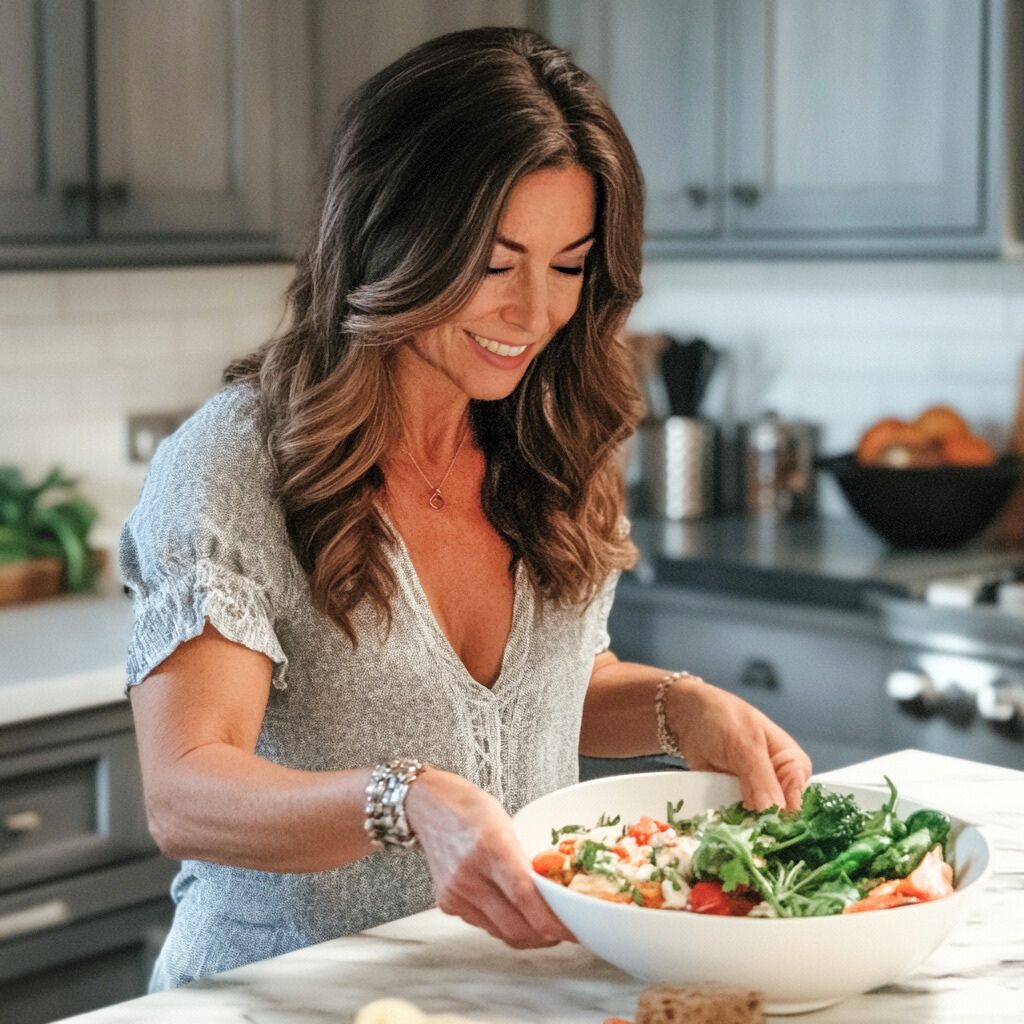

Picture a warm summer evening. The grill is sizzling with juicy chicken, and on the table, a colorful salad is waiting for its crown. What’s that finishing touch? Yes! A drizzle of balsamic glaze. It’s that magic ingredient that transforms your dishes from simple to sensational.
I’ve poured this luscious glaze over everything from fresh greens to roasted vegetables and even grilled fruit. Its sweet-tangy flavor elevates any meal, and the best part? You can whip it up in no time.
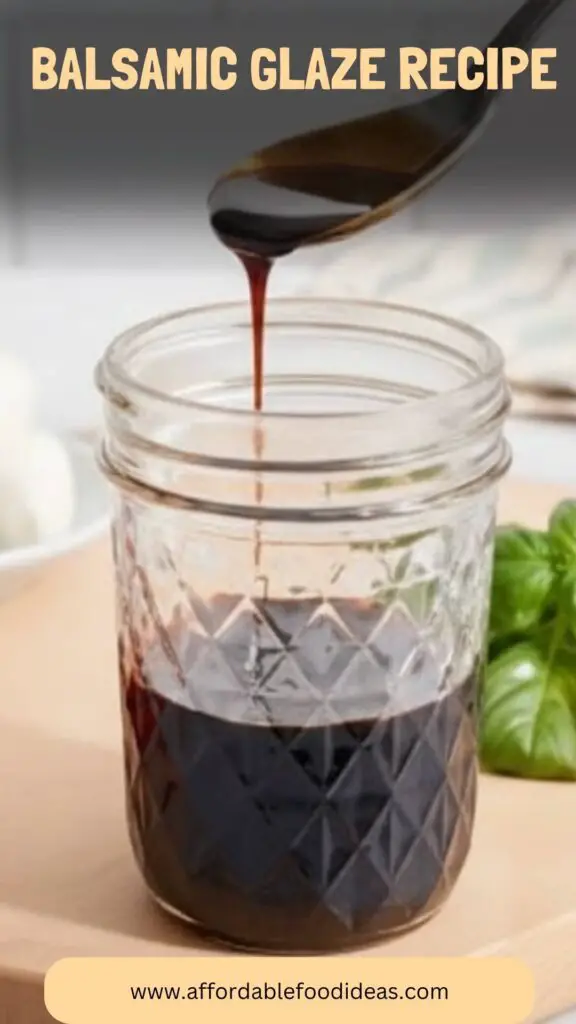
Balsamic glaze, a sweet and tangy reduction of balsamic vinegar and sugar, is a must-have in your culinary repertoire. This versatile condiment can enhance the flavor of salads, meats, and even desserts. In this post, I’ll share my go-to recipe for a homemade balsamic glaze that’s not only easy to make but also packs a punch of flavor that outshines any store-bought version.
You Might Like These Recipes!
3 Ingredient Tahini Sauce Recipe
The Best Gluten-Free Pizza Crust Sauce Recipe
How I Have Used the Ingredients in This Recipe?
The beauty of this balsamic glaze recipe lies in its simplicity. With just a couple of ingredients and minimal effort, you can create a sauce that adds depth to various dishes. Balsamic vinegar brings that distinctive acidity and sweetness, while brown sugar balances it out with a rich caramel flavor. I like to add a hint of garlic powder and a pinch of black pepper for an extra layer of flavor. It’s amazing what a few humble ingredients can accomplish!
The Ingredients
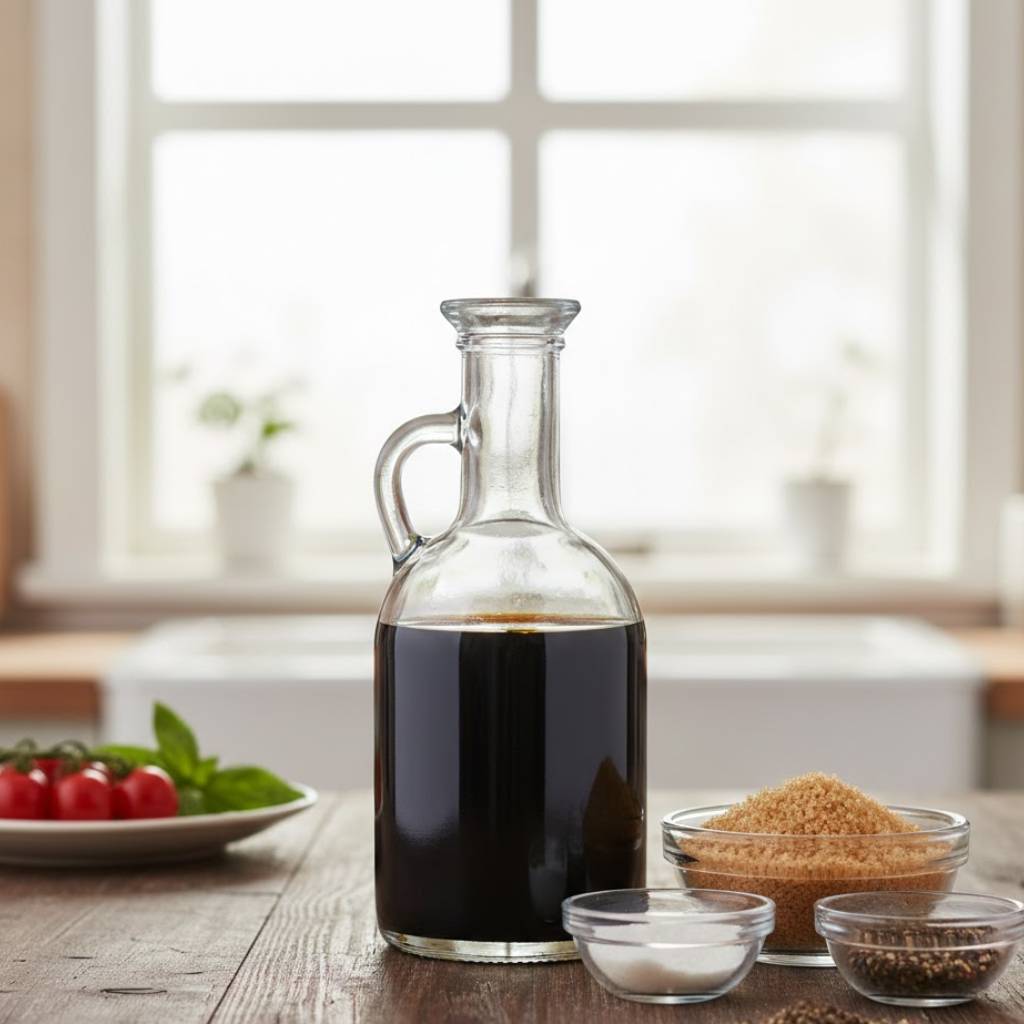
Here’s what you’ll need to create your own balsamic glaze:
– 2 cups balsamic vinegar
– ½ cup brown sugar
– 1 teaspoon garlic powder (adds a subtle flavor kick)
– A pinch of freshly cracked black pepper (for depth)
Ingredients From : allrecipes.com
How to Make Balsamic Glaze Recipe?
Creating balsamic glaze is straightforward and rewarding. Follow these easy steps, and you’ll have a homemade sauce that can elevate humble dishes into culinary masterpieces.
Step 1: Gather Your Ingredients
Get ready! Start by measuring out the balsamic vinegar, brown sugar, garlic powder, and black pepper. Having everything on hand will make the process much smoother.
Step 2: Combine Ingredients
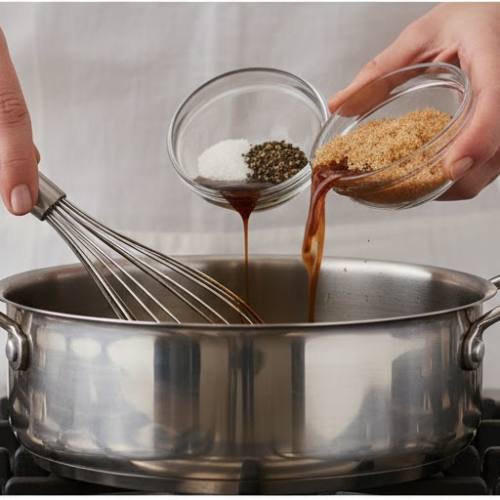
In a medium saucepan, pour in the balsamic vinegar first. Next, add the brown sugar, garlic powder, and a pinch of black pepper. Stir the mixture well to ensure that the sugar and spices are evenly distributed.
Step 3: Heat the Mixture
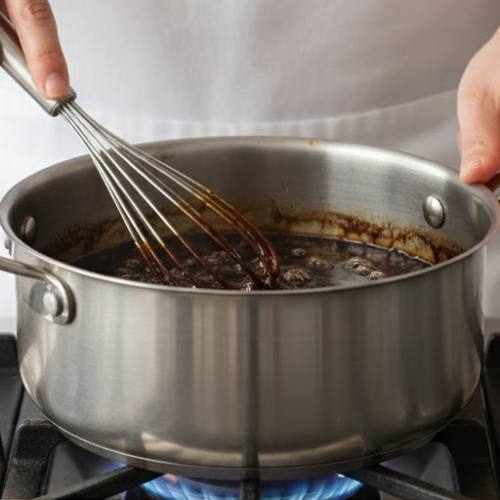
Place the saucepan over medium heat. As the mixture heats, stir it constantly. You want to make sure the sugar fully dissolves. Once it reaches a gentle boil, you’ll see little bubbles starting to form.
Step 4: Reduce the Heat
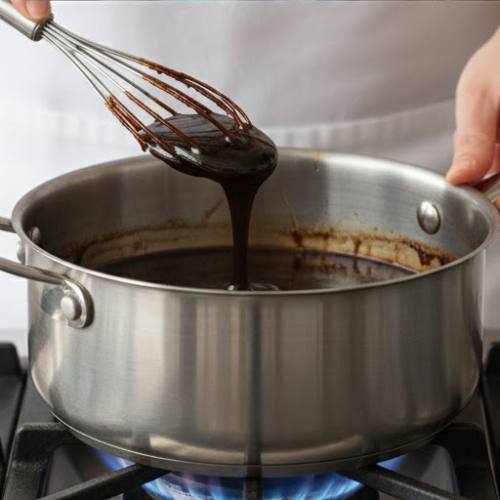
Once boiling, it’s time to lower the heat. Reduce the stovetop to low. Allow the sauce to simmer gently. This is where the magic happens! Keep an eye on it and give it a stir occasionally. You’ll want to simmer until the mixture reduces by half and can coat the back of a spoon—a process that generally takes around 20 minutes.
Step 5: Cool Down
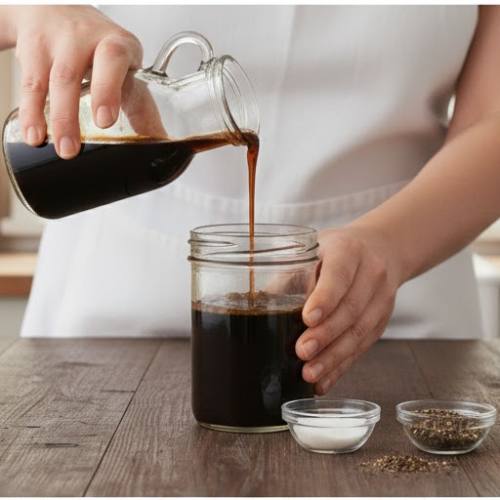
After 20 minutes, remove the saucepan from heat. Be cautious: this glaze can be hot! Allow it to cool down before transferring it to a jar. The glaze will thicken further as it cools.
Step 6: Store It
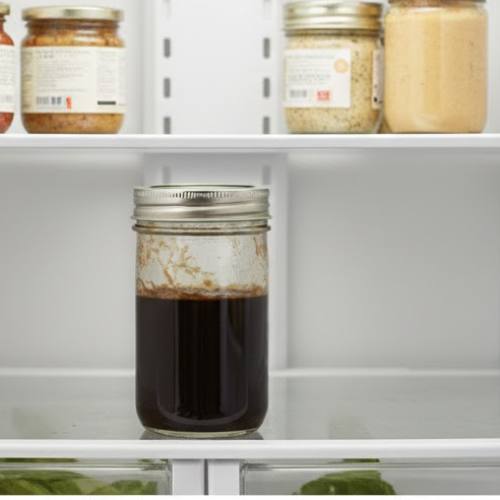
Once cooled, pour the balsamic glaze into a jar with a tight-fitting lid. Seal it up and store it in the refrigerator where it can last for several weeks.
Recipe Notes
– Adjust Sweetness: Feel free to add more brown sugar if you prefer a sweeter glaze.
– Flavor Variations: Experiment with adding herbs like thyme or rosemary for an herbal twist.
– Watch Closely: As the glaze cooks, keep an eye on it to prevent burning.
– Thickening: If it becomes too thick when cooling, simply stir in a bit of warm water until you reach your desired consistency.
– Serving Suggestion: This glaze is delightful when drizzled over fresh mozzarella and basil for a simple Caprese salad.
Storage Tips
Store your homemade balsamic glaze in an airtight container in the refrigerator. It should last up to a month. If you notice it becoming too thick, just add a little warm water to thin it out before using again. The flavors won’t be as vibrant after extended storage, so use it sooner rather than later for the best taste.
Serving Suggestions
Here are some delightful ways to use your balsamic glaze:
– Drizzle over salads: Elevate your greens by adding a splash of glaze atop mixed greens, tomatoes, and feta.
– Glaze grilled meats: Brush the glaze on grilled chicken, steak, or pork loin in the final few minutes of cooking for added flavor.
– Enhance roasted vegetables: Toss your favorite veggies like Brussels sprouts or carrots with the glaze before roasting for a sweet finish.
– Pair with cheese: Create a stunning cheese platter—drizzle over fresh mozzarella or goat cheese for a touch of sophistication.
– Top off desserts: Try your glaze over fresh strawberries or vanilla ice cream for a surprising dessert twist!
What Other Substitute Can I Use in Balsamic Glaze Recipe?
If you find yourself without balsamic vinegar or brown sugar, here are some alternatives to consider:
– Red wine vinegar: This is a superb substitute, but be aware it’s tangier, so you might want to adjust the sweetness.
– Honey: This can replace brown sugar for a different but delightful sweetness; use less than the amount called for since honey is sweeter.
– Maple syrup: Offers a rich flavor; use it in equal proportions to brown sugar.
– Coconut sugar: This can be used to maintain a similar sweetness profile while being a bit healthier.
– Apple cider vinegar: Has a different flavor profile but can work well; sweeten to taste.
Conclusion
Homemade balsamic glaze is a fantastic addition to your kitchen creations. It’s quick, easy, and you can control the ingredients to suit your tastes. With its versatility, this glaze can enhance a variety of dishes, whether savory or sweet. So why not take a few moments to make your own? You’ll wonder how you ever lived without it. Enjoy the deliciousness it brings to your meals!
You Might Also Like These Latest Recipes!
Balsamic Glaze Recipe – Affordable Food Ideas
Balsamic glaze, a sweet and tangy reduction of balsamic vinegar and sugar, is a must-have in your culinary repertoire. This versatile condiment can enhance the flavor of salads, meats, and even desserts. In this post, I’ll share my go-to recipe for a homemade balsamic glaze that’s not only easy to make but also packs a punch of flavor that outshines any store-bought version.
Ingredient
Instructions
Step 1: Gather Your Ingredients
-
Get ready! Start by measuring out the balsamic vinegar, brown sugar, garlic powder, and black pepper. Having everything on hand will make the process much smoother.
Step 2: Combine Ingredients
-
In a medium saucepan, pour in the balsamic vinegar first. Next, add the brown sugar, garlic powder, and a pinch of black pepper. Stir the mixture well to ensure that the sugar and spices are evenly distributed.
Step 3: Heat the Mixture
-
Place the saucepan over medium heat. As the mixture heats, stir it constantly. You want to make sure the sugar fully dissolves. Once it reaches a gentle boil, you'll see little bubbles starting to form.
Step 4: Reduce the Heat
-
Once boiling, it's time to lower the heat. Reduce the stovetop to low. Allow the sauce to simmer gently. This is where the magic happens! Keep an eye on it and give it a stir occasionally. You’ll want to simmer until the mixture reduces by half and can coat the back of a spoon—a process that generally takes around 20 minutes.
Step 5: Cool Down
-
After 20 minutes, remove the saucepan from heat. Be cautious: this glaze can be hot! Allow it to cool down before transferring it to a jar. The glaze will thicken further as it cools.
Step 6: Store It
-
Once cooled, pour the balsamic glaze into a jar with a tight-fitting lid. Seal it up and store it in the refrigerator where it can last for several weeks.
Nutrition Facts
Servings 1
- Amount Per Serving
- Calories 50kcal
- % Daily Value *
- Total Carbohydrate 18g6%
* Percent Daily Values are based on a 2,000 calorie diet. Your daily value may be higher or lower depending on your calorie needs.
Note
- Adjust Sweetness: Feel free to add more brown sugar if you prefer a sweeter glaze.
- Flavor Variations: Experiment with adding herbs like thyme or rosemary for an herbal twist.
- Watch Closely: As the glaze cooks, keep an eye on it to prevent burning.
- Thickening: If it becomes too thick when cooling, simply stir in a bit of warm water until you reach your desired consistency.
- Serving Suggestion: This glaze is delightful when drizzled over fresh mozzarella and basil for a simple Caprese salad.