
Ingredients
Method
Step 1: Prepare Your Onion Strategically
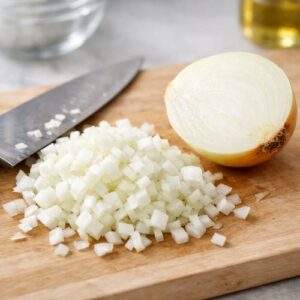
- Start with your large yellow onion and peel away the papery skin. Slice the onion in half from root to tip. Take one half and finely chop it into small, uniform pieces—these will cook down completely into the beef mixture and add sweetness and depth. Set this pile aside on your cutting board. Take the other half and slice it thinly across the grain—these slices will caramelize with the cabbage and become jammy and soft. Keep these separate; they cook differently and at different times, which is why this matters. The chopped onion melts into everything; the sliced onion stays partially distinct and sweet.
Step 2: Bloom Your Aromatics in Oil
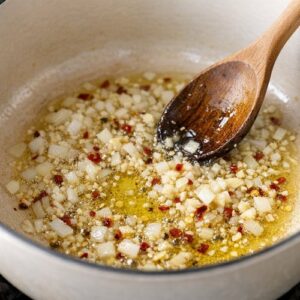
- In a large heavy pan or braising pot (one with a lid—you'll need it), heat 2 tablespoons of your olive oil over medium-high heat. You want it shimmering but not smoking—that's the sign it's hot enough to cook with intention. Add your chopped onion and let it sit undisturbed for about a minute. This initial sear develops flavor. Then stir occasionally for about 3-5 minutes until the onion becomes soft, fragrant, and translucent but absolutely not browned. If it's browning, your heat is too high; turn it down. Add your minced garlic and cook another 30 seconds—just until fragrant. This entire step should smell incredible. If it doesn't, something's wrong with your garlic or timing.
Step 3: Brown the Beef With Intention
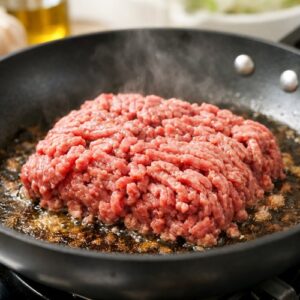
- Increase your heat to medium-high and add your pound of lean ground beef directly to the pan. Don't stir it immediately—let it sit for about a minute so it can make contact with the hot pan and begin browning. Then break it up with a wooden spoon, pressing it into smaller and smaller pieces as it cooks. This is crucial: the more surface area exposed to heat, the better the browning, and the better the flavor. Cook, stirring occasionally, for about 7-10 minutes total. You're looking for no more pink anywhere. Once the beef is fully cooked, carefully pour off any excess liquid if there's standing water—lean beef shouldn't produce much, but if it does, drain it. This keeps your finished dish from being watery. Now season this cooked beef with half of your cumin (½ teaspoon), all of your baharat, your coriander, your paprika, and a big generous pinch each of kosher salt and black pepper. Stir it all together so every piece of beef is coated. The spices should smell warm and toasty. Transfer this seasoned beef to a clean plate and set it aside. Don't wash the pan—those browned bits are flavor gold.
Step 4: Caramelize Your Vegetables for Maximum Nutrition
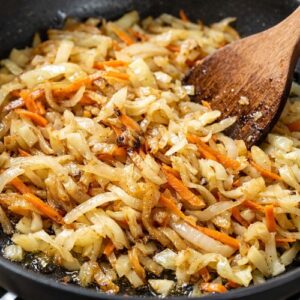
- Return your pan to the stove and add your remaining 2 tablespoons of olive oil. Heat it over medium-high until it's shimmering again. Add your thinly sliced onion, your shredded cabbage, your shredded carrots, the remaining ½ teaspoon of cumin, and another big pinch each of salt and pepper. Use your wooden spoon to toss everything thoroughly so it's all coated in oil. This coating ensures even cooking and caramelization. Here's where patience pays off: cover your pan with a lid and let it sit for 3-5 minutes without touching it. The cabbage will release its water, creating steam that softens everything quickly. This is the shortcut that saves you 20 minutes of cooking. Uncover the pan and stir everything gently. You'll notice the cabbage has begun to wilt and the bottom of the pan has some browned bits (more flavor). Continue cooking, stirring occasionally, for about 15 minutes total. You're looking for the cabbage to become tender with some caramelized brown spots on the edges. This is different from boiled cabbage—it's sweet, tender, and deeply flavorful.
Step 5: Bring Everything Together
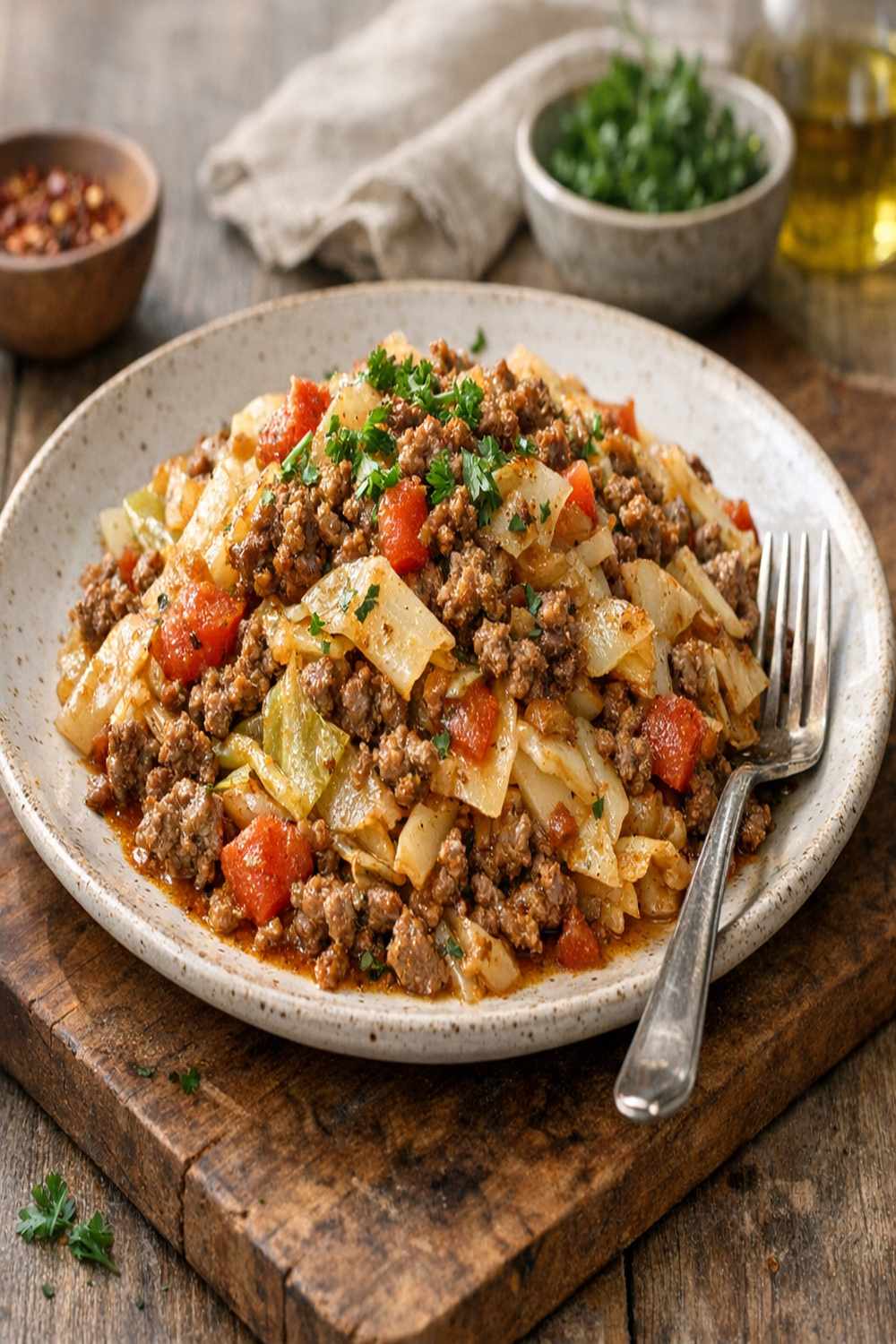
- Return your reserved cooked beef to the pan with all the caramelized vegetables. Toss everything together gently and cook for just 1-2 minutes—you're simply warming the beef through and combining everything. Remove the pan from heat. This is important: while the pan is off heat, stir in your vinegar, the white parts of your scallions (the chopped greens parts), and your fresh parsley. The heat would destroy the vitamins in the fresh herbs, and the vinegar will brighten everything without that sharp bite it would develop if cooked. Taste what you've made. Does it need more salt? Add a tiny pinch and stir. Does it need more brightness? Add another dash of vinegar. Trust your palate here—you know what you like. If you want richness, drizzle just a little more olive oil over the top.