Ingredients
Method
Step 1: Mixing the Dough
- In a medium bowl, combine the high-protein bread flour, malt powder, baking soda, salt, and vital wheat gluten. This blend is crucial; each ingredient contributes to the overall structure and flavor of your noodles. Gradually add the filtered water while stirring. You want the mixture to come together but not too wet. Think of the texture as slightly crumbly—like damp sand.
Step 2: Kneading
- Once combined, transfer the dough onto a floured work surface. Knead the dough for about 8-10 minutes. This is the workout your dough needs to develop the gluten. You want it smooth and elastic. A good test? Press your thumb into the dough. If it springs back, you're golden!
Step 3: Resting the Dough
- Wrap the dough in plastic wrap and let it rest for at least 30 minutes. Resting allows the gluten to relax, making it easier to roll out later. Use this time wisely—think about your flavors, aromas, and toppings while you wait.
Step 4: Rolling Out the Dough
- After resting, unwrap the dough and divide it into smaller portions. Roll each piece out on a floured surface to your desired thickness. Too thick, and you’ll lose that delectable chew; too thin, and they’ll break apart in your broth. Aim for a thickness of about 1/8 inch.
Step 5: Cutting the Noodles
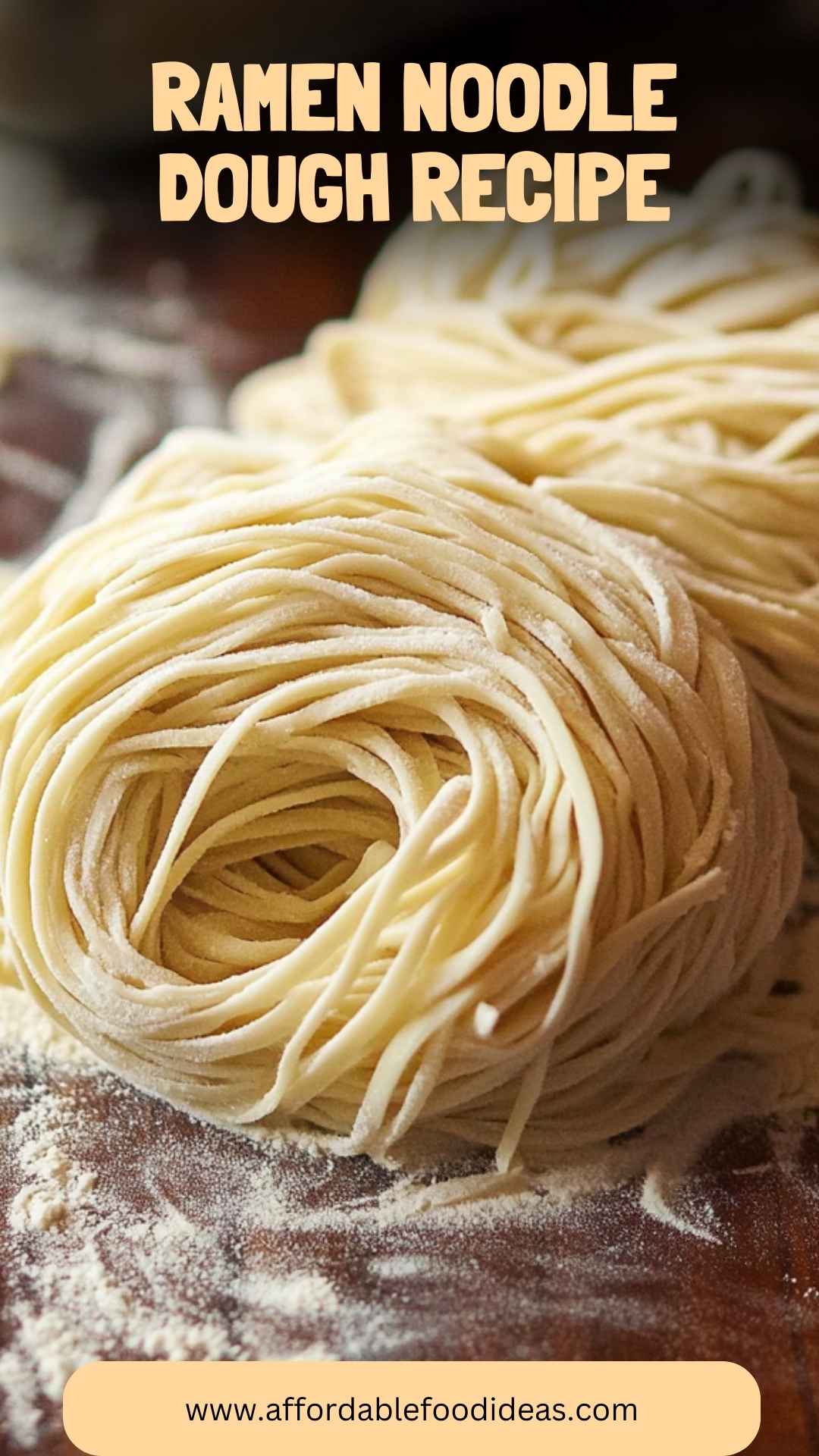
- Using a sharp knife or a pasta cutter, slice the dough into your preferred noodle size. Whether you like thin or thick noodles, it’s all up to you! Be careful to keep the cuts even; uneven sizes can affect cooking time.
Step 6: Cooking the Noodles
- Bring a large pot of water to a rolling boil. Add the freshly cut noodles and cook for about 2-4 minutes, depending on thickness. Fresh noodles cook faster than dried, so keep an eye on them. You want them firm but tender.
Step 7: Cooling and Storing
- Once cooked, drain your noodles and rinse them under cold water to halt the cooking process. If you’re not using them immediately, toss with a little bit of oil to prevent sticking. Remember, your delicious creation is just a step away from greatness.
Notes
- Flour Selection: Higher protein flour helps achieve chewier noodles.
- Hydration Matters: Don’t be afraid to adjust water amounts slightly based on the humidity; it can affect your dough.
- Resting Time: Allow the dough to rest longer if time permits. A bit of patience goes a long way.
- Noodle Thickness: Experiment with thickness for different styles of ramen. Thicker noodles pair well with hearty broths.
- Drying and Storage: If you’re batch-making noodles, consider drying them on a flour-dusted surface for later use.