This post contains affiliate links. As an Amazon Associate I earn from qualifying purchases.
This one-pan wonder bridges comfort and nutrition in ways that remind me why I fell in love with wholesome cooking. Brats and sauerkraut is the kind of dish that feeds your family without emptying your wallet, and it pairs beautifully with simple sides like baked beans recipe on the stovetop or crusty bread. If you’re looking for other satisfying main dishes that don’t require fancy ingredients, I’ve got plenty of options for you.
A Kitchen Memory That Changed My Approach to Weeknight Dinners
I’ll never forget standing in my grandmother’s kitchen in a small Massachusetts town, watching her brown sausages in a cast-iron skillet while the smell of apple and caraway filled the room. She wasn’t following a recipe—she was working with what she had: inexpensive bratwurst, a jar of sauerkraut from the farmers market, and one apple from the fruit bowl. “April,” she said, stirring the bubbling pan, “you don’t need money to make something delicious. You need intention.”
That lesson stuck with me through nutrition school and into my practice as a registered dietitian. Brats and sauerkraut became my go-to example of how traditional, affordable dishes deliver real nutrition alongside real flavor. Today, I’m sharing that exact philosophy with you—because everyone deserves a satisfying dinner that doesn’t require a trip to a specialty store or a premium price tag.

What is Brats and Sauerkraut?
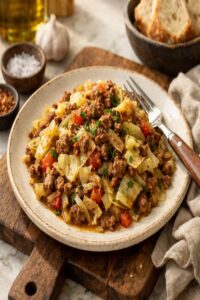
This German-inspired one-pan meal combines browned sausages with fermented cabbage, creating a dish that’s simultaneously hearty and surprisingly light. The sausages get nestled into a bed of tangy sauerkraut, sweet apples, and aromatic spices, then simmered together until everything becomes unified by a savory broth.
What makes this recipe special isn’t just the flavor—it’s the nutrition. Fermented sauerkraut contains beneficial probiotics that support digestive health, while apples add natural sweetness and fiber without refined sugars. The sausages provide protein and satiety that carries you through your evening. From both a culinary and nutritional standpoint, this is genuine comfort food that doesn’t apologize for its ingredients.
The beauty of brats and sauerkraut lies in its simplicity and adaptability. Whether you’re cooking for a family weeknight or prepping for a small gathering, this recipe scales easily and improves as leftovers sit in the refrigerator for a day or two.
Why You’ll Love This Brats and Sauerkraut Recipe
- Budget-friendly from start to finish – The entire meal costs around $8 total, which breaks down to roughly $2 per serving for a family of four. No specialty ingredients required.
- Hands-on time is minimal – Active cooking time is about 10 minutes. The oven and stovetop do most of the work while you attend to other tasks.
- Packed with probiotics – The fermented sauerkraut delivers beneficial bacteria that support gut health, digestion, and immune function naturally.
- One-pan simplicity – Everything cooks in a single pot or deep skillet, which means fewer dishes and less cleanup after dinner.
- Naturally gluten-free – As long as you select sausages without fillers, this meal works for those avoiding gluten without any modifications.
- Makes excellent leftovers – This dish tastes even better the next day as flavors deepen and meld together during refrigeration.
- Endlessly customizable – You can swap proteins, add vegetables, or adjust spices based on what’s in your pantry right now.
The Ingredients
I’ve chosen each ingredient for both affordability and nutritional value. Most items live in your pantry already, and the ones that don’t will cost you just pennies. I’ve also included budget-friendly swaps for every component because that’s how real home cooking happens.
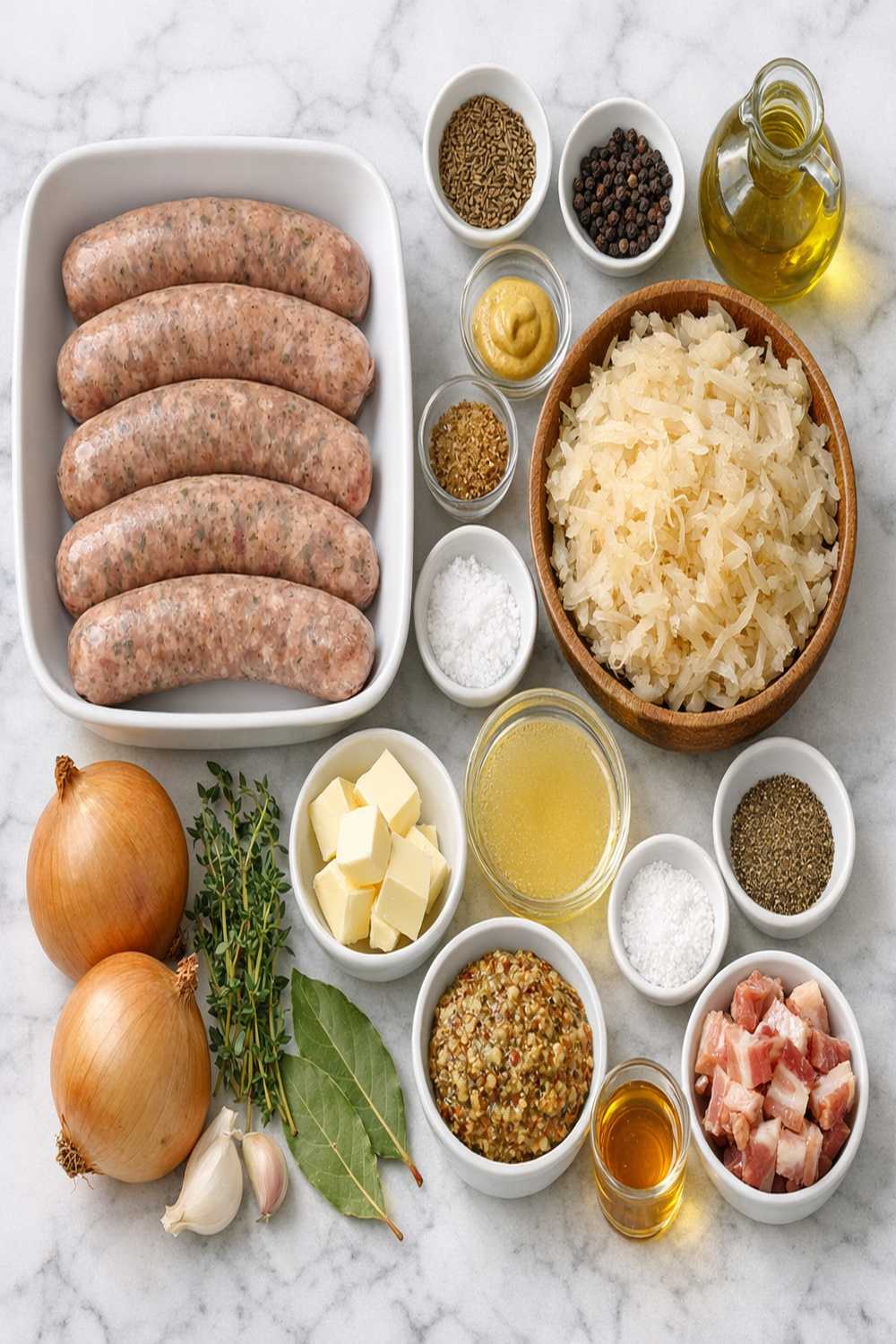
- 1 tablespoon apple cider vinegar (brightens the final flavor, optional, about $0.02)
- 1 yellow onion (sliced into thin rings, about $0.70)
- ½ teaspoon mustard powder (adds depth without extra cost, optional, about $0.01)
- ¼ teaspoon caraway seeds (optional but traditional, about $0.02)
- 24 ounces sauerkraut (drained and rinsed, canned or jarred, about $1.87)
- ¼ teaspoon paprika (sweet or smoked, about $0.02)
- 1 cup chicken or vegetable broth (low-sodium preferred, about $0.13)
- 1 tablespoon cooking oil (vegetable, canola, or olive oil all work equally well, about $0.04)
- 5 bratwurst links (about 19 ounces total, about $4.47)
- ¼ teaspoon black pepper (freshly cracked tastes better, about $0.02)
- 1 medium apple (any variety—Granny Smith, Gala, or Honeycrisp all work, about $0.72)
- 2 cloves garlic (minced fresh, about $0.16)
Total ingredient cost: approximately $8.16 | Serves 4-5 people | Cost per serving: roughly $1.63-$2.04
Budget-Conscious Ingredient Swaps
- Broth substitution – Water mixed with half a bouillon cube provides identical results at half the cost, or use leftover vegetable cooking water.
- Store-brand sauerkraut – Save 30-50% by choosing store brands, which taste identical to premium versions and deliver the same probiotic benefits.
- Skip the caraway – This spice is optional. If you don’t have it, the dish remains delicious without it. I promise you’ll never miss what wasn’t there.
- Bratwurst alternatives – Use Italian sausage, kielbasa, or even ground beef formed into patties. The cooking method remains identical, though timing may shift slightly.
- Fresh apple swap – Dried apple pieces (rehydrated in warm water first) work beautifully, or skip the apple entirely and add a tablespoon of brown sugar instead.
How to Make Brats and Sauerkraut
This recipe requires minimal skill—if you can slice vegetables and turn a dial on your stove, you can absolutely make this meal. The magic happens through patient, gentle heat rather than complicated technique.
Step 1: Prepare Your Ingredients
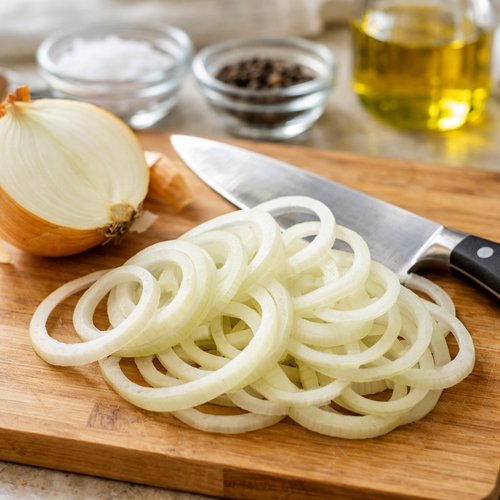
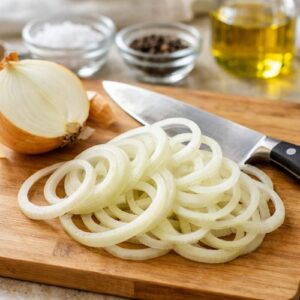
Start by slicing your yellow onion into thin rings rather than chunks—thin slices cook down more evenly and soften beautifully into the sauerkraut. Core and slice your apple into thin pieces as well, leaving the skin on for extra fiber and texture. Mince your garlic finely so it distributes throughout the dish rather than remaining in large, harsh pieces. Having everything prepped before you turn on the heat is called mise en place in professional kitchens, and it genuinely changes how smoothly your cooking flows.
Step 2: Brown the Sausages
Pour your cooking oil into a large, deep skillet or Dutch oven and heat over medium flame. You’re looking for the oil to shimmer and move freely in the pan, which typically takes about 2-3 minutes. This is the signal that your pan is hot enough. Place your five bratwurst links directly into the hot oil and resist the urge to move them immediately. Let them sit undisturbed for about 3-4 minutes, developing a deep brown crust on the underside. Flip each link and brown the opposite side for another 3-4 minutes. The sausages don’t need to be cooked through at this stage—you’re simply building flavor through the browning process, which creates what culinary professionals call the Maillard reaction.
Once the sausages are well-browned on both sides, transfer them to a clean plate. Don’t worry about any brown bits stuck to the bottom of your pan—these flavorful deposits are exactly what you want and will come loose as you add your vegetables.

Step 3: Sauté the Aromatics
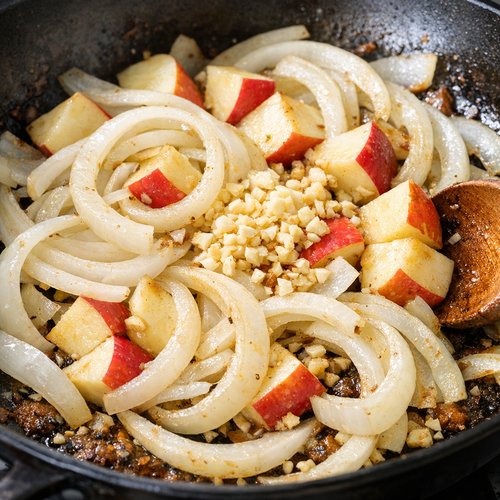
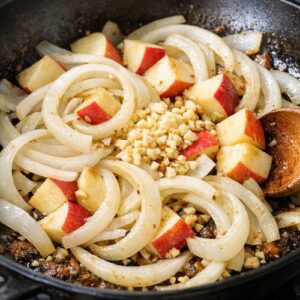
Return your skillet to medium heat with all those browned bits still clinging to the bottom. Add your sliced onions, apple pieces, and minced garlic directly to the pan. Stir everything together gently, scraping the bottom of the pan as you go. Those stuck-on brown bits will release into your vegetables, flavoring them deeply. Cook this mixture for approximately 5-7 minutes, stirring occasionally, until your onions become soft and slightly translucent and the kitchen fills with an incredible sweet-savory aroma. You should see the onions beginning to lose their structure and the apple pieces becoming slightly tender.
Step 4: Combine the Sauerkraut and Broth
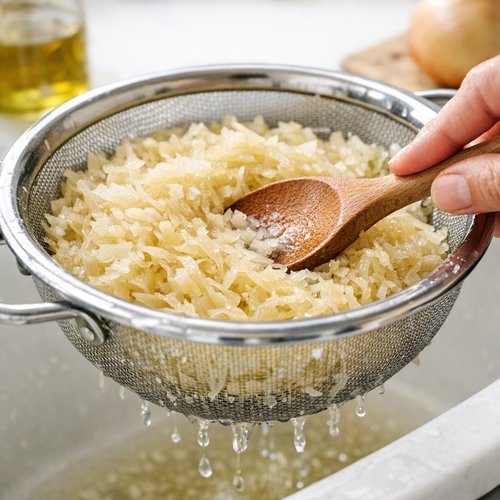
Drain your sauerkraut thoroughly in a colander, pressing gently to remove excess liquid. This step prevents your final dish from becoming overly wet. Add the drained sauerkraut to your pan along with the caraway seeds, paprika, and freshly cracked black pepper. If you’re using mustard powder or apple cider vinegar, add these now as well. Pour in your cup of chicken broth and stir everything thoroughly, making sure the spices distribute evenly throughout the sauerkraut mixture. The pan should smell absolutely incredible at this point—funky, spicy, slightly sweet, and deeply savory all at once.
Step 5: Nestle and Simmer
Arrange your browned bratwurst links directly on top of the sauerkraut mixture, pressing them down slightly so they’re nestled into the bed of cabbage and liquid. This positioning ensures even cooking from all directions. Place a lid on your pan and increase the heat slightly until the liquid begins to simmer gently around the edges, which typically takes 2-3 minutes. Once you see that gentle activity, reduce the heat to medium-low. You want a slow, steady simmer—not a rolling boil that splashes or evaporates liquid too quickly.
Allow the sausages to simmer covered for 20-25 minutes. Check at the 20-minute mark by cutting into the thickest sausage to confirm it’s cooked through—there should be no pink inside, and the juices should run clear. The sauerkraut will soften further, and all the flavors will marry together into something greater than the sum of their parts.

Step 6: Serve Hot and Fresh
Remove your pan from heat and let it rest undisturbed for 2-3 minutes. This allows the temperature to equalize and gives everything time to settle. Ladle the sauerkraut mixture into bowls or onto plates, topping each portion with one sausage link. Pour the flavorful broth over everything, and serve immediately while piping hot.

Expert’s Nutritional Tip
As a registered dietitian, I want you to understand what’s actually happening nutritionally in this dish. The fermented sauerkraut isn’t just tangy—it contains live cultures of Lactobacillus and other beneficial bacteria that survive the cooking process and reach your digestive system intact. These probiotics support your microbiome, which influences everything from immunity to mood. The apple provides pectin, a soluble fiber that feeds these beneficial bacteria, creating what’s called a prebiotic effect. Meanwhile, the sausages deliver complete protein with all nine essential amino acids, plus B vitamins and minerals like zinc and iron. This isn’t indulgent comfort food—it’s genuinely nutritious comfort food, which is why I serve it to my own family regularly.
Tips and Tricks
- Choose quality sausages when possible – Look for bratwurst with minimal fillers and recognizable ingredients. They cost roughly the same as lower-quality options but taste noticeably better and cook more evenly.
- Don’t skip the browning step – This develops deep flavor that makes the entire dish richer. It takes just 8 minutes and transforms the result completely.
- Drain your sauerkraut thoroughly – This prevents the dish from becoming a soggy mess. Squeeze gently in a colander, then pat dry with paper towels if you’re feeling thorough.
- Taste before serving – Sauerkraut varies in saltiness depending on the brand. You may want to adjust the seasoning with additional pepper or a splash of vinegar before plating.
- Cover the pan while simmering – This traps steam, which cooks the sausages gently and prevents the broth from evaporating too quickly.
- Use a deep skillet or Dutch oven – A shallow skillet may cause the broth to evaporate before the sausages finish cooking. Depth is your friend here.
- Adjust spices to your preference – The paprika and caraway are traditional but not mandatory. Add more pepper if you prefer heat, or skip the caraway if you don’t have it.
Can I Store Brats and Sauerkraut?
Absolutely, and this dish stores beautifully. Allow leftovers to cool to room temperature, then transfer everything—sausages, sauerkraut, and broth—to an airtight container. Refrigerate for up to 4 days. The flavors actually improve as they sit, becoming more integrated and complex. To reheat, place the container in a 325°F oven for about 20 minutes, or warm gently on the stovetop over medium-low heat with a lid, stirring occasionally until everything reaches serving temperature.
For freezing, allow the dish to cool completely, then transfer to freezer-safe containers, leaving about an inch of headspace for expansion. Frozen brats and sauerkraut will keep for up to 3 months. Thaw overnight in the refrigerator before reheating using the same gentle stovetop method described above.
Make-Ahead Guide for Busy Weeknights
I developed this make-ahead strategy from my work with busy families who wanted wholesome meals without weeknight stress. On your day off, slice your onions and apple, mince your garlic, and store these prepped vegetables in separate airtight containers in the refrigerator for up to 2 days. You can also drain your sauerkraut ahead of time. When you’re ready to cook, simply brown your sausages, add the prepped vegetables, and proceed with the recipe. This cuts your hands-on cooking time from 35 minutes to approximately 15 minutes on the actual cooking day.
Alternatively, you can completely assemble this meal in your slow cooker or Instant Pot. Brown the sausages in a regular pan first, then transfer everything to your slow cooker with all other ingredients. Cook on low for 4-6 hours or high for 2-3 hours. For an Instant Pot, brown the sausages using the sauté function, add all ingredients, seal the lid, and cook on high pressure for 8 minutes with a natural 5-minute pressure release.
Common Mistakes to Avoid
- Skipping the browning step – I understand the temptation to save time, but browning develops flavor that simmering alone cannot create. Those 8 minutes genuinely matter.
- Using sauerkraut that’s too salty – Some brands are significantly saltier than others. Taste a small amount first, and adjust your seasoning accordingly. You can always add salt, but you cannot remove it.
- Simmering too vigorously – A rolling boil will toughen the sausages and evaporate your broth. Gentle, steady heat creates tender sausages and a flavorful sauce.
- Overcrowding the pan – If you’re doubling this recipe, use a larger pan or cook in batches. Crowding prevents proper browning and forces steaming instead.
Seasonal Variations
Spring and Summer: Add fresh herbs like dill or parsley in the final minutes of cooking. Include a handful of fresh spinach or arugula, which wilts beautifully into the sauerkraut. Substitute half the sauerkraut with shredded fresh cabbage for a lighter version.
Fall and Winter: Add root vegetables like diced carrots, parsnips, or potatoes in step 3, giving them extra time to soften. Include additional warming spices like a pinch of allspice or cloves. Increase the mustard powder slightly for deeper, richer flavor.
Year-Round: Swap the apple for ½ cup of sliced fresh pineapple for brightness, or use ¼ cup of raisins or dried cranberries for sustained sweetness. Add a splash of beer (light lager or wheat beer work best) instead of some of the broth for authentic German flavor.
Nutrition Information
Based on USDA nutritional databases, each serving (one sausage plus approximately 1 cup of sauerkraut mixture) provides approximately 280-320 calories, 16-18 grams of protein, 8-10 grams of fiber, and 12-14 grams of fat, primarily from the sausage. The dish is naturally low in refined carbohydrates and provides meaningful amounts of vitamin C (from the sauerkraut), vitamin B12 (from the sausage), and selenium. The sodium content varies based on your sauerkraut brand; store-brand varieties may contain 600-800mg per serving, while some premium brands reduce this to 300-400mg.
This is genuinely nutrient-dense comfort food. The probiotics, fiber, and complete protein work together to support satiety, energy, and digestive function. I serve this to my own family without guilt, knowing that every component offers real nutritional value alongside genuine pleasure.
What Can I Serve With Brats and Sauerkraut?
Brats and sauerkraut is hearty enough to stand alone, but thoughtful accompaniments make the meal feel more complete. Here are my favorite pairings, all chosen for both flavor and budget-consciousness.
- Crusty bread or rolls – Serve thick slices of rye, pumpernickel, or simple white bread alongside to soak up the flavorful broth. This transforms dinner into something approaching a sandwich if preferred.
- Mashed potatoes – Creamy, buttery mashed potatoes provide starch and comfort without competing with the main dish’s flavors. Use store-brand butter and potatoes for budget-friendly results.
- Buttered egg noodles – Wide egg noodles catch the savory broth beautifully and create a more substantial meal for larger appetites or families with growing teenagers.
- Simple green salad – A crisp salad with vinaigrette provides textural contrast and lightness. Iceberg lettuce is affordable and works perfectly here, though any greens will do.
- Roasted root vegetables – Carrots, parsnips, or brussels sprouts roasted until caramelized add earthiness and complexity to your plate.
- Baked creamy chicken recipe – If you’re planning a larger gathering, this pairs beautifully alongside brats and sauerkraut for a mixed protein presentation.
- Beer or apple cider – The traditional German pairing. Serve cold lager or light wheat beer, or non-alcoholic apple cider for a family-friendly option.
- Pickled vegetables – Homemade or store-bought pickled onions, pickles, or mixed vegetables add sharp brightness that cuts through the richness of the sausage.
Substitutes
- Different sausage varieties – Kielbasa delivers smokiness, Italian sausage brings fennel notes, and even ground beef shaped into patties works beautifully. The cooking time remains the same.
- Turkey or chicken sausage – If you prefer poultry, turkey links reduce the fat content while maintaining similar flavor. Expect them to cook slightly faster, so check for doneness around the 18-minute mark.
- Vegetarian sausage substitutes – Plant-based sausages have improved dramatically. Brown them briefly and proceed with the recipe, though reduce cooking time to 10-12 minutes since they’re already cooked.
- Fresh cabbage instead of sauerkraut – Shred fresh green cabbage and cook it with the broth. Add 1-2 tablespoons of apple cider vinegar or lemon juice to create the sauerkraut-like tanginess. Cooking time increases to 30 minutes to soften the raw cabbage.
- Different apple varieties – Granny Smith apples bring tartness, Gala or Honeycrisp provide sweetness, and Pink Lady offers middle ground. There’s no wrong choice, just different flavor profiles.
- Onion variations – Red onions work beautifully and add visual interest, while sweet onions reduce the sharpness. White onions are equally delicious and often cheaper.
- Broth alternatives – Vegetable broth works perfectly for a more vegetarian lean, bone broth adds collagen and gelatin, and even water with a bouillon cube provides adequate liquid.
- Spice swaps – Dijon mustard replaces mustard powder, dried dill replaces caraway, and smoked paprika increases depth if you have it. Adjust to your preference.

Brats And Sauerkraut Recipe
Ingredients
Method
- Start by slicing your yellow onion into thin rings rather than chunks—thin slices cook down more evenly and soften beautifully into the sauerkraut. Core and slice your apple into thin pieces as well, leaving the skin on for extra fiber and texture. Mince your garlic finely so it distributes throughout the dish rather than remaining in large, harsh pieces. Having everything prepped before you turn on the heat is called mise en place in professional kitchens, and it genuinely changes how smoothly your cooking flows.
- Pour your cooking oil into a large, deep skillet or Dutch oven and heat over medium flame. You're looking for the oil to shimmer and move freely in the pan, which typically takes about 2-3 minutes. This is the signal that your pan is hot enough. Place your five bratwurst links directly into the hot oil and resist the urge to move them immediately. Let them sit undisturbed for about 3-4 minutes, developing a deep brown crust on the underside. Flip each link and brown the opposite side for another 3-4 minutes. The sausages don't need to be cooked through at this stage—you're simply building flavor through the browning process, which creates what culinary professionals call the Maillard reaction. Once the sausages are well-browned on both sides, transfer them to a clean plate. Don't worry about any brown bits stuck to the bottom of your pan—these flavorful deposits are exactly what you want and will come loose as you add your vegetables.

- Return your skillet to medium heat with all those browned bits still clinging to the bottom. Add your sliced onions, apple pieces, and minced garlic directly to the pan. Stir everything together gently, scraping the bottom of the pan as you go. Those stuck-on brown bits will release into your vegetables, flavoring them deeply. Cook this mixture for approximately 5-7 minutes, stirring occasionally, until your onions become soft and slightly translucent and the kitchen fills with an incredible sweet-savory aroma. You should see the onions beginning to lose their structure and the apple pieces becoming slightly tender.
- Drain your sauerkraut thoroughly in a colander, pressing gently to remove excess liquid. This step prevents your final dish from becoming overly wet. Add the drained sauerkraut to your pan along with the caraway seeds, paprika, and freshly cracked black pepper. If you're using mustard powder or apple cider vinegar, add these now as well. Pour in your cup of chicken broth and stir everything thoroughly, making sure the spices distribute evenly throughout the sauerkraut mixture. The pan should smell absolutely incredible at this point—funky, spicy, slightly sweet, and deeply savory all at once.
- Arrange your browned bratwurst links directly on top of the sauerkraut mixture, pressing them down slightly so they're nestled into the bed of cabbage and liquid. This positioning ensures even cooking from all directions. Place a lid on your pan and increase the heat slightly until the liquid begins to simmer gently around the edges, which typically takes 2-3 minutes. Once you see that gentle activity, reduce the heat to medium-low. You want a slow, steady simmer—not a rolling boil that splashes or evaporates liquid too quickly. Allow the sausages to simmer covered for 20-25 minutes. Check at the 20-minute mark by cutting into the thickest sausage to confirm it's cooked through—there should be no pink inside, and the juices should run clear. The sauerkraut will soften further, and all the flavors will marry together into something greater than the sum of their parts.

- Remove your pan from heat and let it rest undisturbed for 2-3 minutes. This allows the temperature to equalize and gives everything time to settle. Ladle the sauerkraut mixture into bowls or onto plates, topping each portion with one sausage link. Pour the flavorful broth over everything, and serve immediately while piping hot.

Notes
FAQs
Can I make this recipe with fresh bratwurst instead of packaged?
Absolutely! Fresh bratwurst from a butcher or specialty meat counter often costs the same or less than packaged versions and tastes noticeably fresher. Brown them using the exact same method—they may take 1-2 minutes less per side since they’re already at room temperature. Ask your butcher to recommend a fresh option that’s flavorful and holds together well during browning.
Is sauerkraut safe to eat if I have IBS or digestive sensitivities?
For many people with sensitive digestion, sauerkraut is actually beneficial thanks to its probiotics. However, some folks struggle with fermented foods initially. If this applies to you, start with a smaller portion (½ cup instead of 2 cups) and observe how your body responds over several days. You can always scale up as tolerance improves. The live cultures in sauerkraut often improve digestion over time rather than causing issues, though individual responses vary. If sauerkraut remains problematic, use fresh shredded cabbage cooked with vinegar as described in the substitutes section.
Can I use canned bratwurst or frozen sausages?
Canned bratwurst tends to be mushy and far less flavorful than fresh or frozen versions. I genuinely don’t recommend this option, though it’s technically possible. Frozen bratwurst works perfectly—thaw it overnight in the refrigerator first, or brown it from frozen (just add 2-3 extra minutes per side). The browning will still develop proper flavor even if the sausage begins frozen.
How do I know when the sausages are fully cooked?
At the 20-minute mark, cut into the thickest sausage at its center. Fully cooked bratwurst will show no pink inside, and any juices should run clear. An instant-read meat thermometer inserted into the thickest part should read 160°F. If you’re uncertain, give it another 3-5 minutes of simmering and test again. Slightly overcooked sausages remain tender when simmered in broth, unlike when they’re dry-roasted.
What if my sauerkraut tastes too strong or too vinegary?
Rinse your sauerkraut thoroughly under cold water while in a colander, pressing gently several times. This removes excess brine and mellows the flavor considerably. If it’s still too strong after rinsing, mix it 50/50 with fresh shredded cabbage. You can also add an extra tablespoon of brown sugar or apple to balance the sharpness. Different brands vary wildly in intensity—once you find a brand you like, stick with it for consistency.
Can I make this in a slow cooker, and does it change anything?
Yes! Brown your sausages in a regular skillet first (this is crucial for flavor), then transfer everything to a slow cooker on low. Cook for 4-6 hours or on high for 2-3 hours. The slow cooker method is perfect for days when you need dinner ready when you arrive home. The long, gentle heat creates incredibly tender sausages and well-melded flavors. Note that slow cookers don’t brown vegetables as effectively, so sauté your onions and apple briefly before adding them to the cooker if you want extra depth.
More Recipes You’ll Love
- Baked Beans Recipe on the Stovetop – A perfect side dish companion that’s equally budget-friendly and makes wonderful leftovers.
- Buffalo Wings Recipe – Another crowd-pleasing main course that delivers serious flavor without premium pricing.
- Baked Creamy Chicken Recipe – A tender, comforting protein dish that works beautifully for meal prep and feeding families.
- Baked Chimichangas Recipe – Transform budget ingredients into something that feels special enough for weekend entertaining.
There’s something deeply satisfying about sitting down to a meal that cost under $10 and feeds your whole family while nourishing your body. Brats and sauerkraut embodies that principle perfectly—it’s authentic, it’s affordable, and it proves that you don’t need fancy ingredients or complicated technique to create something memorable. My grandmother knew this back in that small Massachusetts kitchen, and I hope you’ll discover it too as you make this recipe your own.
If you try this brats and sauerkraut recipe, please don’t forget to mention @affordablefoodideas on social media. I love seeing how you adapt the recipe to your family’s tastes, and sharing those pictures helps other families understand that wholesome, delicious meals are absolutely within their reach. Thank you for being part of this journey toward affordable, nourishing food for everyone!