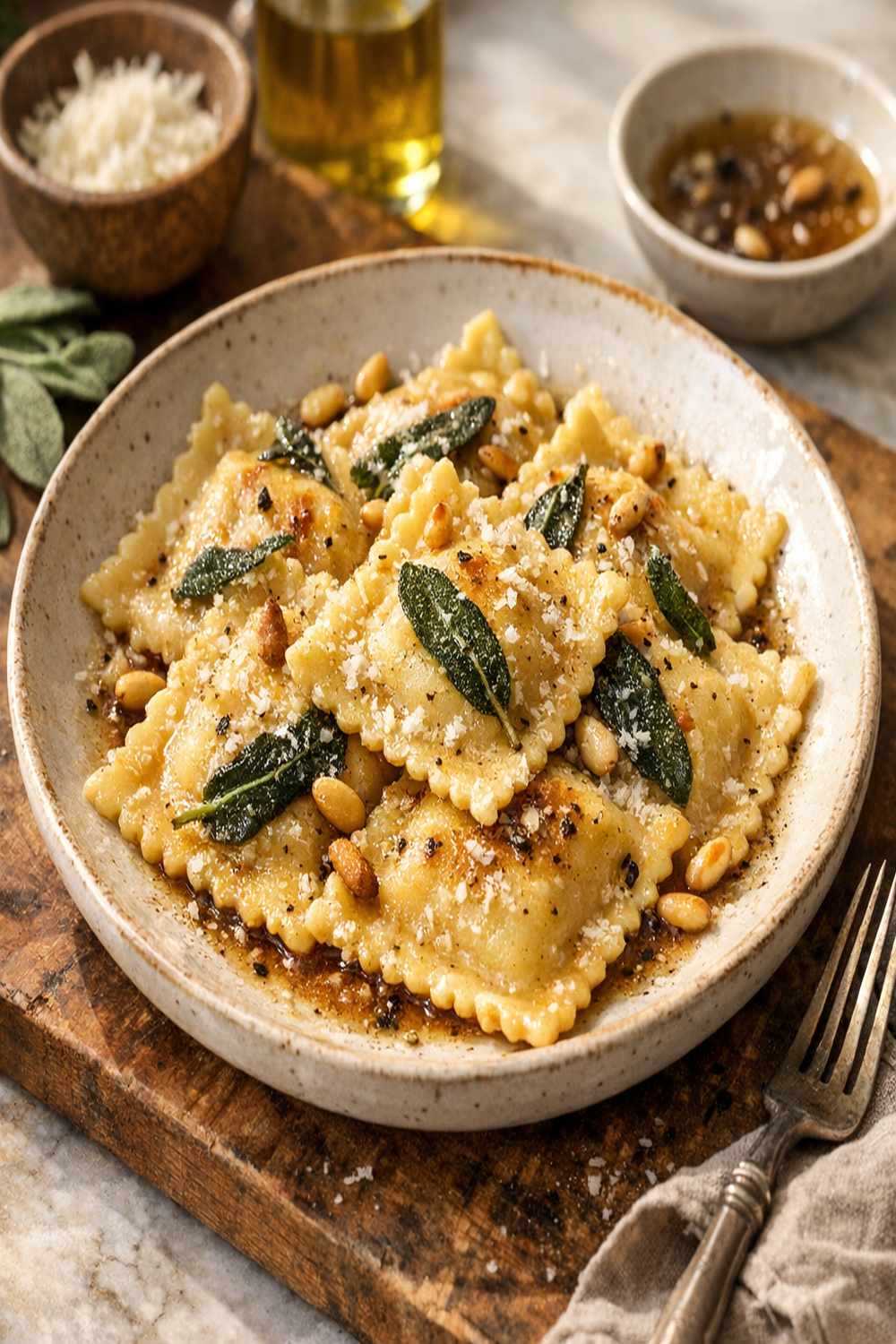

Ingredients
Method
Step 1: Start Your Ravioli
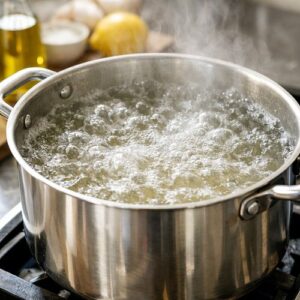
- Fill a large pot with salted water and bring it to a rolling boil. The water should taste like the sea—this seasons your pasta from the inside out. Once boiling, add your ravioli gently and stir occasionally to prevent sticking. Fresh ravioli takes 3-4 minutes; frozen takes 4-5 minutes; store-bought refrigerated takes 2-3 minutes. You'll know they're done when they float to the surface and stay there for about one minute. Don't overcook them—ravioli texture suffers quickly once it passes that window.
Step 2: Begin the Brown Butter Base
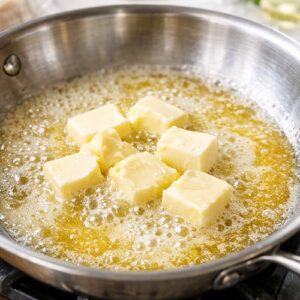
- While your water heats and ravioli cook, grab a large skillet (12-inch is ideal) and add your butter over medium heat. This is crucial—medium heat, not high. Rushing this step with high heat will burn your butter rather than brown it. You want the milk solids to toast slowly and develop flavor. Watch the butter carefully. First, it will melt completely. This takes about 1 minute. Then it will begin to foam as the water content evaporates. This is normal and expected.
Step 3: Wait for the Magic
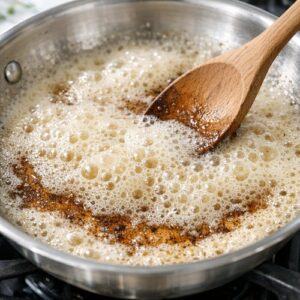
- Continue cooking, stirring occasionally with a wooden spoon or silicone spatula. After about 2-3 minutes total, you'll notice the foam starting to settle and the butter taking on color. Listen carefully—you'll hear it shift from a quiet sizzle to a slightly deeper sound. The butter will move from pale yellow to light golden to deep amber. Stop cooking when the butter smells distinctly nutty—this is the sensory cue that tells you you're at the perfect moment. If you wait for it to turn very dark brown, you've gone too far. You want deep golden with those rich, hazelnut aromas. This whole process takes about 3-4 minutes depending on your stove.
Step 4: Add Sage and Pepper
- Remove the skillet from heat for just a moment. Add your fresh sage leaves directly to the brown butter. The residual heat will start to crisp them immediately. Add freshly ground black pepper—I use about ¼ teaspoon, but taste as you go because this is very personal. Some people love a generous crack of pepper; others prefer it subtle. Return the skillet to medium heat and cook the sage in the butter for about 2 minutes, stirring gently. You want the sage leaves to become slightly crispy at the edges but still vibrant green. They'll develop little crispy patches while staying tender enough to eat easily.

Step 5: Add Lemon Juice
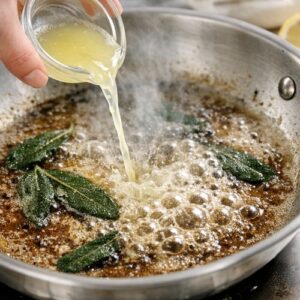
- Once the sage looks perfect, add about ½ tablespoon of fresh lemon juice to the brown butter. It will sizzle dramatically—that's exactly what should happen. The acid balances the richness of the butter and brings brightness to the whole dish. Stir gently to combine. Don't skip this step—it's what keeps brown butter from feeling heavy.
Step 6: Combine Ravioli with Brown Butter
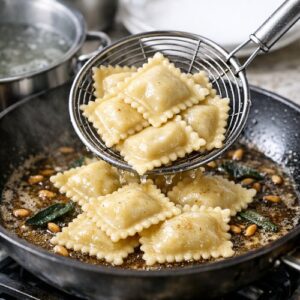
- Your ravioli should be perfectly cooked by now. Using a slotted spoon or spider strainer, transfer the ravioli directly from the boiling water to your brown butter skillet. Reserve about ½ cup of pasta cooking water before draining anything—this starchy water is liquid gold for adjusting sauce consistency. Gently toss the ravioli in the brown butter sauce, being careful not to break them. If the sauce seems too thick or if you want it to coat more thoroughly, add a splash of that reserved pasta water—just a couple tablespoons at a time—and toss gently.
Step 7: Plate and Finish
- Divide the ravioli among four bowls or plates, making sure each serving gets plenty of that precious brown butter and sage. Top each portion with freshly grated Parmigiano Reggiano—about 2-3 tablespoons per serving. Add a final squeeze of fresh lemon juice over each plate and a light pinch more black pepper if you like. Serve immediately while the ravioli are still warm and the butter is still glossy. This dish doesn't wait well once plated, so have your guests ready before you plate.

Notes
- Brown butter can burn quickly. If you're nervous, go with medium-low heat and add a minute or two to the cooking time. Better to brown slowly than to burn. Once you've done it once, you'll develop confidence and intuition.
- Sage leaves vary in size. If your sage leaves are very large, tear them in half so they cook evenly and distribute throughout the dish nicely.
- Fresh lemon makes a real difference. Bottled lemon juice will work in an emergency, but fresh juice adds brightness and complexity that bottled cannot match. If you're buying one thing fresh for this recipe, make it the lemon.
- Use a good skillet. A heavy-bottomed skillet (stainless steel or cast iron) will brown butter more evenly than a thin, lightweight pan. Non-stick pans are harder to brown butter in effectively because you can't see the color development as clearly.
- Grate your cheese fresh. This sounds fussy, but pre-shredded cheese contains anti-caking agents that prevent it from melting and coating smoothly. Fresh grating takes two minutes and transforms the dish. A microplane works beautifully here.
- Don't skip the pasta water. The starch in pasta cooking water is what helps sauce cling to ravioli. If your sauce seems too thick, a splash of this water fixes it instantly without diluting flavors.