
This post contains affiliate links. As an Amazon Associate I earn from qualifying purchases.
I’ve learned that some of the most elegant meals come from the simplest ingredients—and this brown butter ravioli is proof. If you’re looking for a restaurant-quality dinner that costs less than takeout, this is your answer. Pair it with a crisp green salad or some roasted vegetables, and you’ve got a complete meal that feels indulgent without the price tag. For a heartier option, consider serving it alongside Baked Creamy Chicken Recipe to stretch your ingredients further.
How a Small-Town Dinner Taught Me That Elegance Costs Less Than You Think
Growing up in my family’s kitchen, I watched my mother transform a pound of butter, fresh herbs from the garden, and store-bought pasta into something that made everyone at the table pause mid-conversation. She never made a fuss about it. No complicated sauces, no expensive proteins—just good ingredients treated with respect.
That lesson stuck with me through my registered dietitian training and into my practice here in Massachusetts. I’ve seen families skip meals because they think “healthy” or “restaurant-quality” costs too much. But this brown butter ravioli? It proves that wrong every single time I make it.
The magic happens when you slow down and let butter do what it does best: brown, deepen, and transform into something nutty and unforgettable. Add sage—whether fresh from your yard or a $2 bunch from the grocery store—and you have dinner that tastes like you spent hours in the kitchen when really, you spent twenty minutes.
What is Brown Butter Ravioli?
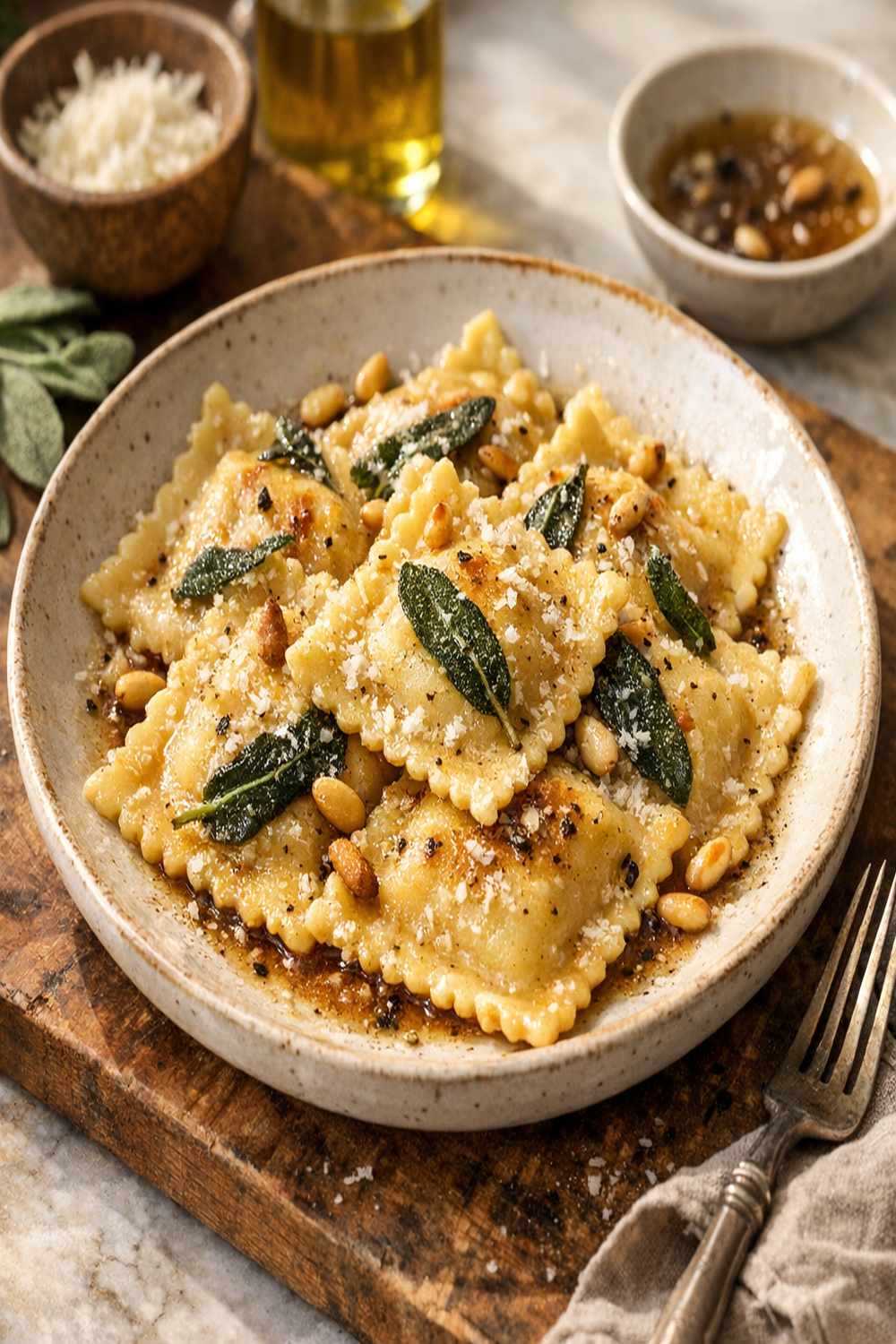
Brown butter ravioli is an Italian classic that falls into that wonderful category of “peasant food elevated.” The dish originates from Northern Italy, where butter, sage, and cheese have been celebrated together for centuries. What makes it special isn’t complexity—it’s technique and timing.
When you heat butter slowly over medium heat, the milk solids separate and toast, creating those hazelnut-like aromas and deep golden flavors that transform a simple pasta dish into something memorable. Add fresh sage leaves to crisp slightly in that brown butter, and you’ve created a sauce that’s rich, aromatic, and—here’s the best part—made from ingredients that cost pennies.
This isn’t a cream sauce. This isn’t a tomato-based dish. It’s pure, straightforward Italian cooking that relies on ingredient quality and proper technique rather than long ingredient lists. That’s why I love it, and why I think you will too.
Why You’ll Love This Brown Butter Ravioli Recipe
- It’s genuinely affordable. Ravioli (even the good stuff), butter, sage, lemon, and cheese add up to under $12 for four servings—that’s roughly $3 per person for a meal that tastes restaurant-quality.
- The technique is simple but feels special. Browning butter is one of those cooking skills that looks impressive but requires just attention and time. Once you nail it, you can apply it to vegetables, fish, or eggs for a whole new range of meals.
- It comes together in 20 minutes. Perfect for weeknight dinners when you’re tired and hungry but don’t want to sacrifice quality or nutrition.
- You can customize it easily. Swap the ravioli filling, change your herb, add a handful of spinach or pine nuts—this is a framework for creativity, not a rigid recipe.
- It’s naturally balanced nutrition-wise. You’re getting carbohydrates from the pasta, healthy fat from butter, protein from the cheese, and phytonutrients from the sage. No processed ingredients needed.
- Leftovers taste good cold or reheated. Whether you’re meal prepping or have dinner guests canceling last minute, this dish adapts gracefully.
The Ingredients
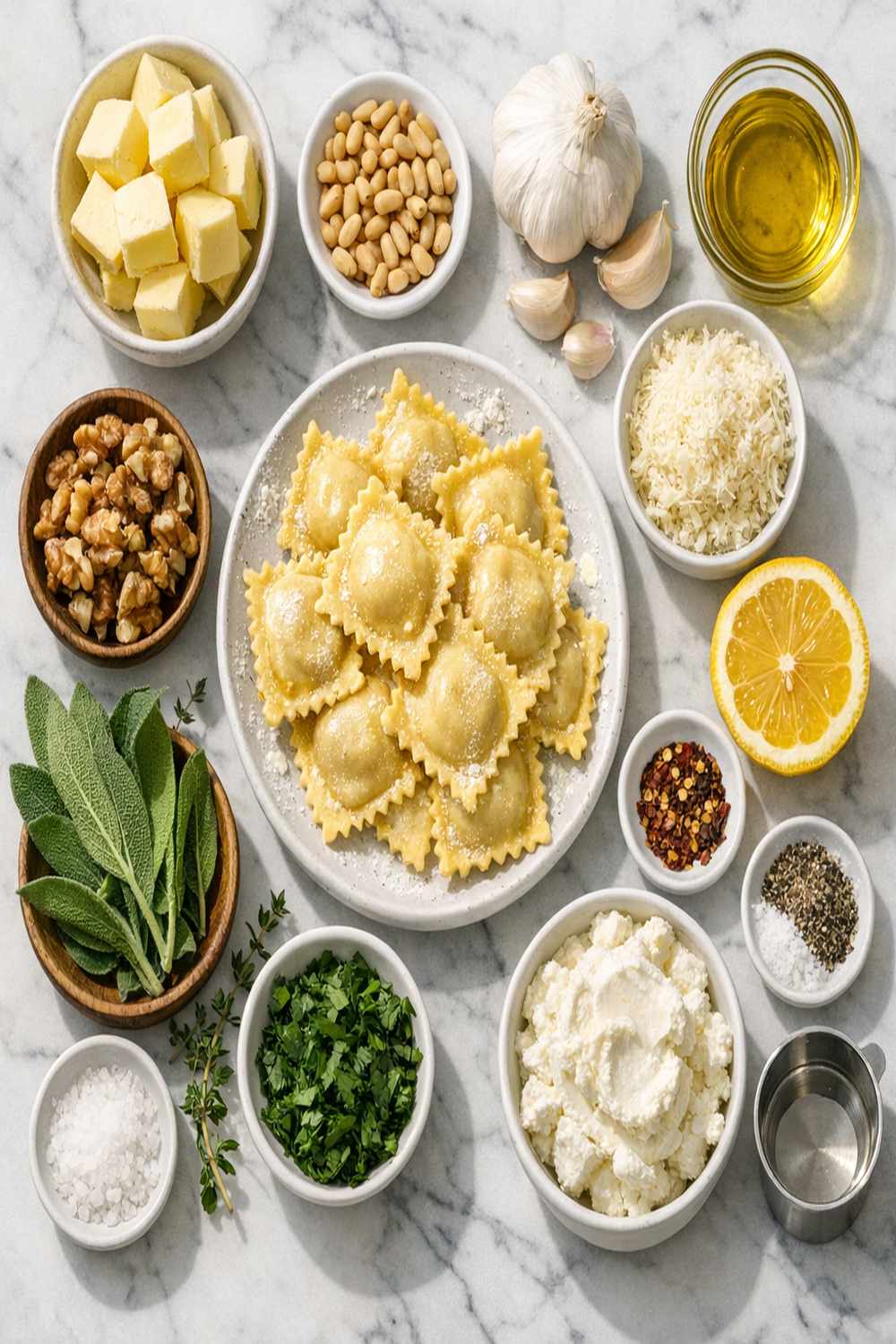
I’ve deliberately kept this ingredient list short because when flavors are this pure, more isn’t better—balance is. Each ingredient here serves a specific purpose, and I’ve included my budget-conscious swaps so you can make this work with what you have on hand.
- Freshly ground black pepper (generous amount, to taste)
- ¾ cup Parmigiano Reggiano cheese (freshly grated, never pre-shredded)
- ¼ teaspoon red pepper flakes (optional, adds subtle heat)
- 1 medium lemon (for both juice and zest)
- 18-20 oz store-bought or homemade ravioli (cheese, spinach, or meat-filled all work beautifully)
- 6 tablespoons salted butter (unsalted works too; I prefer salted for this because it adds depth)
- 20-25 fresh sage leaves (dried sage will work in a pinch—use 1 teaspoon—but fresh is worth seeking out)
Serves 4 as a main course or 6 as a first course
Budget Swap Alert: Making This Dish Work for Your Wallet
I know not everyone has access to fresh sage or wants to spend $4 on specialty cheese. Here’s how I adapt:
- Sage substitute: Fresh thyme or rosemary work beautifully, or even a combination of parsley and a pinch of dried oregano. The goal is aromatic herbs—use what grows in your region or what’s affordable at your store.
- Parmigiano Reggiano substitute: A good pecorino Romano, aged cheddar, or even quality grocery store parmesan will work. The key is grating it fresh, which costs less and tastes better than pre-shredded versions that contain anti-caking agents.
- Lemon substitute: No fresh lemon? A tablespoon of lemon juice concentrate or white wine vinegar adds the acidity you need to brighten the butter sauce.
- Ravioli substitute: Can’t afford or find quality ravioli? Use any pasta shape you have—tortellini, regular fettuccine, even broken lasagna noodles work with brown butter sauce. The technique is what matters.
How to Make Brown Butter Ravioli?
I’m going to walk you through this step-by-step, with sensory cues so you know exactly when things are done. Browning butter is forgiving once you understand what you’re looking for, and I promise you’ll develop an intuition for it after you make this once or twice.
Step 1: Start Your Ravioli
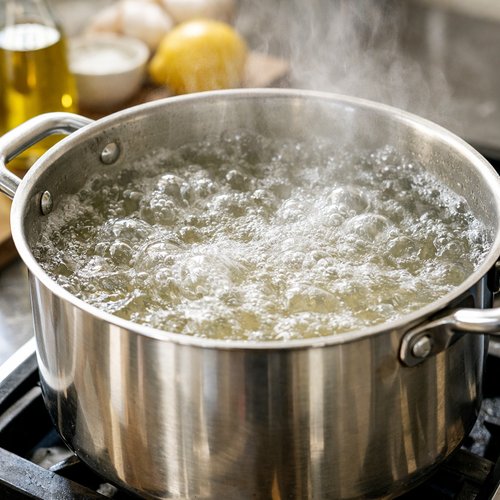
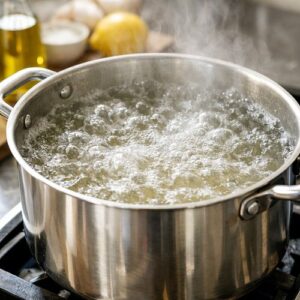
Fill a large pot with salted water and bring it to a rolling boil. The water should taste like the sea—this seasons your pasta from the inside out. Once boiling, add your ravioli gently and stir occasionally to prevent sticking. Fresh ravioli takes 3-4 minutes; frozen takes 4-5 minutes; store-bought refrigerated takes 2-3 minutes. You’ll know they’re done when they float to the surface and stay there for about one minute. Don’t overcook them—ravioli texture suffers quickly once it passes that window.
Step 2: Begin the Brown Butter Base
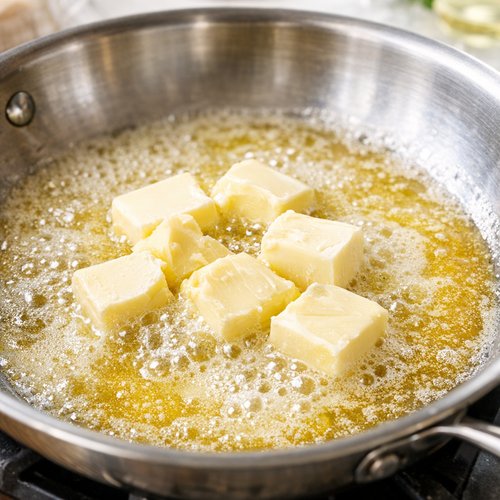
While your water heats and ravioli cook, grab a large skillet (12-inch is ideal) and add your butter over medium heat. This is crucial—medium heat, not high. Rushing this step with high heat will burn your butter rather than brown it. You want the milk solids to toast slowly and develop flavor.
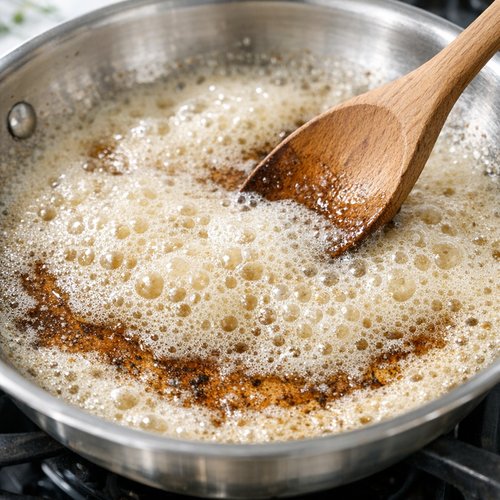
Watch the butter carefully. First, it will melt completely. This takes about 1 minute. Then it will begin to foam as the water content evaporates. This is normal and expected.
Step 3: Wait for the Magic
Continue cooking, stirring occasionally with a wooden spoon or silicone spatula. After about 2-3 minutes total, you’ll notice the foam starting to settle and the butter taking on color. Listen carefully—you’ll hear it shift from a quiet sizzle to a slightly deeper sound. The butter will move from pale yellow to light golden to deep amber.
Stop cooking when the butter smells distinctly nutty—this is the sensory cue that tells you you’re at the perfect moment. If you wait for it to turn very dark brown, you’ve gone too far. You want deep golden with those rich, hazelnut aromas. This whole process takes about 3-4 minutes depending on your stove.
Step 4: Add Sage and Pepper
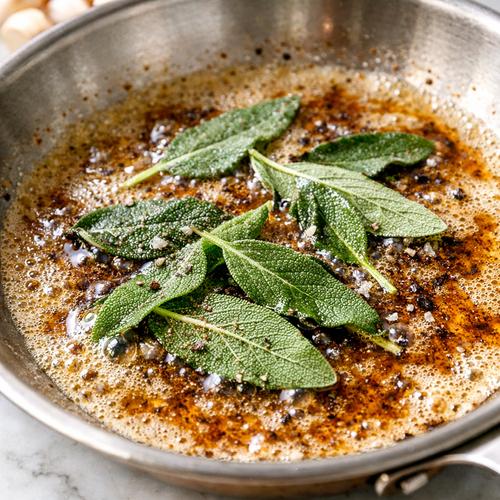
Remove the skillet from heat for just a moment. Add your fresh sage leaves directly to the brown butter. The residual heat will start to crisp them immediately. Add freshly ground black pepper—I use about ¼ teaspoon, but taste as you go because this is very personal. Some people love a generous crack of pepper; others prefer it subtle.
Return the skillet to medium heat and cook the sage in the butter for about 2 minutes, stirring gently. You want the sage leaves to become slightly crispy at the edges but still vibrant green. They’ll develop little crispy patches while staying tender enough to eat easily.
Step 5: Add Lemon Juice
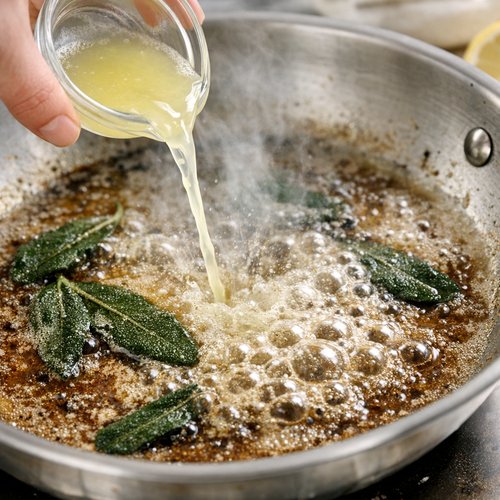
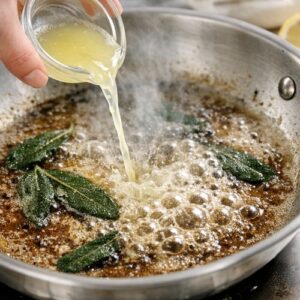
Once the sage looks perfect, add about ½ tablespoon of fresh lemon juice to the brown butter. It will sizzle dramatically—that’s exactly what should happen. The acid balances the richness of the butter and brings brightness to the whole dish. Stir gently to combine. Don’t skip this step—it’s what keeps brown butter from feeling heavy.
Step 6: Combine Ravioli with Brown Butter
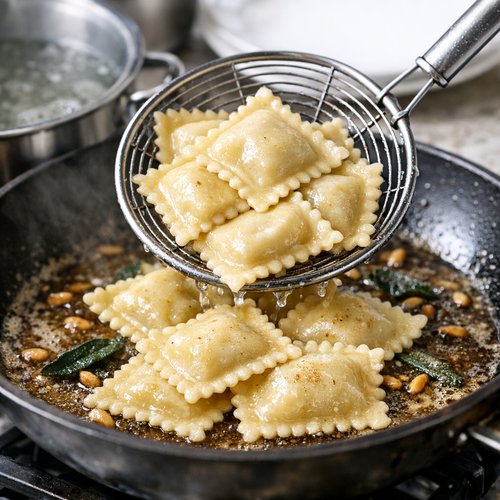
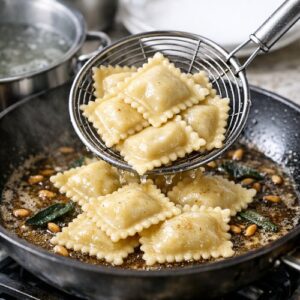
Your ravioli should be perfectly cooked by now. Using a slotted spoon or spider strainer, transfer the ravioli directly from the boiling water to your brown butter skillet. Reserve about ½ cup of pasta cooking water before draining anything—this starchy water is liquid gold for adjusting sauce consistency.
Gently toss the ravioli in the brown butter sauce, being careful not to break them. If the sauce seems too thick or if you want it to coat more thoroughly, add a splash of that reserved pasta water—just a couple tablespoons at a time—and toss gently.
Step 7: Plate and Finish
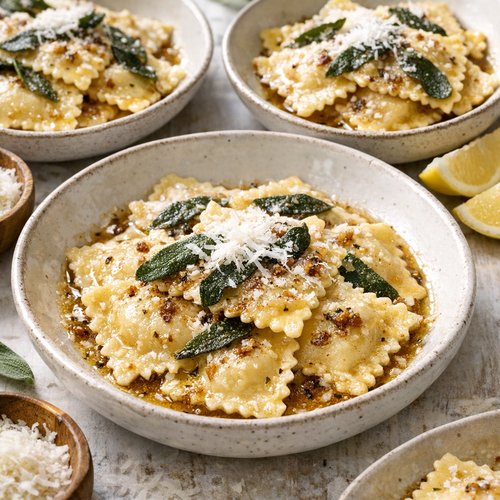
Divide the ravioli among four bowls or plates, making sure each serving gets plenty of that precious brown butter and sage. Top each portion with freshly grated Parmigiano Reggiano—about 2-3 tablespoons per serving. Add a final squeeze of fresh lemon juice over each plate and a light pinch more black pepper if you like.
Serve immediately while the ravioli are still warm and the butter is still glossy. This dish doesn’t wait well once plated, so have your guests ready before you plate.
Tips and Tricks
- Brown butter can burn quickly. If you’re nervous, go with medium-low heat and add a minute or two to the cooking time. Better to brown slowly than to burn. Once you’ve done it once, you’ll develop confidence and intuition.
- Sage leaves vary in size. If your sage leaves are very large, tear them in half so they cook evenly and distribute throughout the dish nicely.
- Fresh lemon makes a real difference. Bottled lemon juice will work in an emergency, but fresh juice adds brightness and complexity that bottled cannot match. If you’re buying one thing fresh for this recipe, make it the lemon.
- Use a good skillet. A heavy-bottomed skillet (stainless steel or cast iron) will brown butter more evenly than a thin, lightweight pan. Non-stick pans are harder to brown butter in effectively because you can’t see the color development as clearly.
- Grate your cheese fresh. This sounds fussy, but pre-shredded cheese contains anti-caking agents that prevent it from melting and coating smoothly. Fresh grating takes two minutes and transforms the dish. A microplane works beautifully here.
- Don’t skip the pasta water. The starch in pasta cooking water is what helps sauce cling to ravioli. If your sauce seems too thick, a splash of this water fixes it instantly without diluting flavors.
- Taste as you season. Brown butter + sage + lemon creates a fairly assertive flavor profile. Some people want more pepper; others want more lemon. Adjust based on your preferences before serving.
Expert’s Nutritional Tip: Understanding Fat in This Dish
As a registered dietitian, I want to address something I hear often: people worry that brown butter is “unhealthy.” Here’s the truth: butter is approximately 80% fat and 15% water and milk solids. When we brown butter, we’re simply removing the water and toasting those milk solids, which makes the fat more flavorful and concentrated.
The key here is portion and balance. This recipe uses 1.5 tablespoons of butter per person—that’s roughly 150 calories and 17 grams of fat per serving. Within a balanced meal that includes vegetables and whole grains, this is appropriate. The sage adds antioxidants; the lemon adds vitamin C; the cheese adds calcium and protein.
What matters nutritionally isn’t whether fat is present—it’s whether the overall meal is balanced and whether you’re eating it mindfully. Serving this with a side salad and whole grain bread creates a meal I’m genuinely comfortable recommending to my clients.
Make-Ahead Guide: Meal Prepping for the Week
I love this recipe for meal prep because you can prepare components ahead, even if the final assembly needs to happen fresh.
What you can do 1-2 days ahead: Brown your butter and add the sage completely. Store it in an airtight container in the refrigerator. When you’re ready to eat, gently reheat it over low heat (about 2 minutes) and proceed with adding lemon juice and ravioli.
What you should do fresh: Cook the ravioli and combine with brown butter right before eating. Ravioli that’s been sitting in sauce, even in the refrigerator, becomes gummy and loses its tender texture. The exception is if you’re storing leftovers—they’ll be fine cold and tossed with a bit of olive oil.
Freezer-friendly option: If you make homemade ravioli, prepare and freeze them unbaked on a sheet tray before transferring to freezer bags. They’ll keep up to 3 months and cook directly from frozen (just add a minute to cooking time).
Common Mistakes to Avoid
- Using too high heat for browning butter. High heat causes butter to burn rather than brown. Medium heat takes slightly longer but gives you the golden, nutty result you’re after. If you see dark brown, almost black particles, you’ve burned it and should start over.
- Adding sage too early. If you add sage when the butter is still foaming and sizzling intensely, it will brown too much and become bitter. Wait until the foam has mostly settled and the butter has taken on color before adding the sage.
- Overcooking the ravioli. This is the fastest way to ruin the dish. Overcooked ravioli becomes mushy and falls apart. Set a timer, start checking at the lower end of the cooking window, and remove them the moment they float.
- Forgetting the acid. Brown butter without lemon becomes heavy and one-dimensional. That squeeze of fresh lemon is what makes this dish sing. Don’t skip it thinking you’re being efficient—the lemon is crucial.
Seasonal Variations: Adapting Brown Butter Pasta Year-Round
Spring: Replace sage with fresh mint or tarragon. Add a handful of fresh peas or asparagus pieces to the brown butter just before adding ravioli. A touch of fresh dill works beautifully too.
Summer: Use basil instead of sage (add it just before serving so it doesn’t wilt completely into the butter). Add thin strips of fresh zucchini or cherry tomatoes halved. A pinch of fresh thyme rounds out the flavors.
Fall: Keep the sage but add crispy pancetta or prosciutto crumbled over the top. A touch of nutmeg (just a whisper) in the brown butter is lovely. Crispy sage leaves become even more appealing as temperatures drop.
Winter: Brown butter with sage is perfect as-is, but you can add toasted walnuts or pine nuts for texture and richness. A small splash of white wine added to the brown butter before the sage is sophisticated and warming.
Can I Store Brown Butter Ravioli?
Yes, with some caveats. Leftover ravioli in brown butter sauce will keep in the refrigerator for up to 2 days in an airtight container. The ravioli texture will soften somewhat because pasta absorbs moisture, but it’s still delicious served cold or reheated gently.
To reheat: Place leftovers in a skillet over low heat with a tiny splash of water or olive oil for about 2-3 minutes, stirring gently. This prevents sticking without further cooking the ravioli.
Don’t freeze assembled ravioli in brown butter sauce—the texture becomes unpleasant. However, you can freeze cooked ravioli separately and brown butter separately, then combine fresh when you want to eat.
If you made homemade ravioli and cooked them for this dish, eat them within two days. The filling can become watery if stored too long once cooked.
Nutrition Information
Based on USDA nutritional data for one serving (¼ of recipe):
- Calories: 385
- Protein: 14 grams (from cheese and pasta)
- Fat: 17 grams (mostly from butter)
- Carbohydrates: 48 grams (from ravioli pasta)
- Fiber: 1 gram
- Sodium: 640 mg (from pasta water, cheese, and butter)
- Calcium: 280 mg (from Parmigiano Reggiano)
This is a complete meal nutritionally—it provides carbohydrates for energy, protein for satiety and muscle maintenance, and fat for nutrient absorption and flavor. The herbs add polyphenols and antioxidants. If you’re concerned about sodium, use unsalted butter and reduce added salt where possible in the rest of your day.
What Can I Serve With Brown Butter Ravioli?
This dish is elegant enough to stand alone, but I love pairing it with sides that complement the richness without competing for attention.
- A crisp green salad with lemon vinaigrette. The acidity and fresh vegetables balance the richness of the brown butter perfectly. Use any greens you have—arugula, spinach, mixed baby greens all work beautifully. The slight bitterness of greens against the nutty butter is genuinely sophisticated.
- Roasted vegetables. Cherry tomatoes, Brussels sprouts, or broccoli roasted with olive oil and salt provide texture and nutrition without heaviness. The vegetables’ slight char plays nicely against the brown butter’s richness.
- Crusty bread. Warmed crusty bread is perfect for soaking up any brown butter that remains on the plate. A drizzle of good olive oil on the bread, maybe a rub with garlic, makes this rustic and deeply satisfying. If you’re making this meal more casual, bread is almost essential.
- Steamed or roasted asparagus. Spring or year-round, asparagus is the vegetable I think of with brown butter pasta. A light lemon squeeze on the asparagus echoes the lemon in your ravioli sauce. This pairing feels inherently elegant.
- A simple protein addition. If you want to make this more of a main course with leftovers, consider adding seared chicken breast, pan-seared salmon, or crispy pancetta to the mix. Each adds different nutrition and substance while remaining compatible with the brown butter flavor profile.
For a complete Italian-inspired meal, consider pairing this with Baked Beans Recipe on the Stovetop as a hearty side or my go-to banana bread for dessert if you’re planning a full meal for guests.
Substitutes
- Different pasta shapes: Use fettuccine, tagliatelle, pappardelle, or any long pasta. Brown butter sauce clings beautifully to almost any shape. Even short pasta like penne or rigatoni works well—brown butter settles into the ridges and cavities.
- Herb alternatives: Fresh thyme, rosemary, oregano, or marjoram all brown beautifully in butter. I’ve also used a combination of parsley and basil. The key is using fresh, aromatic herbs that can handle a bit of heat.
- Cheese options: Pecorino Romano, Grana Padano, aged Asiago, or even aged cheddar provide that salty, sharp quality that Parmigiano Reggiano brings. Fresh goat cheese crumbled on top at the end is a lovely variation too.
- Citrus alternatives: If you don’t have lemon, fresh lime juice works beautifully, especially if you’re using herbs like cilantro or Thai basil. White wine vinegar added sparingly (start with ¼ teaspoon) provides acid without citrus flavors.
- Ravioli filling variations: Any ravioli filling works here—butternut squash, mushroom, meat, spinach, lobster. The brown butter sauce is complementary to virtually all traditional ravioli fillings. Match your herbs to your filling: sage with pumpkin, thyme with mushroom, oregano with meat.
- Butter alternative: For dairy-free adaptation, use ghee (clarified butter) which browns beautifully, or use high-quality olive oil, though you’ll lose the nutty brown butter flavor that defines this dish. The olive oil version is more of a different recipe, but it’s still good.

Brown Butter Ravioli Recipe
Ingredients
Method
- Fill a large pot with salted water and bring it to a rolling boil. The water should taste like the sea—this seasons your pasta from the inside out. Once boiling, add your ravioli gently and stir occasionally to prevent sticking. Fresh ravioli takes 3-4 minutes; frozen takes 4-5 minutes; store-bought refrigerated takes 2-3 minutes. You'll know they're done when they float to the surface and stay there for about one minute. Don't overcook them—ravioli texture suffers quickly once it passes that window.
- While your water heats and ravioli cook, grab a large skillet (12-inch is ideal) and add your butter over medium heat. This is crucial—medium heat, not high. Rushing this step with high heat will burn your butter rather than brown it. You want the milk solids to toast slowly and develop flavor. Watch the butter carefully. First, it will melt completely. This takes about 1 minute. Then it will begin to foam as the water content evaporates. This is normal and expected.

- Continue cooking, stirring occasionally with a wooden spoon or silicone spatula. After about 2-3 minutes total, you'll notice the foam starting to settle and the butter taking on color. Listen carefully—you'll hear it shift from a quiet sizzle to a slightly deeper sound. The butter will move from pale yellow to light golden to deep amber. Stop cooking when the butter smells distinctly nutty—this is the sensory cue that tells you you're at the perfect moment. If you wait for it to turn very dark brown, you've gone too far. You want deep golden with those rich, hazelnut aromas. This whole process takes about 3-4 minutes depending on your stove.

- Remove the skillet from heat for just a moment. Add your fresh sage leaves directly to the brown butter. The residual heat will start to crisp them immediately. Add freshly ground black pepper—I use about ¼ teaspoon, but taste as you go because this is very personal. Some people love a generous crack of pepper; others prefer it subtle. Return the skillet to medium heat and cook the sage in the butter for about 2 minutes, stirring gently. You want the sage leaves to become slightly crispy at the edges but still vibrant green. They'll develop little crispy patches while staying tender enough to eat easily.

- Once the sage looks perfect, add about ½ tablespoon of fresh lemon juice to the brown butter. It will sizzle dramatically—that's exactly what should happen. The acid balances the richness of the butter and brings brightness to the whole dish. Stir gently to combine. Don't skip this step—it's what keeps brown butter from feeling heavy.
- Your ravioli should be perfectly cooked by now. Using a slotted spoon or spider strainer, transfer the ravioli directly from the boiling water to your brown butter skillet. Reserve about ½ cup of pasta cooking water before draining anything—this starchy water is liquid gold for adjusting sauce consistency. Gently toss the ravioli in the brown butter sauce, being careful not to break them. If the sauce seems too thick or if you want it to coat more thoroughly, add a splash of that reserved pasta water—just a couple tablespoons at a time—and toss gently.
- Divide the ravioli among four bowls or plates, making sure each serving gets plenty of that precious brown butter and sage. Top each portion with freshly grated Parmigiano Reggiano—about 2-3 tablespoons per serving. Add a final squeeze of fresh lemon juice over each plate and a light pinch more black pepper if you like. Serve immediately while the ravioli are still warm and the butter is still glossy. This dish doesn't wait well once plated, so have your guests ready before you plate.

Notes
FAQs
Can I make this dish vegan?
Technically, you can replace butter with vegan butter and use nutritional yeast or plant-based parmesan, but I’ll be honest—this dish really relies on real butter and cheese for its appeal. The whole point is those deep, nutty butter flavors and the umami from Parmigiano Reggiano. If you’re vegan, I’d suggest making a pasta dish with different foundational flavors rather than trying to replicate this one without its key components. That said, if you want to try it with vegan alternatives, use a good-quality vegan butter with a high fat content and brown it slowly—some brands brown better than others.
My brown butter burned. Did I ruin it?
If it turned very dark brown or black with a burnt smell, yes, start over. Burnt butter tastes acrid and bitter and won’t save the dish. The good news is butter is cheap and browning it is quick. Your second attempt will be successful because now you know what to look and listen for. If your butter is just a darker golden than you expected but smells toasty and nutty, it’s fine—go ahead and use it. Brown butter varies slightly batch to batch depending on butter composition and stove heat.
Can I make this ahead and reheat it?
The brown butter and sage can be made ahead and refrigerated in an airtight container for up to 2 days. Reheat gently over low heat—about 2-3 minutes. Cook your ravioli fresh when you’re ready to eat. Reheating assembled ravioli in brown butter sauce isn’t ideal because the ravioli texture suffers. If you have leftovers, store ravioli and sauce separately and combine gently when reheating.
What if I can’t find fresh sage?
Dried sage works—use about 1 teaspoon for the 20-25 leaves called for in the recipe. Add it directly to the brown butter and cook gently for about 1 minute. Dried sage is more concentrated in flavor, so a little goes a long way. Alternatively, use fresh thyme, rosemary, or oregano, or a combination of dried Italian herbs. Fresh herbs are preferable if you can find them, even if it’s not sage specifically.
Is brown butter healthier than regular butter?
Brown butter is not inherently “healthier”—it’s the same fat content and calories as regular butter. What changes is the flavor and how we use it. Because brown butter has such concentrated, nutty flavor, we typically use less of it than we would of regular butter to achieve the same satisfying result. In this recipe, 1.5 tablespoons per person is enough because the flavor is so developed. With regular butter, you might add more trying to get that depth of flavor. So the benefit is more about using less fat to achieve more satisfaction, which is a legitimate nutritional advantage from a practical standpoint.
Can I double this recipe?
Absolutely. Double all ingredients and use a larger skillet (14-16 inches) to ensure everything browns evenly and fits comfortably. Brown the butter in the same amount of time—it won’t take proportionally longer if you have enough surface area. If you’re cooking for eight people regularly, this is a great dinner party dish because most of the work happens in the skillet and you can plate all four portions before starting the next batch if needed.
More Recipes You’ll Love
- Baked Creamy Chicken Recipe – Pairs beautifully as a protein alongside brown butter ravioli for a complete meal.
- Buffalo Wings Recipe – For a different weeknight dinner that’s equally budget-friendly and satisfying.
- Baked Chimichangas Recipe – Another affordable, impressive dish that proves restaurant-quality meals don’t require expensive ingredients.
Final Thoughts: Elegance Doesn’t Require Expense
I hope this recipe shows you what I’ve learned throughout my career as a dietitian and my life in the kitchen: the best meals come from understanding technique, respecting your ingredients, and cooking with intention—not from complicated recipes or expensive shopping trips.
Brown butter ravioli is a meal I make when I’m tired and need something that tastes like I care deeply about myself and anyone I’m feeding. It’s affordable enough for a Tuesday night alone and elegant enough for guests you want to impress. It teaches you a fundamental cooking skill—browning butter—that opens doors to hundreds of other dishes.
Make this, taste what happens when you slow down and pay attention, and discover that the best food doesn’t have to be complicated or expensive. Don’t forget to mention @affordablefoodideas if you try this recipe! I’d love to see how you make it your own.