
This post contains affiliate links. As an Amazon Associate I earn from qualifying purchases.
This creamy asparagus pasta has become one of my go-to weeknight dinners, and I love how it pairs beautifully with a simple green salad or roasted vegetables on the side. If you’re looking for other elegant yet budget-friendly pasta options, you might also enjoy my Aglio and Olio Recipe, which celebrates simplicity in the same way this dish does.
When Spring Greens Meet Comfort Food
I grew up in a small town where my mother would transform whatever was in season into something magical at our family table. I remember one April evening when asparagus was just starting to appear at our local farmer’s market—those tender spears, still wet with morning dew, for just a few dollars a bunch. Mom had a philosophy: the best meals don’t need to be complicated or expensive; they just need to highlight fresh ingredients with respect and care.
Years later, after completing my dietitian credentials, I realized that philosophy had shaped everything I believe about nourishing people well. This asparagus pasta recipe is exactly that—a celebration of one beautiful seasonal ingredient prepared simply, affordably, and in a way that makes everyone at the table feel like they’re eating something special.
The magic happens when fresh asparagus meets a silky cream sauce and bright lemon. It’s elegant enough for company, but practical enough for a Tuesday night. And here’s what I love most: the entire meal comes together in about 20 minutes for under eight dollars per serving.
What is Asparagus Pasta Recipe?
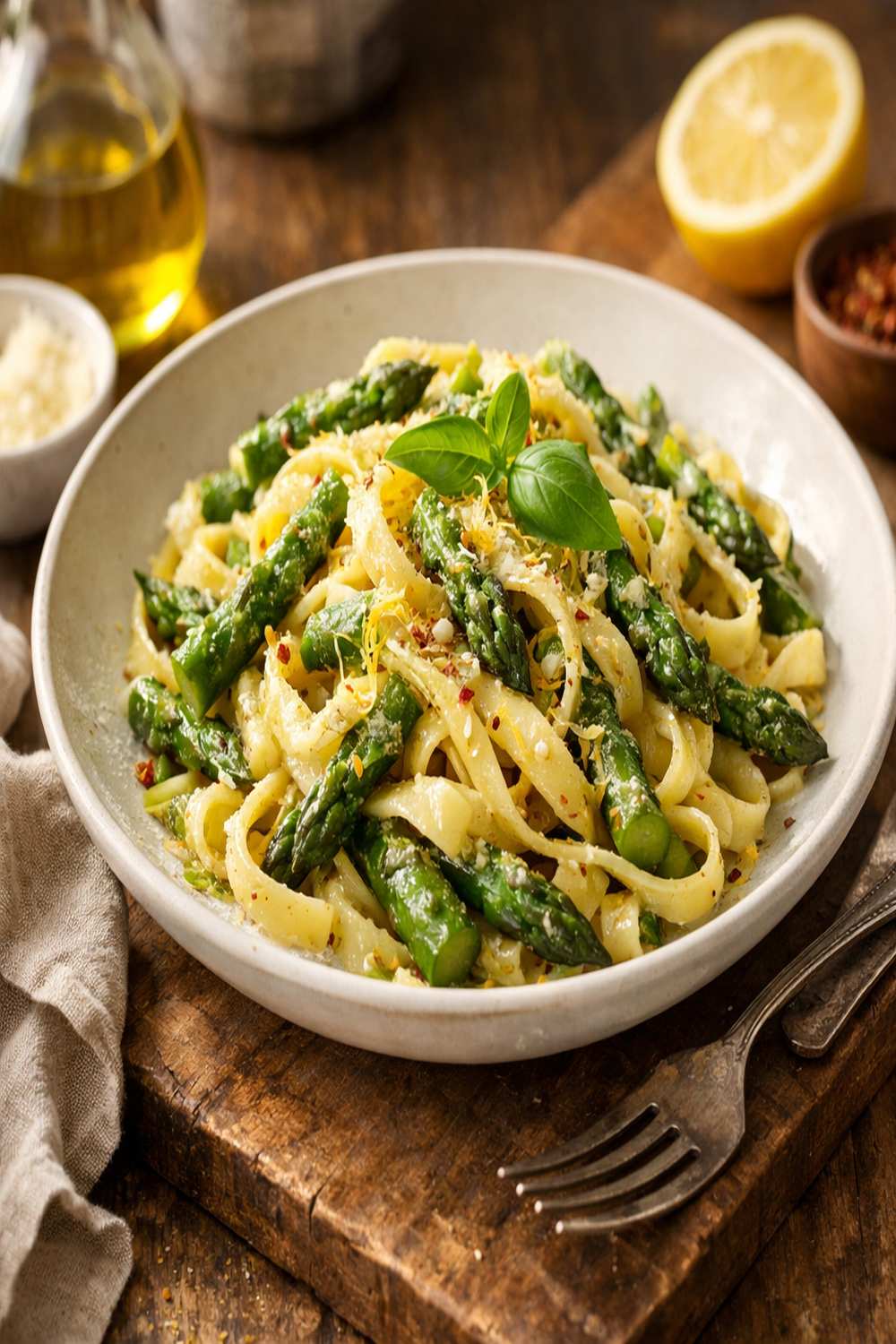
Asparagus pasta is an Italian-inspired dish that brings together tender pasta with sautéed asparagus in a light, luxurious cream sauce brightened by fresh lemon. It’s not heavy or overdone—instead, it lets the asparagus be the star while the sauce provides just enough richness to make it feel indulgent without being overwhelming.
This recipe draws from Northern Italian cooking traditions, where simple, seasonal ingredients are treated with respect rather than masked by heavy flavors. The combination of butter, cream, and lemon creates what I call “restaurant-quality on a home budget.” The lemon zest adds a sophisticated touch that costs pennies but tastes like you spent time fussing in the kitchen.
What makes this version special is that it’s genuinely quick without sacrificing flavor or nutrition. The asparagus stays tender-crisp rather than mushy, and the sauce coats each strand of pasta beautifully. There’s no cream simmering for hours or complicated techniques—just quality ingredients treated simply.
Why You’ll Love This Asparagus Pasta Recipe
- Ready in under 20 minutes – From the time you start boiling water to sitting down with a steaming bowl, this meal happens fast. Perfect for weeknights when you’re tired and hungry but won’t compromise on health.
- Naturally nutrient-dense – Asparagus is loaded with folate, vitamins A, C, and K, plus fiber. You’re getting serious nutritional benefits without feeling like you’re eating a “diet food.” This tastes indulgent because it should.
- Genuinely affordable – At farmers markets or grocery store sales, asparagus costs just a couple dollars a pound. The entire dish, including pasta and pantry staples, comes to about two to three dollars per person. That’s less than most takeout.
- Flexible for dietary needs – The recipe adapts easily for dairy-free eating, different pasta preferences, or vegetable swaps. No special shopping required beyond the asparagus.
- Beautiful enough for guests – This isn’t a hidden-at-home recipe. Serve it at dinner parties and people will assume you’ve spent hours cooking. The presentation is naturally elegant because fresh asparagus is gorgeous.
- Makes excellent leftovers – Unlike some pasta dishes that get heavy sitting in the fridge, this one reheats beautifully and actually tastes fresh the next day with a squeeze of fresh lemon juice.
The Ingredients
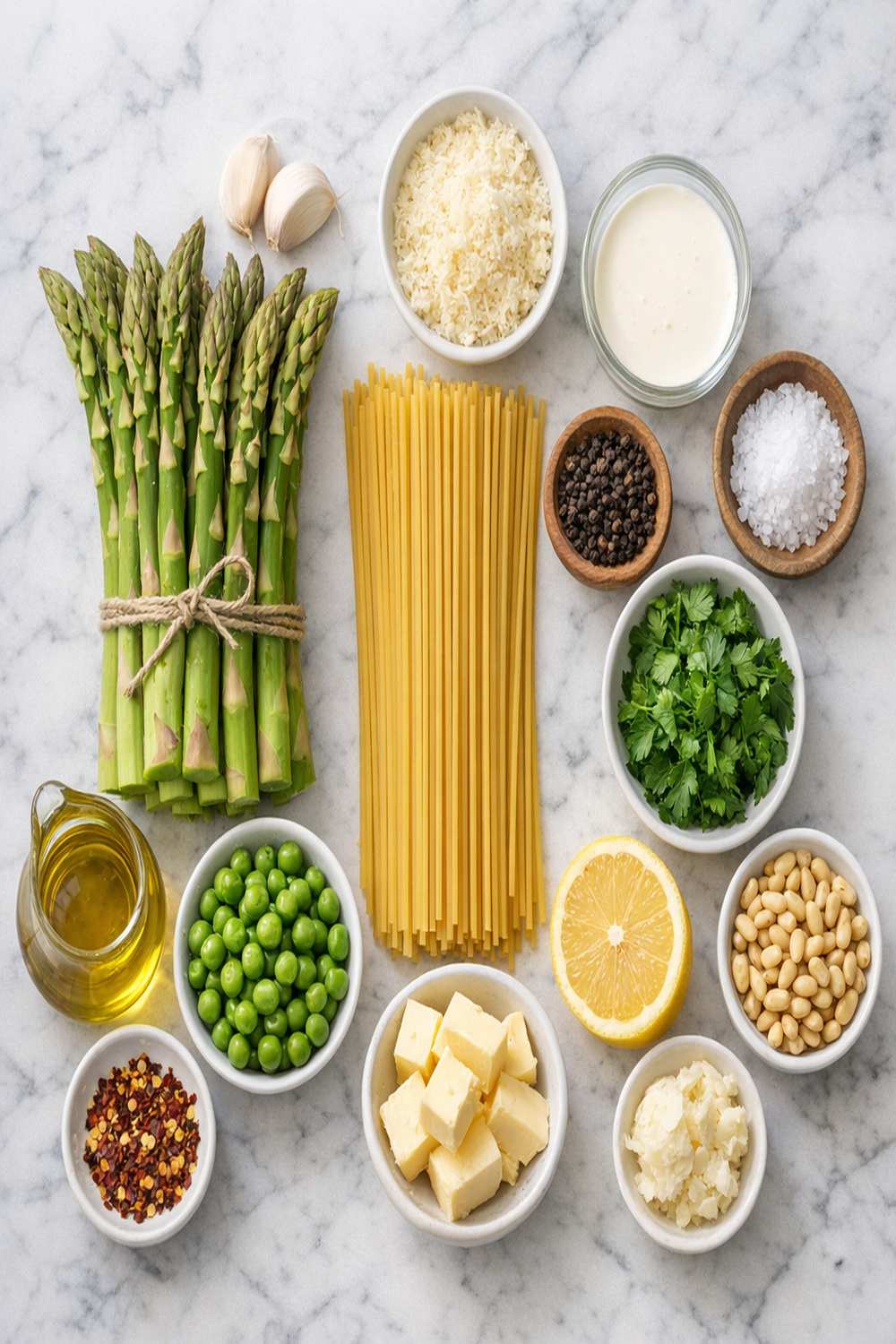
I’ve kept this ingredient list intentionally short because that’s where the real beauty lives. Each ingredient has a job—there’s nothing here just to fill space. Before you shop, I want to mention that every single item on this list can be swapped if needed, and I’ll give you those budget-friendly alternatives. This recipe makes about 4 servings with generous portions, or 6 lighter servings if you’re serving it alongside a salad.
- 4 ounces crème fraîche or sour cream (mascarpone cheese, cream cheese, or even Greek yogurt stretched with a tablespoon of milk works)
- Fresh garlic, 2 small cloves minced (optional addition that gives deeper flavor for just pennies)
- 3 tablespoons finely grated Parmesan cheese (the kind you grate yourself tastes better and costs less)
- 1 tablespoon salted butter (or unsalted butter plus a small pinch of sea salt)
- 8 ounces any pasta shape (spaghetti, penne, or fettuccine all work beautifully)
- 1 organic lemon (you’ll need the zest of 1 whole lemon plus about 2 teaspoons fresh juice)
- 1 pound fresh green asparagus (use a bit more if you absolutely love asparagus, it’s that affordable)
- ¼ to ½ teaspoon freshly ground black pepper (freshly ground makes a real difference here)
- 2 tablespoons extra virgin olive oil (optional, but adds beautiful richness if you have it)
- Salt to taste (don’t add much—the pasta water and cheese are already salty)
How to Make Asparagus Pasta Recipe?
I’m walking you through this step-by-step, including the little details that make the difference between good pasta and restaurant-quality pasta. The timing is tight, but the steps are simple—you’re basically doing three things at once, and that’s what makes this so quick. Read through everything once before you start so nothing surprises you.
Step 1: Prepare Your Asparagus Properly
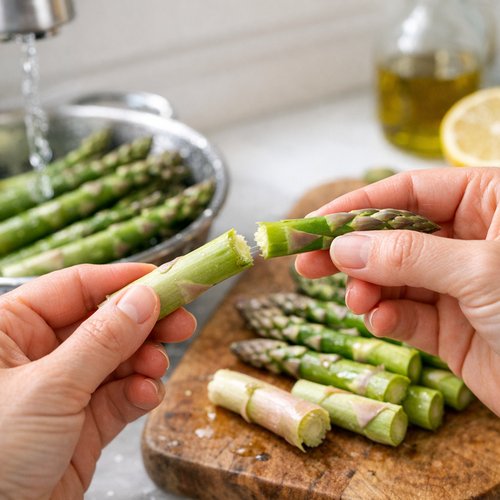
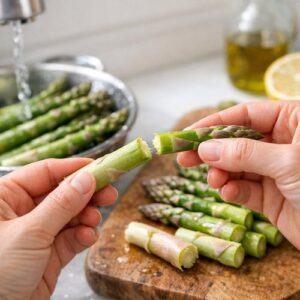
Start by rinsing each asparagus spear under cool water. Hold the bottom third of each spear and gently bend it—it will naturally snap at exactly the point where the tender part meets the woody, fibrous part. This is foolproof and means you won’t accidentally throw away good spear or force yourself to chew through tough ends.
For the thicker spears (the bottom third), use a vegetable peeler to remove that papery outer skin. I know this sounds fussy, but trust me—those tender inner layers cook perfectly while the outer skin stays tough. Takes about 30 seconds total. Cut the asparagus on a diagonal into roughly ⅓-inch thick slices, but leave the tips whole and about 2 to 3 inches long. Those tips are the prettiest part of the plate—you want them to stay intact.
Step 2: Get Your Water Boiling and Cook the Pasta
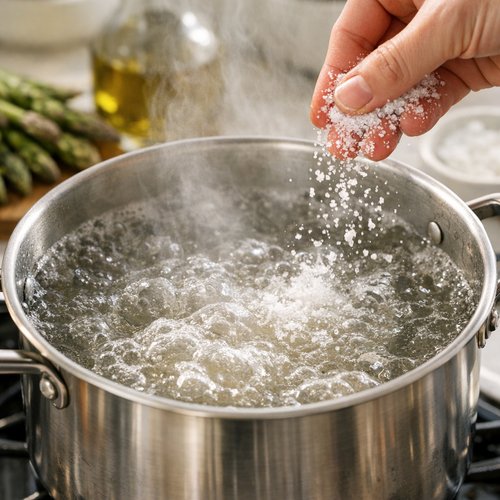
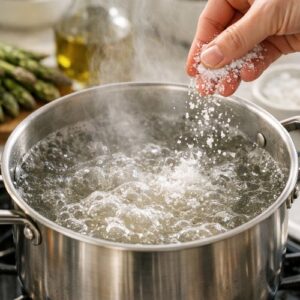
Fill a large pot with cold water, add a generous handful of salt (the water should taste like the sea), and bring it to a rolling boil. The salt is important—this is the only place your pasta gets seasoned, so don’t skip it. Add your pasta and cook according to the package instructions, but check it about a minute before the suggested time. You want it al dente—tender but still with a tiny bit of resistance when you bite it. Fresh pasta and dried pasta have different timing, so follow what your package says.
While the pasta cooks, set a colander in your sink and grab a mug or measuring cup. You’re going to need about ½ cup of that starchy pasta cooking water—don’t drain it all away. This starch is liquid gold for making creamy sauce.
Step 3: Sauté the Asparagus While Pasta Cooks
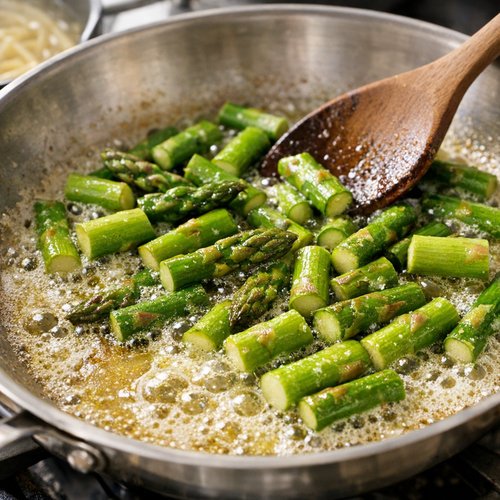
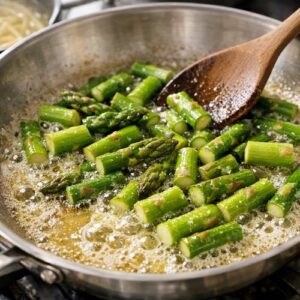
While the pasta is cooking (and you have about 8 to 10 minutes), melt the butter in a large, wide skillet over medium heat. Once the butter is foaming and smells nutty, add your chopped asparagus pieces (not the tips yet—just the cut spears). Sauté for about 4 to 5 minutes, stirring occasionally, until the asparagus starts to turn bright green and is just barely tender.
About halfway through, add half of your lemon zest to the pan and stir it through. This infuses the butter with bright flavor. If you have those optional minced garlic cloves, add them now too—they’ll soften beautifully in the warm butter. The whole pan should smell incredible at this point.
Step 4: Drain the Pasta and Set Aside
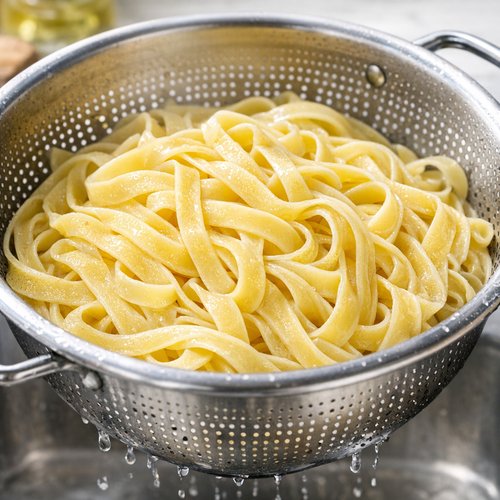
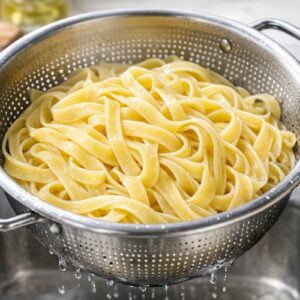
When the pasta is perfectly al dente, drain it in your colander but don’t rinse it. Leave a thin coating of starch on each piece—this helps the sauce cling. Pour that reserved cooking water into your mug and set it aside. Let the drained pasta sit in the colander while you make the sauce. It won’t get cold in the next 2 minutes, and this keeps it from sticking together.
Step 5: Build Your Cream Sauce
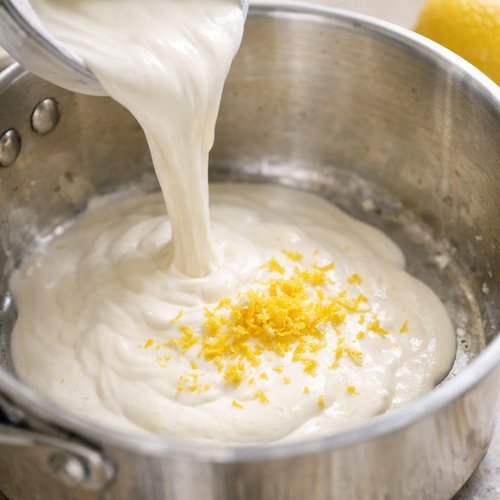
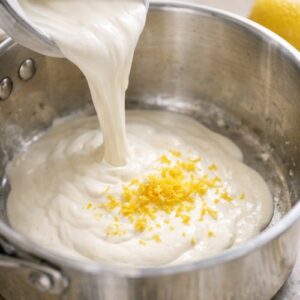
Pour the crème fraîche (or your substitute) directly into the empty pasta pot. Add the remaining lemon zest (save just a tiny pinch for garnish) and your freshly ground black pepper. Set the pot over medium-low heat and stir constantly until the crème fraîche becomes smooth and liquid, about 2 to 3 minutes. It should look glossy and move easily when you tilt the pot.
Now here’s the important part: add the starchy pasta water one tablespoon at a time while stirring. This is how you create a silky, restaurant-quality sauce that clings to every strand of pasta. Add too much water at once and the sauce breaks—the fat separates and it becomes grainy. Work slowly. After about 3 to 4 tablespoons, you should have a sauce the consistency of heavy cream.
Add the grated Parmesan cheese and stir it in thoroughly. Taste the sauce and add just a tiny pinch of salt if needed. Remember, you have salty pasta water and salty cheese, so you probably won’t need much. If the sauce feels too thick, add one more tablespoon of pasta water.
Step 6: Finish the Asparagus and Combine Everything
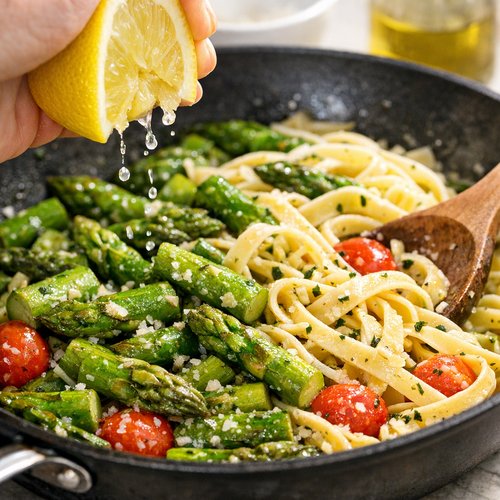
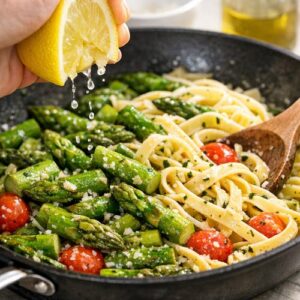
Squeeze about 2 teaspoons of fresh lemon juice over the asparagus in your skillet and give it a good stir. The acidity brightens everything. Add the reserved asparagus tips to the pan now so they heat through gently—about 1 to 2 minutes. They should be tender-crisp, not soft.
Add the drained pasta and most of the asparagus pieces (save those pretty tips for the top) to the pot with your cream sauce. Toss everything together over medium heat for about 1 minute, making sure the pasta is completely coated. The pasta should glide through the sauce smoothly.
Step 7: Plate and Garnish
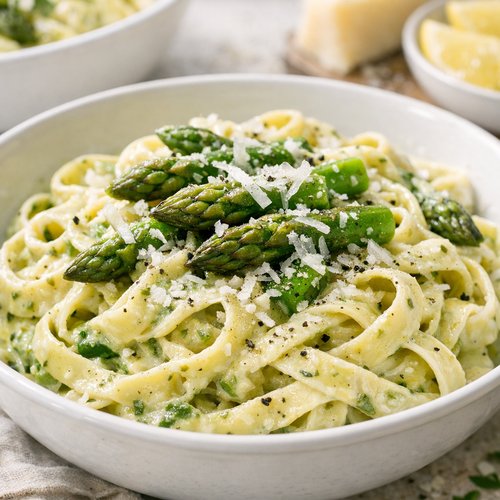
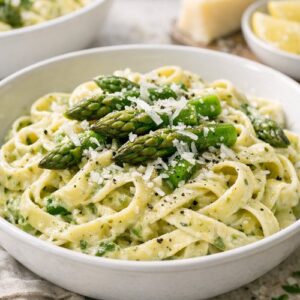
Divide the creamy asparagus pasta among bowls or plates. Top each portion with a few of those reserved asparagus tips, a small shower of Parmesan, a few grinds of fresh black pepper, and just a whisper of that lemon zest you saved. A drizzle of extra virgin olive oil is beautiful if you have it, but completely optional.
Serve immediately while everything is hot and the sauce is silky. This is a dish that doesn’t wait—it’s best enjoyed right away.
Expert’s Nutritional Tip
As a registered dietitian, I want to highlight something that excites me about this recipe: asparagus is one of the few vegetables that’s an excellent source of folate, which most people don’t get enough of in their diet. Just one pound of asparagus gives you about 70% of your daily folate needs. Folate is crucial for DNA synthesis, cell division, and energy metabolism—especially important if you’re pregnant, nursing, or trying to conceive.
What’s even better? The fat in the butter and cream helps your body absorb the fat-soluble vitamins in asparagus, like vitamin K and beta-carotene. This is why eating asparagus with fat isn’t indulgent—it’s actually smarter nutrition. Your body uses the meal more efficiently than if you steamed the asparagus alone.
Make-Ahead Guide
I know weeknight cooking is hectic, so let me give you ways to make this even easier. You can prepare components ahead, though I recommend cooking everything fresh for the best texture and flavor.
- Prep the asparagus the morning of – Wash, snap, peel (if needed), and cut your asparagus. Store it in an airtight container in the refrigerator for up to 2 days. This takes 5 minutes and makes evening cooking feel less overwhelming.
- Zest your lemon ahead – I always zest citrus as soon as I bring it home and store the zest in a small glass container in the fridge. It keeps well for up to a week and having it ready means one fewer step during cooking.
- Cook pasta earlier in the day – If you absolutely need to, you can cook the pasta a few hours ahead. Toss it with a tiny drizzle of olive oil to prevent sticking and keep it in a container at room temperature. When you’re ready for dinner, reheat it briefly in the simmering sauce rather than cooking fresh pasta.
- Make the sauce components ready – Have your crème fraîche, lemon juice, Parmesan, and pasta water measured out before you start cooking. This is mise en place, and it’s the difference between feeling calm and feeling rushed.
Tips and Tricks
- Choose thicker asparagus when possible – I know thin asparagus looks delicate, but thicker spears (about pencil-width or thicker) have better flavor and are easier to peel. Thin spears turn mushy quickly. Buy what looks fresh and vibrant green, not pale or wrinkled.
- Use fresh lemon, never bottled juice – This one matters more here than in almost any other recipe because lemon is the signature flavor. Bottled juice tastes metallic and flat by comparison. A fresh lemon costs 50 cents and transforms this dish.
- Don’t skip zesting the lemon – The zest has intense, bright flavor with none of the sourness of juice. It’s what makes this taste sophisticated rather than just creamy. Zest directly over the pan or plate so none of that precious oil gets lost.
- Taste as you go – Cream sauces are forgiving, but everyone’s crème fraîche, Parmesan, and pasta water is slightly different. Taste after adding each major component and adjust seasoning accordingly. This takes 10 seconds and prevents oversalting.
- Keep the heat at medium or lower – High heat breaks cream sauces and makes them grainy. Work slowly, stir frequently, and you’ll have a silky sauce every single time.
- Reserve more pasta water than you think you’ll need – If your sauce gets too thick before you finish (this sometimes happens if you’re going slowly, which is actually good), you can thin it with another tablespoon of that starchy water. It’s easier to add than to remove.
Common Mistakes to Avoid
After making this recipe dozens of times and teaching it to others, I’ve noticed four mistakes that happen most often. Knowing about them means you’ll avoid them.
- Overcooking the asparagus – The biggest mistake is treating asparagus like it needs 10 minutes. It doesn’t. Four to five minutes for the chopped pieces and just 1 to 2 minutes for the tips is perfect. Overcooked asparagus is mushy and loses that bright flavor and beautiful color. Taste a piece to check—it should snap slightly when you bite it.
- Adding cold pasta to the hot sauce – If your pasta cools down before the sauce is ready (which happens if you’re working slowly), the pasta won’t absorb the sauce properly and everything stays separate rather than becoming cohesive. Keep that colander nearby and only drain the pasta when you’re ready to combine everything. Room temperature or slightly warm pasta works fine.
- Rushing the cream sauce – Dumping all the pasta water in at once is the number one way to break a cream sauce. I know it’s tempting to hurry, but seriously, take 2 extra minutes here. Stir, add a tablespoon, wait 10 seconds, repeat. This discipline pays off in silky, gorgeous sauce.
- Not seasoning the pasta water – If your final dish tastes flat even though you followed everything exactly, it’s usually because the pasta water wasn’t salted enough. The water should taste like the sea—salty enough that you’d definitely notice it if you took a sip. This is your only seasoning opportunity for the pasta itself.
Seasonal Variations
One of my favorite things about this recipe is how it adapts to what’s in season. The base technique stays exactly the same, but you can feature different vegetables throughout the year.
- Spring (April-May) – This is peak asparagus season, so stick with the classic version. Add fresh peas if you can find them—about ½ cup stirred in with the asparagus at the end makes it even more spring-like.
- Early Summer (June) – Swap half the asparagus for thin green beans, or use just green beans if asparagus season is ending. The technique is identical, and green beans have a similar texture and brightness.
- Summer (July-August) – Use fresh corn kernels instead of asparagus. Add about 1 cup of corn kernels directly to the sauce with the Parmesan. The sweetness of summer corn against the tang of lemon is beautiful.
- Fall (September-October) – Fresh Brussels sprouts, halved and sautéed until golden, bring an earthier flavor. They take a few minutes longer to cook (about 7 to 8 minutes total), so adjust your timing. Keep the lemon for brightness—it’s still essential.
- Winter (November-February) – Use broccoli florets or tender kale, adding a bit of garlic to the butter. Winter vegetables need slightly longer cooking (6 to 7 minutes) and benefit from that garlic warmth. The lemon is still your secret weapon for brightness.
Can I Store Asparagus Pasta Recipe?
Yes, and it’s actually one of the best things about this recipe. Unlike many cream pasta dishes that get heavy and cloying the next day, this one stays fresh-tasting because of all the lemon.
Store leftovers in an airtight container in the refrigerator for up to 3 days. The sauce may thicken slightly as it sits because the starch absorbs liquid—that’s completely normal and actually not a problem. When you’re ready to reheat, place the pasta in a pan over medium-low heat and add a tablespoon or two of water or stock like you would for other pasta dishes. Stir gently for 2 to 3 minutes until it loosens up and everything is hot.
Or honestly, I often eat this cold the next day with a squeeze of fresh lemon juice and maybe a small drizzle of olive oil. It’s delicious as a light lunch.
Freeze it only if you absolutely must—the cream sauce doesn’t freeze and reheat beautifully. Pasta gets mushy after thawing. If you’re meal prepping, I’d recommend making the components separately rather than the finished dish, then combining them fresh.
Nutrition Information
Based on USDA nutritional data for these ingredients, each serving (assumes 4 servings total) contains approximately 320 calories, 12 grams protein, 28 grams carbohydrates, 18 grams fat, and 4 grams dietary fiber.
The fiber comes primarily from the asparagus and pasta, making this more satisfying than it might seem. The protein comes from both the Parmesan cheese and the pasta itself. This is a macronutrient-balanced meal that keeps you full without being heavy—exactly what a good dinner should do.
Asparagus brings the real nutritional magic here: it’s rich in folate, vitamins A, C, and K, and contains compounds that support heart health. The lemon provides additional vitamin C and aids mineral absorption. It’s genuinely one of the most nutrient-dense pasta meals you can make, and that matters to me as someone who believes healthy eating should taste this good.
What Can I Serve With Asparagus Pasta Recipe?
This dish is rich and satisfying, so it needs light accompaniments rather than heavy sides. I think of it as the main event rather than something you need to bulk up.
- Simple green salad – Just mixed greens, a bit of red onion, and a simple lemon vinaigrette. The salad’s acidity complements the rich pasta beautifully and adds freshness to the plate.
- Crusty bread for sauce – This is not fancy, but it’s real. A slice of good bread for soaking up any extra sauce feels indulgent and makes sure nothing is wasted. Toast it if you have time.
- Roasted vegetables – If you’re feeding a crowd and want more substance, roast some cherry tomatoes, zucchini, or bell peppers alongside dinner. Keep them simple—just toss with olive oil, salt, and pepper at 425°F for 20 to 25 minutes.
- Steamed or sautéed greens – A small side of garlicky spinach or sautéed kale adds color and nutrition without competing with the pasta. This is what I usually do when I’m eating alone because it feels complete but not heavy.
- Light appetizer – If this is a dinner party, serve a small appetizer beforehand so people aren’t too hungry when they sit down. Keep it light—maybe something simple like crudités or a light bruschetta.
Substitutes
- Crème fraîche alternatives – If you can’t find crème fraîche, use mascarpone cheese (slightly richer but works beautifully), cream cheese (regular or whipped), sour cream (more tang, which I actually love), or even Greek yogurt mixed with a tablespoon of milk (lighter but still creamy). All work. The texture might vary slightly, but the flavor and comfort level stay excellent.
- Pasta type – Any pasta works here. I use spaghetti most often because it’s what I usually have, but fettuccine is stunning because the wider noodles hold more sauce. Penne, rigatoni, or even small pasta shapes like orzo work. The only pasta I’d avoid is filled pasta like ravioli—the filling competes with the delicate asparagus flavor.
- Butter – Use olive oil if you prefer—about 1 tablespoon. The flavor is slightly different (more grassy, less rich), but it works. You could also use a combination of butter and oil if you want the best of both. Don’t use margarine; just use good butter.
- Lemon – If you genuinely don’t have lemon, use lime (slightly more intense flavor, but beautiful) or even a splash of white wine vinegar (about 1 teaspoon). The brightness is what matters; the exact citrus is flexible.
- Asparagus – Green beans, sugar snap peas, thin broccoli florets, or fresh peas all work with the exact same technique. Choose what looks best at your market or what you have on hand. The recipe is really about the technique, not the specific vegetable.
- Parmesan cheese – Pecorino Romano is slightly sharper but equally delicious. You could use Gruyère for a nuttier flavor. Use what you have. The grated, hard cheeses are best because they incorporate smoothly into the sauce.
- Heavy cream instead of crème fraîche – Use ⅓ cup heavy cream combined with 1 tablespoon of sour cream or Greek yogurt to mimic the tang of crème fraîche. Or use plain heavy cream if that’s what you have—the dish will be slightly richer but still delicious.

Asparagus Pasta Recipe
Ingredients
Method
- Start by rinsing each asparagus spear under cool water. Hold the bottom third of each spear and gently bend it—it will naturally snap at exactly the point where the tender part meets the woody, fibrous part. This is foolproof and means you won't accidentally throw away good spear or force yourself to chew through tough ends. For the thicker spears (the bottom third), use a vegetable peeler to remove that papery outer skin. I know this sounds fussy, but trust me—those tender inner layers cook perfectly while the outer skin stays tough. Takes about 30 seconds total. Cut the asparagus on a diagonal into roughly ⅓-inch thick slices, but leave the tips whole and about 2 to 3 inches long. Those tips are the prettiest part of the plate—you want them to stay intact.
- Fill a large pot with cold water, add a generous handful of salt (the water should taste like the sea), and bring it to a rolling boil. The salt is important—this is the only place your pasta gets seasoned, so don't skip it. Add your pasta and cook according to the package instructions, but check it about a minute before the suggested time. You want it al dente—tender but still with a tiny bit of resistance when you bite it. Fresh pasta and dried pasta have different timing, so follow what your package says. While the pasta cooks, set a colander in your sink and grab a mug or measuring cup. You're going to need about ½ cup of that starchy pasta cooking water—don't drain it all away. This starch is liquid gold for making creamy sauce.
- While the pasta is cooking (and you have about 8 to 10 minutes), melt the butter in a large, wide skillet over medium heat. Once the butter is foaming and smells nutty, add your chopped asparagus pieces (not the tips yet—just the cut spears). Sauté for about 4 to 5 minutes, stirring occasionally, until the asparagus starts to turn bright green and is just barely tender. About halfway through, add half of your lemon zest to the pan and stir it through. This infuses the butter with bright flavor. If you have those optional minced garlic cloves, add them now too—they'll soften beautifully in the warm butter. The whole pan should smell incredible at this point.
- When the pasta is perfectly al dente, drain it in your colander but don't rinse it. Leave a thin coating of starch on each piece—this helps the sauce cling. Pour that reserved cooking water into your mug and set it aside. Let the drained pasta sit in the colander while you make the sauce. It won't get cold in the next 2 minutes, and this keeps it from sticking together.
- Pour the crème fraîche (or your substitute) directly into the empty pasta pot. Add the remaining lemon zest (save just a tiny pinch for garnish) and your freshly ground black pepper. Set the pot over medium-low heat and stir constantly until the crème fraîche becomes smooth and liquid, about 2 to 3 minutes. It should look glossy and move easily when you tilt the pot. Now here's the important part: add the starchy pasta water one tablespoon at a time while stirring. This is how you create a silky, restaurant-quality sauce that clings to every strand of pasta. Add too much water at once and the sauce breaks—the fat separates and it becomes grainy. Work slowly. After about 3 to 4 tablespoons, you should have a sauce the consistency of heavy cream. Add the grated Parmesan cheese and stir it in thoroughly. Taste the sauce and add just a tiny pinch of salt if needed. Remember, you have salty pasta water and salty cheese, so you probably won't need much. If the sauce feels too thick, add one more tablespoon of pasta water.
- Squeeze about 2 teaspoons of fresh lemon juice over the asparagus in your skillet and give it a good stir. The acidity brightens everything. Add the reserved asparagus tips to the pan now so they heat through gently—about 1 to 2 minutes. They should be tender-crisp, not soft. Add the drained pasta and most of the asparagus pieces (save those pretty tips for the top) to the pot with your cream sauce. Toss everything together over medium heat for about 1 minute, making sure the pasta is completely coated. The pasta should glide through the sauce smoothly.
- Divide the creamy asparagus pasta among bowls or plates. Top each portion with a few of those reserved asparagus tips, a small shower of Parmesan, a few grinds of fresh black pepper, and just a whisper of that lemon zest you saved. A drizzle of extra virgin olive oil is beautiful if you have it, but completely optional. Serve immediately while everything is hot and the sauce is silky. This is a dish that doesn't wait—it's best enjoyed right away.
Notes
FAQs
Can I make this recipe dairy-free?
Yes, and it’s more achievable than you might think. Replace the crème fraîche with cashew cream (blend ¾ cup soaked raw cashews with ¼ cup water until silky) or coconut cream (the thick part from a can of full-fat coconut milk). For the Parmesan, use nutritional yeast (about 3 tablespoons) for that savory, umami flavor. The technique stays exactly the same, and honestly, the result is delicious. The sauce is slightly less rich but still silky and satisfying. Add a bit of garlic to the asparagus if you’re going dairy-free—it adds depth that compensates for the missing cheese.
What if my sauce breaks and looks grainy?
This happens sometimes, and it’s fixable. Remove the pot from heat immediately and stir in one tablespoon of cold water (really cold, from the fridge if possible). Stir vigorously for about 30 seconds. Usually this brings it back together because you’re rapidly cooling it and diluting the broken fat slightly. If it doesn’t work, strain the pasta and sauce through a fine mesh sieve into another pot, then heat gently while whisking constantly. It won’t be perfect, but it becomes edible again. Prevention is always easier than fixing, though—slow and steady pasta water additions are your friend.
Can I use frozen asparagus?
You can, but I’ll be honest: fresh asparagus is significantly better for this recipe. Frozen asparagus releases a lot of water as it thaws, which can waterlog your sauce. If you must use frozen, thaw it completely, pat it very dry with paper towels, and reduce the cooking time to just 2 to 3 minutes. Skip adding extra pasta water initially because the frozen asparagus releases moisture. It won’t be quite as delicious as fresh, but it’ll be perfectly fine, and honestly, this meal is still quicker and cheaper than takeout.
How much asparagus should I buy for 4 people?
One pound of fresh asparagus is perfect for this recipe serving 4 people generously. If you love asparagus and want lots on your plate, buy 1.25 pounds. If you’re serving 6 people, buy 1.5 pounds. A good rule is about ¼ pound per person for the main vegetable in a pasta dish, though you can always add more because asparagus is inexpensive and nutritious.
Why does my pasta taste flat even though I followed the recipe?
Nine times out of ten, this is because the pasta cooking water wasn’t salted enough. The water is where pasta gets seasoned, and if that water isn’t salty (like sea water), the finished pasta will taste boring regardless of what sauce you add. This is a common mistake with home cooks who are nervous about salt. Season your pasta water generously—you should taste the salt if you took a sip. The other possibility is that your lemon juice was too old or from a not-very-fresh lemon. Fresh lemon is crucial here, not bottled juice, for brightness and flavor.
More Recipes You’ll Love
- Aglio and Olio Recipe – If you love the simplicity and elegance of this asparagus pasta, you’ll adore this classic Italian pasta with garlic and olive oil. It’s the same philosophy: fewer ingredients, better results.
- 1 Pot Vegan Minestrone – For a completely different direction, this vegetable-forward soup celebrates seasonal produce the same way asparagus pasta does, and it’s equally budget-friendly.
- Air Fryer Carrot Recipe – If you’re looking for another simple vegetable showcase, this one proves how good humble ingredients can be when treated right.
- This Homemade Brown Recipe – Worth adding to your recipe collection.
I truly hope you make this asparagus pasta soon, and that it becomes one of your regular weeknight dinners like it’s become mine. I love hearing how people adapt it and make it their own. If you do give it a try, don’t forget to mention @affordablefoodideas if you share it on social media—I’d absolutely love to see your version and hear how it turned out.
Cooking nourishing, delicious meals on a realistic budget is entirely possible. You don’t need expensive ingredients or complicated techniques. You just need fresh asparagus, a little butter, some lemon, and the willingness to let simple ingredients shine. That’s what my mother taught me all those years ago, and that’s what I’m still teaching through recipes like this one.
Here’s to beautiful, affordable, and genuinely delicious dinners. Thank you for being part of this journey with me.