
This post contains affiliate links. As an Amazon Associate I earn from qualifying purchases.
I still remember my grandmother pulling a tray of roasted sweet potatoes from her wood-burning stove on Sunday afternoons, filling our small kitchen with that earthy, caramelized aroma. She’d top them with whatever we had on hand—usually beans from a can, fresh cilantro from her garden, and a dollop of sour cream. That simple meal taught me that nourishing food doesn’t require fancy ingredients or restaurant prices. Today, I’m sharing a modern twist on her wisdom: stuffed sweet potatoes layered with seasoned black beans, fresh vegetables, creamy avocado, and a tangy coconut yogurt drizzle. This dish pairs beautifully with lighter sides like a crisp green salad, or you could make it part of a taco bar with baked chimichangas for a complete meal. It’s the kind of recipe that proves eating well on a budget is absolutely possible—and deeply satisfying.
Why This Humble Bowl Changed My Approach to Meal Planning
Growing up in a modest household near Waltham, my family treated “nice dinners” as an event, not an everyday luxury. My mother would stretch our grocery budget by building meals around affordable staples: sweet potatoes, canned beans, seasonal vegetables, and pantry staples. She never called it “meal planning”—she just called it “making dinner.” Those lessons shaped my entire career as a registered dietitian.
Years later, when I started helping clients build sustainable eating habits, I realized the biggest barrier wasn’t knowledge—it was belief. People thought healthy eating meant expensive protein powder, organic everything, and complicated recipes. So I started teaching people about this exact dish: proof that whole food nutrition can cost less than a fast-food meal and taste infinitely better.
The magic happens when you combine three things: an affordable carbohydrate base (sweet potatoes), a budget-friendly protein source (canned black beans), and whatever fresh toppings you can find on sale. The result feels restaurant-quality but costs a fraction of the price.
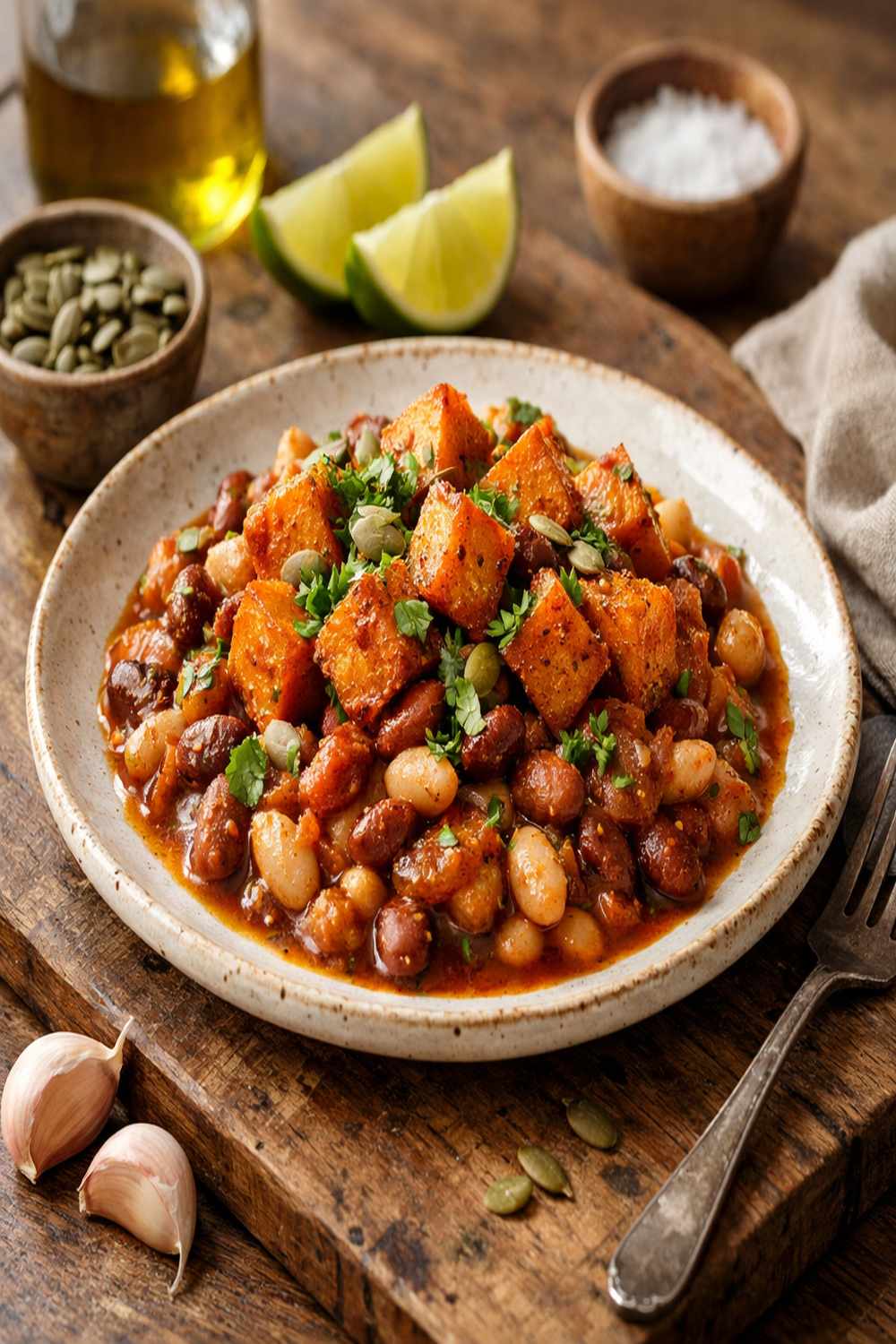
What is Stuffed Sweet Potatoes with Black Beans?
This is a build-your-own bowl recipe with roots in Latin American and Caribbean cuisines, where beans and root vegetables have long been dietary staples. What makes this version special is its flexibility and affordability. You’re essentially creating a nutrient-dense canvas: roasted sweet potato halves topped with a seasoned black bean medley, then crowned with fresh guacamole and a cooling yogurt drizzle.
The beauty of this dish lies in its versatility. The base stays the same, but the toppings can adapt to what’s on sale, what’s in season, or what your family actually enjoys eating. It’s naturally plant-based, naturally gluten-free, and naturally budget-conscious. I’ve served this to clients ranging from college students eating on $50 per week to families of six trying to reduce their food costs without sacrificing nutrition.
Think of it as a deconstructed burrito bowl that happens to be loaded with fiber, resistant starch, plant-based protein, and micronutrients your body actually recognizes. No mysterious additives. Just whole food, properly seasoned.
Why You’ll Love This Stuffed Sweet Potato Recipe
- Genuinely affordable – The entire recipe costs roughly $2-3 per serving depending on your location and whether you catch sales. Sweet potatoes are perennially cheap, canned beans are nutritional powerhouses at bargain prices, and fresh vegetables stretch further than anyone expects.
- Packed with plant-based protein and fiber – One serving delivers approximately 12 grams of protein and 11 grams of fiber, making this satisfying enough for lunch or dinner without animal products. The black beans provide both complete carbohydrates and essential amino acids.
- Naturally accommodating – Whether you’re vegetarian, vegan, gluten-free, or simply trying to eat more plants, this recipe works beautifully without modifications. No “special” substitutions required—it’s naturally inclusive.
- Make-ahead friendly – You can roast the sweet potatoes two days ahead, prepare the bean mixture in the morning, and assemble everything fresh. Perfect for meal prep without sacrificing texture or flavor.
- Takes less than an hour start to finish – The sweet potatoes roast while you prep everything else. Total active time is roughly 15 minutes, making this realistic for weeknight dinners when you’re already exhausted.
- Teaches fundamental cooking skills – Roasting vegetables properly, seasoning food with intention, understanding how acids brighten flavors, creating balance between textures. This single dish covers more nutrition and cooking education than most people get from cookbooks.
The Ingredients
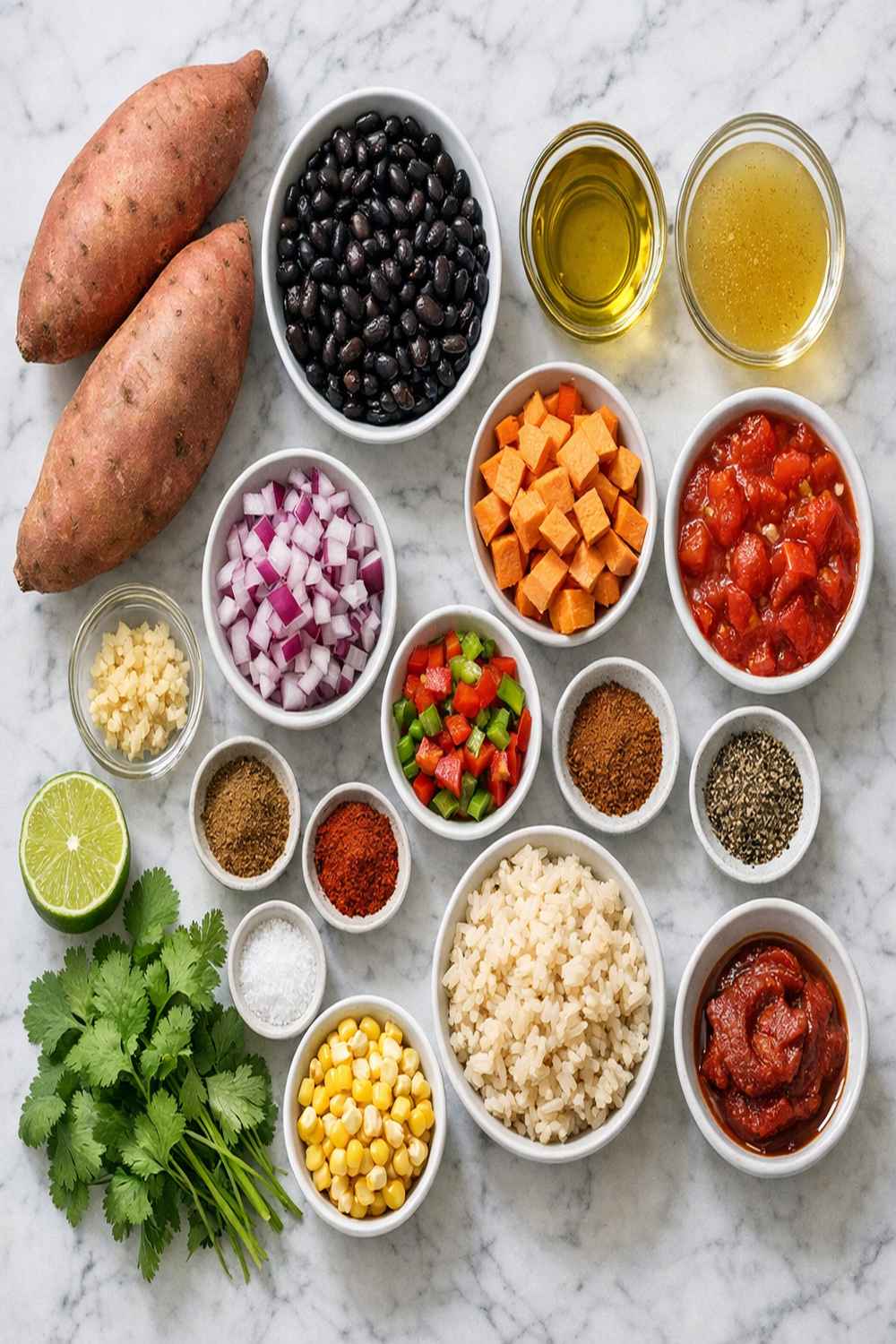
I’ve built this ingredient list around what you can find year-round at any grocery store, and more importantly, what you can actually afford. Every single ingredient serves a purpose—nothing’s here just to sound fancy. I’ve also included my favorite budget-friendly swaps because I know that real life means adapting recipes to what’s available and what fits your actual budget.
For the Base and Bean Mixture
- 1 clove garlic (minced finely, or ¼ teaspoon garlic powder if you’re short on time)
- ⅓ cup fresh cilantro (chopped tightly packed; Italian parsley is an excellent substitute if cilantro isn’t your thing)
- 1 can (15 ounces) black beans (drained and rinsed thoroughly to remove excess sodium)
- ½ cup fresh corn kernels (frozen corn works perfectly and costs less; thaw before using)
- ¼ cup red onion (finely diced; yellow onion works if red isn’t available)
- 1 cup cherry tomatoes (halved, or use 1 cup diced regular tomatoes if cherry tomatoes are expensive)
- 4 medium sweet potatoes (roughly 8 ounces each, choose ones similar in size for even cooking)
For the Seasoning
- pinch of black pepper (freshly ground tastes better, but pre-ground is fine)
- pinch of chili flakes (optional, but adds complexity without heat; omit if serving to sensitive palates)
- ¼ teaspoon sea salt (or regular table salt—they’re nutritionally equivalent despite what you’ve heard)
- 3 teaspoons olive oil (divided; vegetable oil works for roasting, though olive oil adds better flavor)
- ½ lime (juiced, about 1 tablespoon fresh lime juice)
For the Toppings
- ⅓ cup coconut yogurt (or use regular dairy yogurt, Greek yogurt, or sour cream if dairy works for your household)
- 2 teaspoons fresh lime juice (for the guacamole)
- 1 ripe avocado (choose one that yields slightly to palm pressure; overripe avocados become mushy when mashed)
- pinch of sea salt (for finishing the toppings)
- ½ teaspoon fresh lime juice (for the yogurt drizzle)
Serves 4 as a main course or 8 as a side dish.
How to Make Stuffed Sweet Potatoes with Black Beans?
I’m going to walk you through this step by step, with the sensory details that matter—what you’re looking for, how things should feel, when you know something’s done. I’ve made this recipe hundreds of times, and I’ve learned that cooking is clearer when someone tells you what done actually looks and feels like, not just how many minutes to set a timer.
Step 1: Prepare Your Sweet Potatoes for Roasting
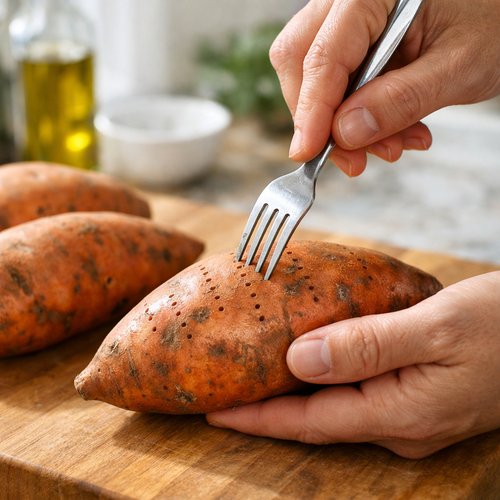
Preheat your oven to 400°F (200°C). While the oven heats, take each sweet potato and use a fork to pierce it all over—about 1 inch apart, going completely through the skin. This prevents them from exploding in the oven and helps steam escape evenly. You’re not trying to mash them; just poke holes deep enough that you feel the fork go all the way in.
Line a baking sheet with parchment paper (this prevents sticking and makes cleanup painless—one of my non-negotiable kitchen investments). Place your pierced sweet potatoes on the sheet. Drizzle 1 teaspoon of olive oil into your palm and rub it lightly over each potato, coating all sides. You want just enough oil that they look slightly glossy, not shiny like they’ve been deep-fried. This helps them brown beautifully.
Step 2: Roast Until Fork-Tender
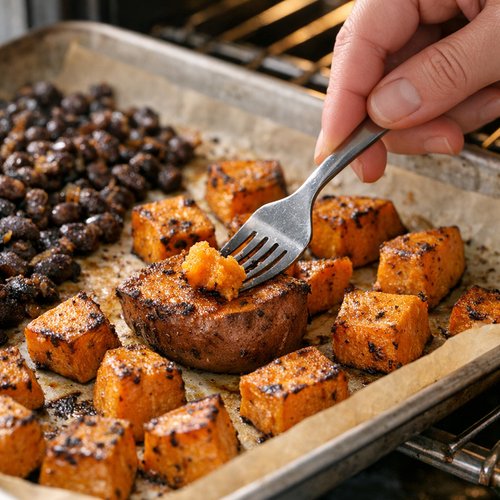
Slide the baking sheet into your preheated oven. Set a timer for 40 to 50 minutes. Don’t just set it and forget—at the 40-minute mark, take one potato out and pierce it with a fork in the thickest part. The fork should slide through with almost no resistance, like piercing soft butter. If you feel any firmness, give them another 5 to 10 minutes.
You’ll know they’re done when the skin has darkened slightly and the flesh inside gives completely to the fork. The skin might even split slightly at the top—that’s perfect. This is what properly roasted sweet potatoes look like: caramelized, slightly wrinkled, and completely tender. They should smell almost candy-like, with deep roasted sweetness underneath.
Step 3: Build Your Black Bean Medley While Potatoes Roast
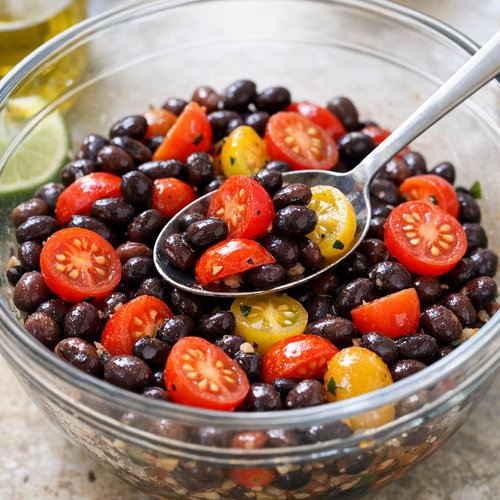
While your sweet potatoes are roasting, make the filling. In a medium bowl, combine your drained and rinsed black beans, the halved cherry tomatoes, corn kernels, diced red onion, minced garlic, and chopped cilantro. Toss everything together gently—you’re mixing, not aggressively stirring.
Now dress the mixture: drizzle with the remaining 2 teaspoons of olive oil and the lime juice. Sprinkle with sea salt, a small pinch of black pepper, and a tiny pinch of chili flakes if you’re using them. Toss gently until everything is coated and flavors are beginning to blend. The lime juice will brighten the tomatoes and cilantro; you’ll notice the smell shift toward something fresher and more alive.
Here’s a professional tip: This mixture can sit for up to 30 minutes before serving, and it actually gets better as it sits—the flavors continue mingling and developing. If you’re prepping ahead, this is your make-ahead champion.
Step 4: Prepare Your Guacamole
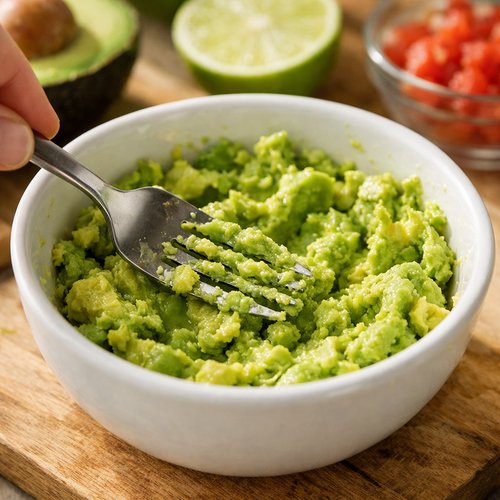
While the potatoes finish cooking, halve your avocado lengthwise, remove the pit, and scoop the flesh into a small bowl. Using a fork, mash it until you reach your desired consistency—I like mine slightly chunky with some creamy parts, but that’s personal preference. Immediately add 2 teaspoons of lime juice and a pinch of sea salt, then mix gently.
The lime juice serves two purposes: it prevents the avocado from browning quickly, and it adds bright acidity that balances the richness of the avocado. If you’re making this more than 30 minutes ahead, press plastic wrap directly onto the guacamole surface to minimize air exposure.
Step 5: Make Your Yogurt Drizzle
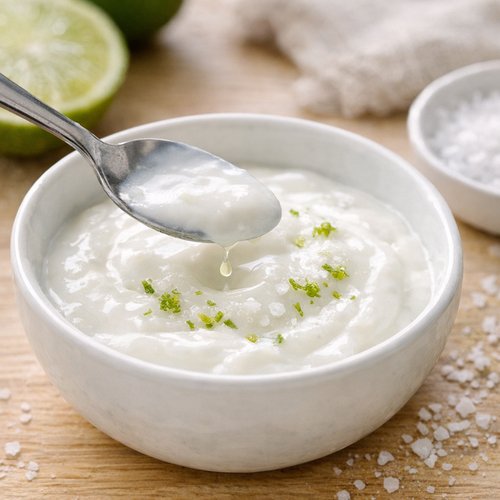
In another small bowl, combine your coconut yogurt (or dairy yogurt alternative), the remaining ½ teaspoon of lime juice, and a tiny pinch of sea salt. Whisk together until smooth. This becomes your cooling, tangy drizzle—it balances the earthiness of the beans and the richness of the avocado. The lime juice cuts through any heaviness and adds brightness.
This yogurt mixture can also be made ahead and refrigerated for up to 3 days. It’s one of those versatile components that works on grain bowls, roasted vegetables, or even as a dip for raw vegetables.
Step 6: Assemble and Serve
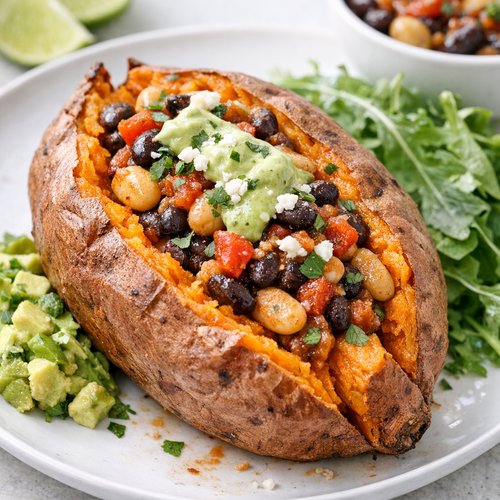
Once your sweet potatoes are perfectly tender, remove them from the oven and let them cool for 2 to 3 minutes (they’ll be very hot). Slice each potato in half lengthwise, creating two long, flat surfaces. Using a fork or spoon, gently fluff the flesh inside without tearing the skin—you want the inside to be light and fluffy, almost like you’ve loosened it up for the toppings.
Spoon your seasoned black bean mixture generously into each sweet potato half. Top each one with a generous dollop of your mashed avocado. Finally, drizzle with the yogurt mixture. You can also sprinkle a tiny bit of extra cilantro on top if you like, or a few extra lime wedges for someone to squeeze fresh juice over everything.
Serve immediately while the sweet potatoes are still warm and the guacamole is fresh. The contrast between the warm potato, the cool avocado, and the tangy yogurt is part of what makes this dish feel so complete.
Tips and Tricks From My Kitchen to Yours
- Don’t skip the rinsing step with canned beans – This removes roughly 40% of the sodium from the can, making a significant difference in the overall sodium content of the finished dish. It only takes 30 seconds under running water and makes a real nutritional difference.
- Choose sweet potatoes that are similar in size – This ensures they roast evenly. If you only have varying sizes, separate them and remove smaller ones a few minutes earlier. Uneven cooking is the #1 mistake I see with roasted vegetables.
- Make lime juice your secret weapon – Acid is what makes home cooking taste like restaurant food. The lime juice here isn’t just a garnish; it’s the element that makes every other flavor pop. Don’t skip it or substitute with lemon (though lemon can work in a pinch).
- Taste and adjust seasoning as you go – My salt recommendations are starting points. Your taste preferences matter more than my recipe. Taste the bean mixture before you assemble, and adjust if needed. This is how you learn to cook intuitively.
- Room-temperature avocado makes better guacamole – If your avocado came from the refrigerator, let it sit on the counter for 30 minutes before using. Cold avocado is harder to mash and doesn’t incorporate with lime juice as smoothly.
- Double the bean mixture and use it throughout the week – This filling is delicious on salads, mixed into rice bowls, as a topping for grain toast, or even stuffed into bell peppers. Making double means one dinner plus two additional meals from your effort.
- Invest in a good microplane zester or grater – It makes juicing limes infinitely easier and faster. This is one kitchen tool I genuinely recommend to every client.
Expert’s Nutritional Insight: Why This Combination Works So Well
As a registered dietitian, I’m always thinking about how foods combine nutritionally. This recipe is a textbook example of building nutritional completeness through thoughtful pairing. Here’s why: Sweet potatoes provide resistant starch (a type of carbohydrate that acts like fiber in your digestive system), while black beans provide both protein and additional fiber. Together, they create sustained energy that doesn’t spike and crash your blood sugar.
The additions of fresh tomatoes and cilantro add vitamin C, which enhances iron absorption from the beans—a crucial pairing for plant-based meals. The lime juice serves the same purpose while adding brightness. The avocado provides healthy fats that help you absorb the fat-soluble vitamins (A, D, E, K) from the other vegetables. This isn’t accidental; it’s how whole food combinations actually work in your body.
According to USDA nutritional databases, one serving delivers approximately 280 calories, 12 grams of protein, 11 grams of fiber, and significant amounts of potassium, manganese, and folate—all from whole foods that cost pennies per serving. This is what I mean by affordable nutrition.
Make-Ahead Guide: Meal Prep Strategy
For Sunday Prep (serving Wednesday dinner): Roast all your sweet potatoes completely and store them in an airtight container in the refrigerator. They’ll keep for up to 3 days. Prepare the black bean mixture (minus the avocado topping) in a separate container—it also keeps 3 days refrigerated. When you’re ready to serve, reheat the sweet potato halves in a 350°F oven for about 10 minutes, top with the bean mixture, add fresh guacamole, and drizzle with yogurt.
For overnight stays: If you’re packing this for lunch, keep the components separate. Pack roasted sweet potato halves in one container, the bean mixture in another, and the guacamole and yogurt in their own containers with lids. Assemble everything right before eating to prevent the potato from becoming soggy. This actually travels beautifully in a lunch box.
For full meal prep week: Make enough sweet potatoes and bean mixture for 4 servings. Store separately as described above. Each morning, roast fresh guacamole (I know I said 30 minutes ahead, but one avocado per day is manageable). The yogurt drizzle keeps for a week refrigerated, so make it once and use all week. This gives you 4 easy dinners that require just 10 minutes of assembly each night.
Can I Store Stuffed Sweet Potatoes with Black Beans?
Yes, but with a strategy. The cooked sweet potatoes store beautifully—keep them in an airtight container in the refrigerator for up to 3 days. Reheat in a 350°F oven for about 8 minutes before topping. The black bean mixture also stores for 3 days refrigerated in an airtight container.
However, I don’t recommend storing the fully assembled dish with all toppings. The warm potato will make the avocado brown faster, and the yogurt will seep into the sweet potato flesh, making it soggy. Instead, store each component separately and assemble right before serving. This actually takes only 5 minutes and guarantees the best texture and flavor.
The guacamole keeps up to 2 days if you press plastic wrap directly onto its surface to minimize air exposure. The yogurt drizzle keeps up to 1 week refrigerated. I don’t recommend freezing the fully assembled dish, though you can freeze the cooked sweet potatoes and bean mixture separately for up to 3 months in properly sealed freezer containers. Thaw overnight in the refrigerator before reheating.
Nutrition Information
Per serving (1 sweet potato half with toppings, based on 4 servings): Calories: 285 | Protein: 12g | Carbohydrates: 48g | Dietary Fiber: 11g | Fat: 8g | Saturated Fat: 1.5g | Sodium: 320mg | Potassium: 740mg | Vitamin A: 420% DV | Vitamin C: 35% DV | Iron: 25% DV | Folate: 30% DV
This nutritional profile is based on USDA FoodData Central for individual ingredients, cooked beans, and standard portion sizes. One serving provides roughly 35% of your daily fiber needs and 25% of your daily iron needs—which is substantial for a plant-based meal. The combination of resistant starch from the sweet potato and fiber from the beans creates sustained satiety, meaning you’ll stay full longer than you would from a processed meal with similar calories.
The sodium content is remarkably low because we rinsed the canned beans. If you skip that step, expect roughly 600mg sodium per serving instead of 320mg. For most people, that’s still reasonable, but if you’re monitoring sodium for health reasons, that rinsing step matters significantly.
What Can I Serve With Stuffed Sweet Potatoes with Black Beans?
This dish is satisfying enough to stand alone as a complete meal, but it pairs beautifully with sides that echo its flavors or provide textural contrast. Since you’re already working with bold, fresh flavors, I recommend keeping sides simple so they complement rather than compete.
If you’re building a more substantial meal, consider serving alongside a three-bean salad for additional protein and interesting texture contrast. The cool bean salad against the warm sweet potato creates a nice balance. Or try pairing it with the components of baked eggs with spinach if you want to add more protein while keeping costs low.
- Crisp green salad with lime vinaigrette – Use whatever greens are affordable (romaine, iceberg, even cabbage works beautifully). Dress with a simple vinaigrette made from lime juice, a touch of olive oil, and a pinch of salt. The acidity and freshness cut through the richness of the potato and avocado.
- Cilantro lime rice – If you want to make this more substantial, cook white or brown rice and finish it with chopped cilantro, lime juice, and a tiny bit of salt. Brown rice adds additional fiber; white rice is more budget-friendly if that’s the priority.
- Charred or roasted broccoli with garlic – Toss broccoli florets with olive oil, minced garlic, and salt, then roast at 425°F for about 15 minutes until crispy. The char and slight bitterness provide nice contrast.
- Simple tomato and onion salsa – If you want to lean into the fresh element even more, make a simple salsa from diced tomatoes, red onion, cilantro, lime juice, and salt. Serve on the side or atop the potato.
- Corn tortillas or grain-free cauliflower tortillas – Some people like to wrap the sweet potato filling in a tortilla, creating a more hand-held version. This is perfect for family dinners where people want to build their own experience.
Substitutes and Budget-Friendly Swaps
- Regular potatoes instead of sweet potatoes – You can absolutely use russet or gold potatoes instead. The nutrition profile shifts slightly (you’ll get less vitamin A and beta-carotene), but the cooking method stays identical. They’re equally delicious and sometimes cheaper. Add an extra 10 minutes to roasting time if using larger russet potatoes.
- Pinto beans or kidney beans instead of black beans – Any canned bean works here. Pinto beans are often cheaper than black beans and have a creamier texture. Kidney beans are heartier. Use the same amount and preparation method. The flavor profile shifts but remains delicious.
- Regular tomatoes instead of cherry tomatoes – Dice 1 cup of regular tomatoes (Roma tomatoes work well). Cherry tomatoes are sweet and pretty, but regular tomatoes cost less and provide the same nutrition. You might want to drain them slightly since they release more liquid.
- Frozen corn instead of fresh – Frozen corn is actually more affordable and nutritionally identical to fresh. Thaw it before using and drain any excess water. I actually prefer frozen corn in this recipe because it’s available year-round and costs roughly half the price of fresh.
- Parsley instead of cilantro – Not everyone loves cilantro (some people genuinely taste soap—it’s a genetic thing). Italian parsley provides similar freshness and brightness. Use the same amount and preparation.
- Dairy yogurt instead of coconut yogurt – If you’re not avoiding dairy, regular Greek yogurt is often cheaper than coconut yogurt and provides additional protein. Sour cream works too; use the same amount. The flavor shifts slightly tangier but remains excellent.
- Regular lime juice or bottled lime juice – Fresh lime juice is best for flavor, but bottled 100% lime juice works if that’s what you can find. Avoid anything with added ingredients. One fresh lime typically yields about 2 tablespoons of juice.
- Vegetable oil instead of olive oil for roasting – Olive oil has better flavor for this application, but vegetable oil, canola oil, or even coconut oil will work nutritionally. Avoid extra-virgin olive oil for roasting since high heat damages its delicate flavors.
- Salt and pepper instead of sea salt and black pepper – Regular table salt and pre-ground black pepper work nutritionally and functionally. The difference is marginal. Freshly ground black pepper tastes noticeably better, but both work.
Common Mistakes to Avoid
- Mistake #1: Underoasting the sweet potatoes – The most common error I see is pulling sweet potatoes out too early because the timing looks right on a recipe. Don’t. Look for the fork-tender stage, not the clock. An underoasted sweet potato has a mealy, starchy texture that’s unpleasant. A properly roasted one is creamy inside. Trust the fork test, not the timer.
- Mistake #2: Using canned beans without rinsing – This affects both sodium content and digestibility. The canning liquid contains excess salt and starch that causes bloating and gas. Thirty seconds of rinsing changes everything. This is non-negotiable for me.
- Mistake #3: Assembling everything too far ahead – If you assemble the complete dish more than 15 minutes before eating, the warm sweet potato steams the avocado into brown mush, and the yogurt makes the potato soggy. Assemble just before serving for best results. This takes five minutes; it’s worth it.
- Mistake #4: Skipping the lime juice – I know this sounds like a small detail, but lime juice is what elevates this from “okay” to “why does this taste like restaurant food?” Acid brightens every other flavor. Don’t skip it or substitute with vinegar (though vinegar works if you’re truly stuck).
Seasonal Variations: How to Adapt This Recipe Year-Round
Spring variation: Replace the cilantro with fresh dill or tarragon. Swap corn for fresh peas. Use spring onions instead of red onion. Add fresh herbs like chives or parsley. The lightness of spring herbs pairs beautifully with the sweet potato base.
Summer variation: This is when cherry tomatoes are at peak season and cheapest. Embrace them fully. Add fresh corn from the farmers market if you can find it. Try adding diced cucumber for freshness and crunch. A summer version might lean heavier on the fresh vegetables and lighter on the yogurt drizzle.
Fall variation: Add roasted pumpkin seeds for crunch and additional nutrition. Incorporate diced apple (Honeycrisp or Granny Smith) for natural sweetness and tartness. Consider replacing cilantro with sage or rosemary. Add a pinch of cinnamon to the bean mixture if you want to lean into autumn spices.
Winter variation: When fresh tomatoes are expensive and sad, replace them with roasted red peppers from a jar or diced beets. Use frozen corn instead of fresh (it’s the same price as summer anyway). Add roasted vegetables like brussels sprouts or carrots for more substance. Winter variations tend to be heartier and more warming.

Beans And Sweet Potato Recipe
Ingredients
Method
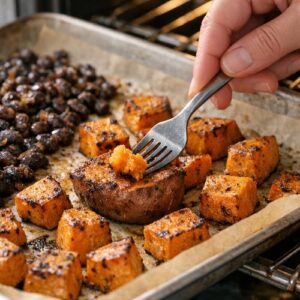
- Preheat your oven to 400°F (200°C). While the oven heats, take each sweet potato and use a fork to pierce it all over—about 1 inch apart, going completely through the skin. This prevents them from exploding in the oven and helps steam escape evenly. You're not trying to mash them; just poke holes deep enough that you feel the fork go all the way in. Line a baking sheet with parchment paper (this prevents sticking and makes cleanup painless—one of my non-negotiable kitchen investments). Place your pierced sweet potatoes on the sheet. Drizzle 1 teaspoon of olive oil into your palm and rub it lightly over each potato, coating all sides. You want just enough oil that they look slightly glossy, not shiny like they've been deep-fried. This helps them brown beautifully.

- Slide the baking sheet into your preheated oven. Set a timer for 40 to 50 minutes. Don't just set it and forget—at the 40-minute mark, take one potato out and pierce it with a fork in the thickest part. The fork should slide through with almost no resistance, like piercing soft butter. If you feel any firmness, give them another 5 to 10 minutes. You'll know they're done when the skin has darkened slightly and the flesh inside gives completely to the fork. The skin might even split slightly at the top—that's perfect. This is what properly roasted sweet potatoes look like: caramelized, slightly wrinkled, and completely tender. They should smell almost candy-like, with deep roasted sweetness underneath.
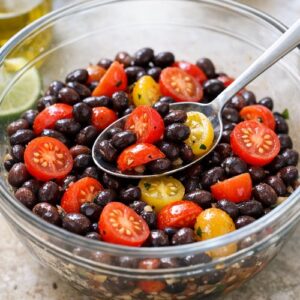
- While your sweet potatoes are roasting, make the filling. In a medium bowl, combine your drained and rinsed black beans, the halved cherry tomatoes, corn kernels, diced red onion, minced garlic, and chopped cilantro. Toss everything together gently—you're mixing, not aggressively stirring. Now dress the mixture: drizzle with the remaining 2 teaspoons of olive oil and the lime juice. Sprinkle with sea salt, a small pinch of black pepper, and a tiny pinch of chili flakes if you're using them. Toss gently until everything is coated and flavors are beginning to blend. The lime juice will brighten the tomatoes and cilantro; you'll notice the smell shift toward something fresher and more alive. Here's a professional tip: This mixture can sit for up to 30 minutes before serving, and it actually gets better as it sits—the flavors continue mingling and developing. If you're prepping ahead, this is your make-ahead champion.
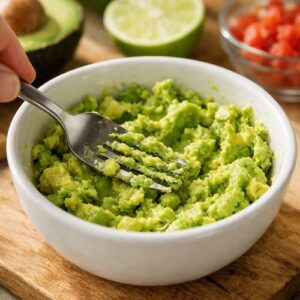
- While the potatoes finish cooking, halve your avocado lengthwise, remove the pit, and scoop the flesh into a small bowl. Using a fork, mash it until you reach your desired consistency—I like mine slightly chunky with some creamy parts, but that's personal preference. Immediately add 2 teaspoons of lime juice and a pinch of sea salt, then mix gently. The lime juice serves two purposes: it prevents the avocado from browning quickly, and it adds bright acidity that balances the richness of the avocado. If you're making this more than 30 minutes ahead, press plastic wrap directly onto the guacamole surface to minimize air exposure.
- In another small bowl, combine your coconut yogurt (or dairy yogurt alternative), the remaining ½ teaspoon of lime juice, and a tiny pinch of sea salt. Whisk together until smooth. This becomes your cooling, tangy drizzle—it balances the earthiness of the beans and the richness of the avocado. The lime juice cuts through any heaviness and adds brightness. This yogurt mixture can also be made ahead and refrigerated for up to 3 days. It's one of those versatile components that works on grain bowls, roasted vegetables, or even as a dip for raw vegetables.

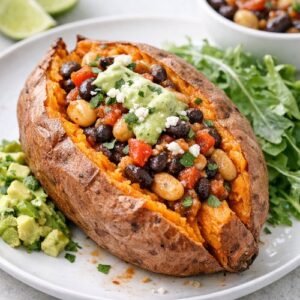
- Once your sweet potatoes are perfectly tender, remove them from the oven and let them cool for 2 to 3 minutes (they'll be very hot). Slice each potato in half lengthwise, creating two long, flat surfaces. Using a fork or spoon, gently fluff the flesh inside without tearing the skin—you want the inside to be light and fluffy, almost like you've loosened it up for the toppings. Spoon your seasoned black bean mixture generously into each sweet potato half. Top each one with a generous dollop of your mashed avocado. Finally, drizzle with the yogurt mixture. You can also sprinkle a tiny bit of extra cilantro on top if you like, or a few extra lime wedges for someone to squeeze fresh juice over everything. Serve immediately while the sweet potatoes are still warm and the guacamole is fresh. The contrast between the warm potato, the cool avocado, and the tangy yogurt is part of what makes this dish feel so complete.
Notes
FAQs
Can I make this recipe without the avocado if it’s expensive in my area?
Absolutely. Avocados vary wildly in price depending on season and location. If they’re expensive where you live, skip them entirely. The dish is still delicious and satisfying without avocado—you’ll save money and reduce fat content slightly. You might want to increase the yogurt drizzle or add an additional topping like roasted nuts (pumpkin seeds are cheap) for richness and texture. The bean mixture and roasted sweet potato are genuinely the stars here; avocado is the luxury add-on.
What if I can’t find or don’t like cilantro?
Use Italian parsley instead—it provides similar freshness. Or try fresh dill for a completely different but equally delicious flavor profile. Or simply omit the herb altogether and increase other components like tomato or onion. Some people genuinely taste soap when they eat cilantro (it’s a real genetic variation), and that’s completely legitimate. Cook to your own preferences.
Is this recipe naturally vegan?
The base recipe using coconut yogurt is naturally vegan. However, if you swap in dairy yogurt or sour cream, it becomes vegetarian but not vegan. The guacamole is vegan. Every component is plant-based as written, making it an excellent choice for plant-forward eating or anyone avoiding animal products.
How much does this recipe actually cost per serving?
In my area (Massachusetts, 2024 pricing), I estimate roughly $1.75-$2.25 per serving depending on whether items are on sale. Sweet potatoes are typically the cheapest ingredient at roughly $0.50 per potato when bought in bulk. Canned beans are my go-to budget ingredient at $0.70-$1.00 per can. Fresh produce varies seasonally, but tomatoes and cilantro are usually affordable. The most variable cost is avocado (anywhere from $0.50 to $2.00 each depending on season). This meal is genuinely one of the most affordable, nutritious dinners I know how to make.
Can I use dried beans instead of canned?
Yes, but plan ahead. Dried black beans require soaking (typically overnight) and cooking (roughly 1-2 hours). One cup of dried beans yields approximately 3 cups of cooked beans. The advantage is cost: dried beans are cheaper per pound than canned. The disadvantage is time and energy (cooking uses fuel). If you have time and want maximum savings, dried beans are the way to go. If you’re cooking on a busy weeknight, canned beans rinsed thoroughly are worth the small extra cost for convenience. Both are nutritionally excellent.