This post contains affiliate links. As an Amazon Associate I earn from qualifying purchases.
Whether you’re following a keto meal plan, eating plant-based, managing celiac disease, or simply looking to add more vegetables to your plate, you don’t have to miss out on satisfying, restaurant-quality food at home. I’ve spent years helping clients discover that dietary restrictions don’t mean food restrictions—they just mean getting creative with what you already have in your kitchen. That’s exactly why I’m sharing this cauliflower steak recipe with you today. It’s one of those rare dishes that doesn’t require modification for different diets; instead, it adapts beautifully no matter what you’re eating. Pair it with something like Easy 1 Pot Massaman Curry for a complete dinner, or serve it alongside an affordable salad recipe for a lighter meal.
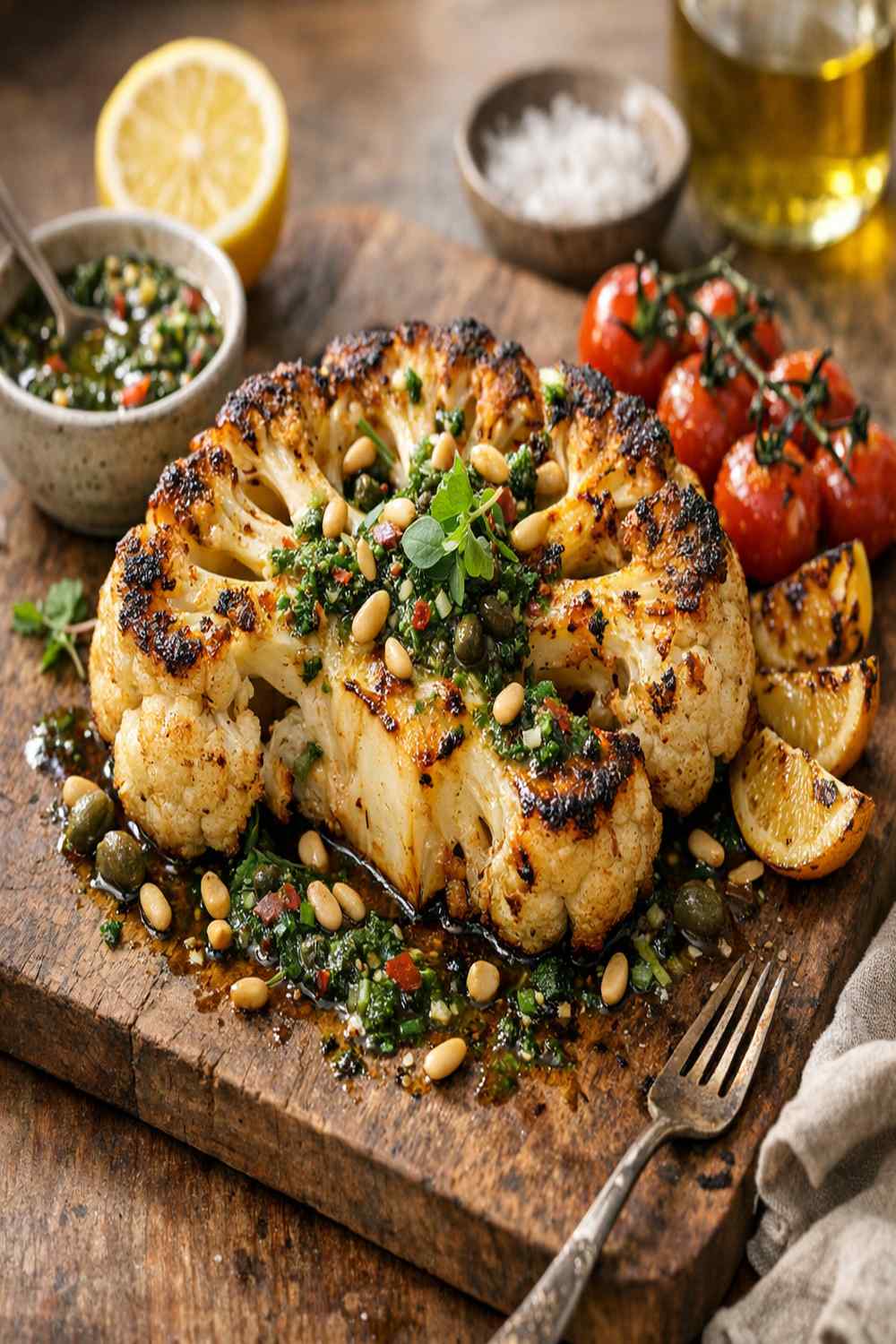
The Ultimate Cauliflower Steak Recipe for Every Diet (Keto, Vegan, Gluten-Free)
I remember the first time I roasted cauliflower this way, it was during a particularly tight month when grocery budgets were stretched thin. My neighbor brought over a head of cauliflower from her garden—she had grown far more than her family could eat. Rather than letting it go to waste, I sliced it into thick steaks, seasoned them simply with what I had in my spice cabinet, and roasted them until they were golden and crispy. My kids actually asked for seconds. That’s when I realized this humble vegetable, when treated with intention and heat, becomes something genuinely craveable. It became my go-to recipe for clients managing diabetes, weight loss, and various dietary restrictions. Over the years, I’ve refined it and adapted it for every dietary need imaginable.
Which Version Is Right for You?
The beauty of this recipe is that the base preparation remains identical across all dietary versions. What changes is what you serve alongside it and, optionally, which finishing touches you add. Below is a quick guide to help you choose your path based on your dietary needs. Don’t worry—I’ll give you exact swaps and modifications for each one.
- Keto Version – Unlimited cauliflower, maximum fat from olive oil, and flavor-boosting seasonings with zero carbohydrate impact. You’re looking at roughly 5 grams of net carbs per serving, making this an ideal main course or substantial side.
- Vegan Version – Identical to the base recipe since olive oil is plant-based and all seasonings are naturally vegan-friendly. No modifications needed here—you’re already set.
- Gluten-Free Version – Our base recipe is naturally gluten-free, but I’ll show you how to verify your spice blends and suggest complementary sides that maintain that certification.
- Dairy-Free Version – Again, the base recipe contains no dairy, so this works perfectly as-is. Perfect for anyone managing lactose intolerance or following a plant-based approach.
The Base Ingredients (Works for All Versions)
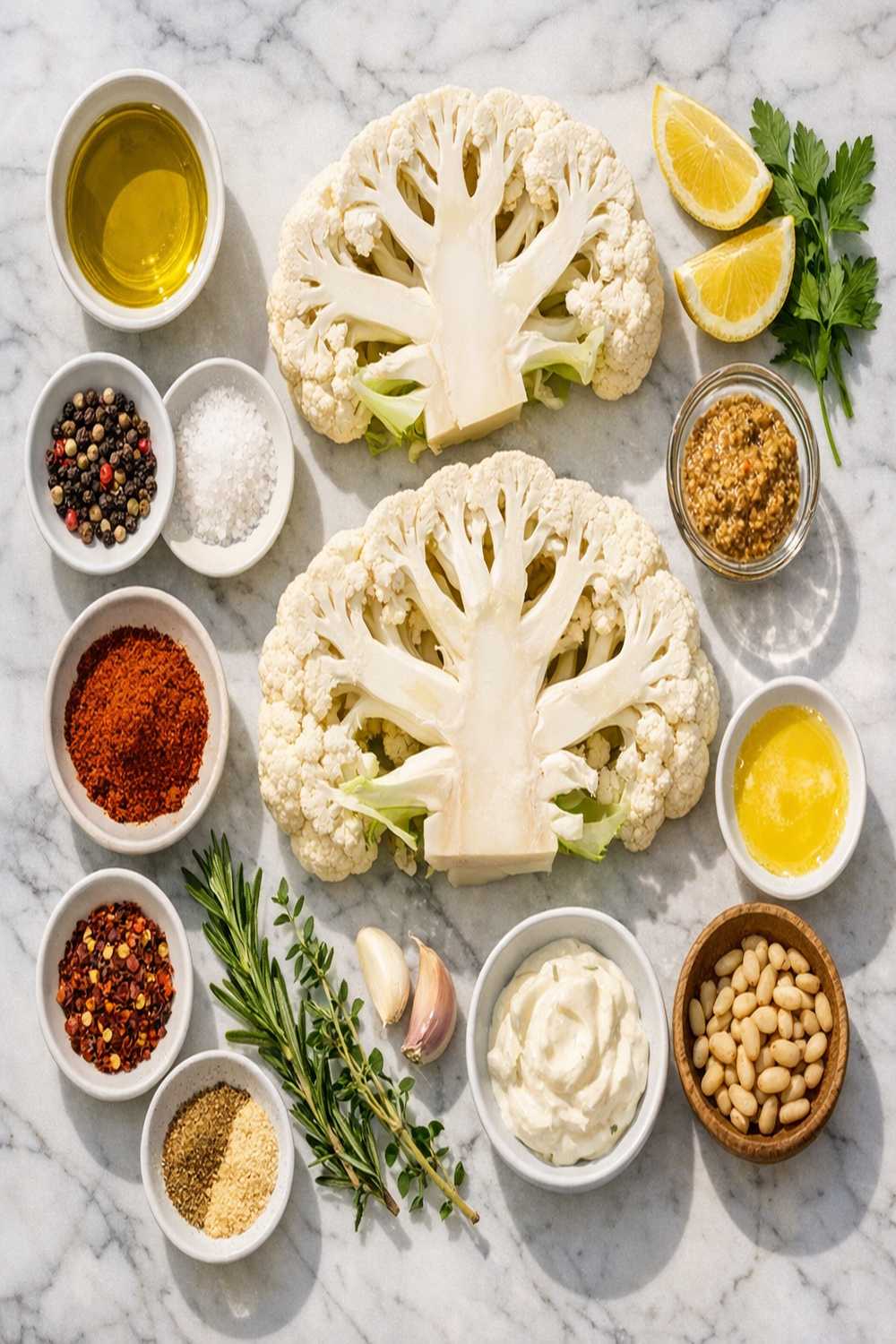
I always recommend buying your cauliflower at farmers markets or discount grocers when possible—you’ll pay 40 to 50 percent less than conventional supermarkets and often get fresher, more flavorful heads. These ingredients are genuinely all you need, and everything here is a staple I keep stocked year-round. The seasonings are your opportunity to get creative, but I’ve provided a proven combination that works beautifully across all dietary variations.
- ½ teaspoon freshly ground black pepper, divided into two portions (freshly ground tastes noticeably better than pre-ground)
- 1 teaspoon ground coriander, divided (optional but adds warmth and subtle citrus notes)
- 1 teaspoon garlic powder, divided (check label for anti-caking agents if you have sensitivities)
- Fresh lemon juice, 1 to 2 tablespoons (brightens flavors and adds acid without calories)
- 1 teaspoon kosher salt, Diamond Crystal brand preferred (larger flakes than table salt, easier to control seasoning)
- 1 teaspoon sweet paprika, divided (adds color and mild sweetness without spice)
- ¼ teaspoon smoked paprika, optional addition (for deeper, smokier flavor—budget alternative to expensive smoked salt)
- 3 tablespoons olive oil or light olive oil spray (or use avocado oil for higher heat tolerance)
- 2 medium cauliflower heads, about 4 to 5 pounds total (choose ones that feel dense and heavy for their size, with no browning on the florets)
Dietary Substitution Chart
Here’s where I make things crystal clear for you. While the base recipe doesn’t need modification, I want you to understand exactly what works for your dietary needs and what alternatives exist if you ever want to experiment. Think of this as your reference guide—bookmark it or screenshot it for your next grocery trip.
- Seasonings (salt, pepper, garlic powder, paprika, coriander) -> Keto: all seasonings are zero-carb and approved | Vegan: all spices are plant-derived and naturally vegan | Gluten-Free: verify your spice brand hasn’t used shared equipment | Dairy-Free: no dairy present anywhere in this recipe
- Finishing Touch: Lemon Juice -> Keto: adds brightness with zero impact on macros | Vegan: naturally plant-based | Gluten-Free: naturally gluten-free | Dairy-Free: naturally dairy-free
- Olive Oil -> Keto: use full-fat olive oil or avocado oil (maximum satiety) | Vegan: olive oil is perfect as-is | Gluten-Free: all oils are naturally gluten-free | Dairy-Free: all oils work beautifully
How to Make Cauliflower Steak Recipe Your Way
I’m going to walk you through this step-by-step, and I promise it’s easier than you think. The entire process takes about 45 minutes from start to finish, with only about 15 minutes of active hands-on time. That’s realistic, honest timing—no shortcuts that cut corners on quality. I’ve included specific notes at each step for your dietary version, so you know exactly what matters and what doesn’t.
Step 1: Preheat Your Oven and Prepare Your Sheet
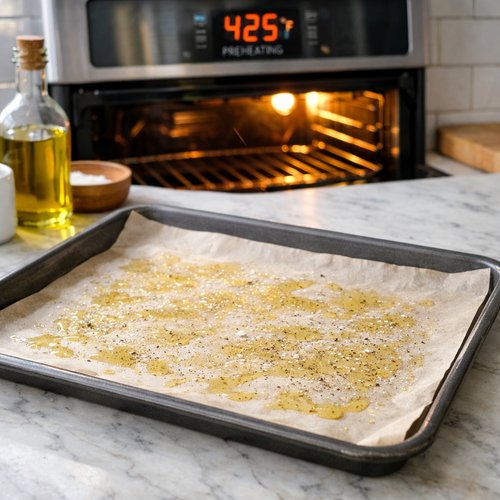
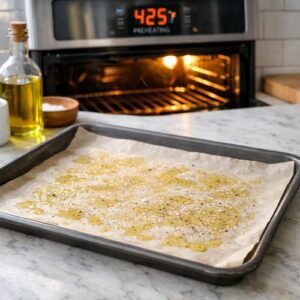
Set your oven to 425 degrees Fahrenheit and allow it 10 minutes to fully preheat. This high temperature is crucial—it’s what creates that golden, caramelized exterior while keeping the interior tender. While your oven heats, line a large rimmed baking sheet with parchment paper or nonstick foil. Spray it lightly with olive oil. Keto note: Don’t skip the oil here; it contributes to satiety and helps prevent sticking. All other versions: This step is identical across the board.
Step 2: Clean and Prepare Your Cauliflower
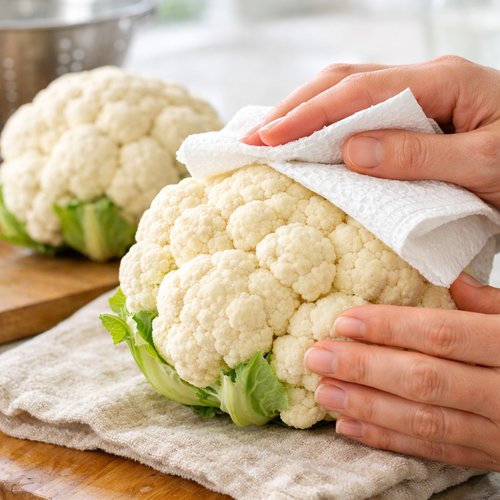
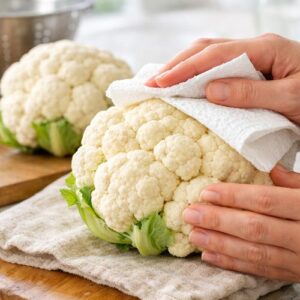
Rinse both cauliflower heads under cool running water and pat them completely dry with paper towels or a clean kitchen towel. Moisture is the enemy of crispy roasted vegetables—any water clinging to the surface creates steam, which prevents browning. Remove the large outer leaves and trim the very bottom of the core with a sharp knife, but keep the core intact (that’s what holds everything together). Stand each head upright on your cutting board.
Step 3: Slice Into Steaks and Florets
Using a sharp chef’s knife, carefully slice each cauliflower head into ¾-inch-thick steaks. You should get approximately three solid steaks from each head, plus some irregular pieces. Don’t throw those irregular pieces away—they become beautiful roasted florets. The outer edge slices will naturally break apart during handling; this is completely normal and expected. Arrange all steaks and loose florets in a single layer on your prepared baking sheet. Pro tip from my nutrition practice: Those broken florets actually have more surface area, which means more caramelized edges and more concentrated flavor. Nothing is wasted here.
Step 4: Oil and Season the First Side
Pat the cauliflower pieces dry one more time with a fresh paper towel—this matters more than you’d think. Lightly spray or brush the tops of all pieces with olive oil. Sprinkle half of your salt, half of your black pepper, half of your garlic powder, half of your paprika, and half of your coriander evenly across all pieces. I like to use my fingers to gently rub the seasonings into the oil so they stick rather than simply sitting on top. Keto eaters: Don’t be shy with the oil; it enhances flavor and increases satisfaction. All versions: Even seasoning distribution is what separates restaurant-quality from home cooking.

Step 5: First Roast (15 Minutes)
Place your baking sheet in the preheated oven on the middle rack. Set a timer for exactly 15 minutes. Resist the urge to check on it—opening the oven door releases heat and disrupts the cooking process. During these 15 minutes, the cauliflower is developing a golden crust on the bottom surface while the interior begins to soften. Nutrition insight: This moderate roasting time preserves most of the cauliflower’s water-soluble B vitamins and vitamin C, which can degrade with overcooking.
Step 6: Flip and Season the Second Side
Remove the baking sheet carefully from the oven. Using two wide, sturdy spatulas (this is genuinely important for keeping steaks intact), carefully flip each piece. I recommend working methodically, one piece at a time, rather than rushing. The steaks will be hot and slightly fragile at this point. Once everything is flipped, spray the now-exposed tops lightly with olive oil and sprinkle with the remaining seasonings—the other half of your salt, pepper, garlic powder, paprika, and coriander. Again, gently rub them in with your fingers.
Step 7: Final Roast (10 to 15 Minutes)
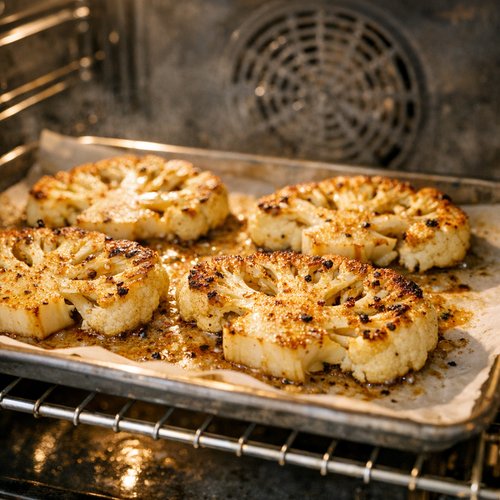
Return the baking sheet to the oven for 10 to 15 additional minutes. The exact timing depends on your oven’s personality and the thickness of your steaks, but you’re looking for deep golden-brown color and fork-tender texture. A fork should pierce the center with gentle pressure. The edges should be noticeably darker than the centers—that’s caramelization, and that’s where the flavor lives.
Step 8: Finish and Serve Immediately
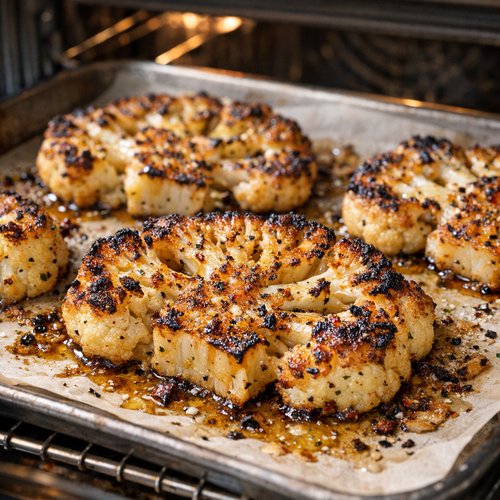
Remove from the oven and immediately drizzle with fresh lemon juice if desired. This brightness is optional but makes a genuine difference. Serve immediately while the steaks are warm and the exterior is still crispy. Transfer to a serving plate rather than leaving them on the hot baking sheet, which continues cooking them. Dietary note for all versions: This recipe is best enjoyed right away, but I’ll address storage options in the section below.

Nutrition Comparison Across Versions
I always believe in transparency when it comes to nutrition. Here’s the honest breakdown of what you’re eating in each dietary variation. These numbers are based on USDA FoodData Central and assume you’re enjoying two medium-sized steaks plus loose florets (approximately 200 grams of cooked cauliflower). The beautiful truth is that all versions are nutritionally identical because the base recipe contains no animal products, processed ingredients, or hidden sugars.
- Calories: Approximately 95 to 110 per serving (two steaks)
- Total Fat: 7 to 8 grams (from olive oil; supports absorption of fat-soluble vitamins A, D, E, and K)
- Saturated Fat: Less than 1 gram
- Carbohydrates: 7 to 9 grams total, approximately 4 to 5 grams net carbs (after subtracting fiber)
- Dietary Fiber: 2 to 3 grams per serving
- Protein: 2.5 to 3 grams per serving (more than most people realize from vegetables)
- Sodium: 400 to 500 milligrams per serving (depending on seasoning preferences)
For keto dieters: This is an exceptional low-carb vegetable choice with enough fat from olive oil to support ketone production. For vegan eaters: You’re getting plant-based protein, antioxidants, and micronutrients like vitamin K and folate. For gluten-free followers: This is completely safe and provides excellent fiber for digestive health. For dairy-free dieters: You’re getting minerals like potassium and magnesium without any inflammatory animal products.
How Each Version Tastes Different
I want to be honest with you here: the taste is absolutely identical across all dietary versions because nothing changes in the recipe itself. What differs is the psychological experience and what you serve alongside it. Let me explain what I mean.
The cauliflower steak itself—whether you’re eating it keto, vegan, gluten-free, or dairy-free—delivers the same crispy exterior, tender interior, and deeply savory, slightly sweet flavor from the caramelized edges. The garlic powder and paprika create warmth, while coriander adds subtle earthiness. Lemon juice (if used) brightens everything without adding sweetness.
Where the experience differs is in context. Keto eaters might appreciate this more fully knowing it fits their macros perfectly and will keep them satisfied for hours. Vegan eaters might pair this with chickpea curry for protein, making it feel more substantial. Gluten-free followers often tell me they appreciate the straightforwardness of a recipe with zero hidden gluten risks. Dairy-free eaters enjoy the simplicity of whole-food nutrition without worrying about cross-contamination in processed seasonings.
The flavor itself, though? It’s consistently delicious across every dietary variation.
Can I Store Cauliflower Steak Recipe?
Yes, and I have specific storage guidance based on my years of helping clients with meal prep. The good news is this recipe stores beautifully, though I’ll be honest about the texture trade-off.
Refrigerator Storage: Place cooled cauliflower steaks in an airtight container and refrigerate for up to 4 days. They’ll soften somewhat compared to fresh, but they remain delicious. I recommend eating them cold as part of a salad, warming them gently in a 300-degree oven for 5 minutes, or even adding them to grain bowls.
Freezer Storage: Lay cooled steaks on a baking sheet in a single layer and freeze until solid (about 2 hours), then transfer to a freezer bag for up to 3 months. Thaw in the refrigerator overnight, then reheat in a 350-degree oven for 8 to 10 minutes until heated through. The texture will be slightly softer after freezing, but the flavor remains strong.
Make-Ahead Strategy: I recommend prepping the cauliflower (washing, drying, and slicing) up to 1 day ahead. Store the raw slices in a sealed container in your vegetable drawer. Season and roast them the day you plan to eat them for the best texture and crispy exterior. This way, you get restaurant-quality results with minimal last-minute effort.
Pro tip from my practice: Don’t store these steaks in the same container as salad greens or other watery vegetables—they’ll transfer moisture and become soggy faster.
What to Serve With Cauliflower Steak Recipe?
One of my favorite things about this recipe is how versatile it truly is. It works as a main course, a side dish, or even a component in larger bowls and salads. The mild, savory flavor means it pairs beautifully with virtually any cuisine. Here are my tested combinations across different dietary needs.
- Served alongside Easy 1 Pot Massaman Curry – works beautifully for keto, vegan, and gluten-free dieters looking for a complete meal with vegetables, protein, and spiced sauce in one pot
- Paired with an Affordable Salad Recipe – layer warm cauliflower steaks over fresh greens with a simple vinaigrette for all dietary versions; the warmth of the roasted vegetable slightly wilts the greens perfectly
- Alongside BBQ Beef Mince – for those who aren’t vegetarian, these steaks provide a vegetable-forward side that’s substantial enough to feel like a complete plate
- With baked beans on the side – the classic combination of roasted vegetables and legumes creates complete protein when you need plant-based options; works especially well for vegan dieters
- As a grillable veggie burger companion – if you want to keep everything plant-based, serve these steaks alongside a hearty veggie burger for a satisfying, meat-free burger night
- Over quinoa or brown rice – creates a substantial bowl base for keto eaters (skip the grains) or vegan eaters looking to add whole grains for complete protein
- With roasted root vegetables – combining cauliflower steaks with carrots, beets, or parsnips creates a naturally colorful, nutrient-dense plate
- Topped with tahini drizzle – for plant-based eaters, a simple tahini sauce (tahini, lemon juice, garlic, water) adds creaminess and extra protein without dairy
Make-Ahead Guide: Meal Prep Like a Dietitian
From my years working with busy clients, I’ve learned that successful healthy eating comes down to having prepared components ready to go. This recipe is perfect for meal prep because the preparation can be split across multiple days depending on your schedule.
Three Days Before: Buy your cauliflower heads. Store them unwashed in your vegetable drawer (they actually keep longer unwashed). Check your spice cabinet and make sure you have everything on hand. This prevents last-minute grocery store trips.
One Day Before: Wash and dry your cauliflower heads thoroughly. Remove outer leaves and trim the cores. Slice into steaks and florets. Store in an airtight container in your vegetable drawer with a paper towel to absorb excess moisture. This way, roasting takes just 30 minutes on the actual day you want to eat them.
Day Of: Pat sliced cauliflower completely dry, arrange on your prepared baking sheet, season, and roast according to the timing outlined above. The entire roasting process takes 30 minutes. Cool slightly before storing or serving.
Weekly Strategy: If you’re meal prepping for the week, I recommend roasting two batches on Sunday. Store half in the refrigerator for the first few days (eating it within 4 days), and freeze the second batch in portions for later weeks. This gives you maximum flexibility and minimal food waste.
Expert’s Nutritional Tip: Why Cauliflower Is a Dietitian’s Secret Weapon
In my practice, I recommend cauliflower to nearly every client, regardless of their dietary goals. Here’s why: it’s one of the few vegetables that becomes genuinely satisfying when roasted at high heat due to its natural ability to caramelize. Unlike some vegetables that become mushy or lose appeal through cooking, cauliflower actually improves through roasting. The Maillard reaction (that browning you see on the edges) creates complex flavor compounds that make it taste almost meaty. For clients trying to reduce animal protein or who are managing weight, this psychological satisfaction matters as much as the actual nutrition. Plus, one serving of roasted cauliflower provides nearly 15 percent of your daily vitamin C needs and about 10 percent of your daily fiber—both crucial for immune function and digestive health. The fact that it’s also one of the most affordable vegetables year-round means there’s no excuse not to include it in your regular rotation.
Common Mistakes to Avoid
After teaching countless people how to make this recipe through my nutrition consultations and cooking classes, I’ve seen the same mistakes happen repeatedly. Here’s how to avoid them so your first batch is just as excellent as your tenth.
- Mistake 1: Skipping the drying step. If your cauliflower isn’t completely dry before seasoning, moisture creates steam during roasting, which prevents the crispy exterior you’re after. I cannot stress this enough—pat them dry multiple times if needed. This single step makes the difference between steamed and roasted.
- Mistake 2: Overcrowding the pan. If pieces are touching or stacked, they’ll steam instead of roast. Use a large baking sheet and give each steak space to breathe. If your cauliflower is very large, use two baking sheets rather than squishing everything into one.
- Mistake 3: Not flipping halfway through. I know the instructions say to flip after 15 minutes, but some people skip this because they’re hesitant about handling the hot vegetables. Don’t skip it. Flipping ensures even browning on both sides. Use two wide spatulas and work carefully—it takes less than two minutes.
- Mistake 4: Underseasoning or forgetting to season the second side. Many people salt the first side and then forget about the second side. Remember: you have two portions of seasoning for a reason. Using them separately (first side, then second side) ensures every bite tastes intentional rather than some pieces being bland and others overseasoned.
Seasonal Variations: Adapting This Recipe Year-Round
One reason I love this recipe is its flexibility across seasons. The base preparation never changes, but complementary ingredients and serving suggestions shift with what’s available and what your body naturally craves at different times of year.
Spring (March to May): Serve your roasted cauliflower steaks alongside fresh spring greens, asparagus, and early peas. Add a light lemon vinaigrette. This is when I add extra fresh lemon juice to the roasted steaks themselves because the brightness feels seasonally appropriate. Pair with lighter proteins like fish or fresh legumes.
Summer (June to August): Grill your cauliflower steaks instead of roasting them (same temperature, just on outdoor equipment). Serve alongside grilled vegetables and fresh herbs. This is the season to experiment with fresh basil or cilantro sprinkled on top. Summer tomatoes and cucumbers make perfect fresh sides.
Fall (September to November): Roast at the same temperature but pair with warmer side dishes—roasted sweet potatoes, pumpkin, or other fall squashes. Add smoked paprika (mentioned in my ingredients list as an optional addition) to emphasize deeper, smokier flavors that feel seasonally appropriate. Serve alongside grain bowls or hearty legumes.
Winter (December to February): Roast alongside root vegetables like carrots, beets, and parsnips. Drizzle with tahini or a warm spice blend. Serve as part of warm grain bowls or alongside slow-cooked legumes. Winter is when I increase healthy fats through olive oil or sesame oil because the body naturally craves warming foods.

Cauliflower Steak Recipe
Ingredients
Equipment
Method
- Set your oven to 425 degrees Fahrenheit and allow it 10 minutes to fully preheat. This high temperature is crucial—it's what creates that golden, caramelized exterior while keeping the interior tender. While your oven heats, line a large rimmed baking sheet with parchment paper or nonstick foil. Spray it lightly with olive oil. Keto note: Don't skip the oil here; it contributes to satiety and helps prevent sticking. All other versions: This step is identical across the board.
- Rinse both cauliflower heads under cool running water and pat them completely dry with paper towels or a clean kitchen towel. Moisture is the enemy of crispy roasted vegetables—any water clinging to the surface creates steam, which prevents browning. Remove the large outer leaves and trim the very bottom of the core with a sharp knife, but keep the core intact (that's what holds everything together). Stand each head upright on your cutting board.
- Using a sharp chef's knife, carefully slice each cauliflower head into ¾-inch-thick steaks. You should get approximately three solid steaks from each head, plus some irregular pieces. Don't throw those irregular pieces away—they become beautiful roasted florets. The outer edge slices will naturally break apart during handling; this is completely normal and expected. Arrange all steaks and loose florets in a single layer on your prepared baking sheet. Pro tip from my nutrition practice: Those broken florets actually have more surface area, which means more caramelized edges and more concentrated flavor. Nothing is wasted here.
- Pat the cauliflower pieces dry one more time with a fresh paper towel—this matters more than you'd think. Lightly spray or brush the tops of all pieces with olive oil. Sprinkle half of your salt, half of your black pepper, half of your garlic powder, half of your paprika, and half of your coriander evenly across all pieces. I like to use my fingers to gently rub the seasonings into the oil so they stick rather than simply sitting on top. Keto eaters: Don't be shy with the oil; it enhances flavor and increases satisfaction. All versions: Even seasoning distribution is what separates restaurant-quality from home cooking.

- Place your baking sheet in the preheated oven on the middle rack. Set a timer for exactly 15 minutes. Resist the urge to check on it—opening the oven door releases heat and disrupts the cooking process. During these 15 minutes, the cauliflower is developing a golden crust on the bottom surface while the interior begins to soften. Nutrition insight: This moderate roasting time preserves most of the cauliflower's water-soluble B vitamins and vitamin C, which can degrade with overcooking.
- Remove the baking sheet carefully from the oven. Using two wide, sturdy spatulas (this is genuinely important for keeping steaks intact), carefully flip each piece. I recommend working methodically, one piece at a time, rather than rushing. The steaks will be hot and slightly fragile at this point. Once everything is flipped, spray the now-exposed tops lightly with olive oil and sprinkle with the remaining seasonings—the other half of your salt, pepper, garlic powder, paprika, and coriander. Again, gently rub them in with your fingers.
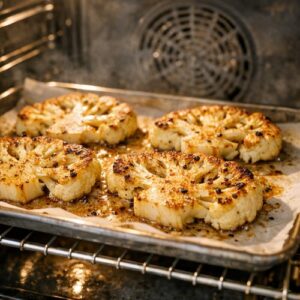
- Return the baking sheet to the oven for 10 to 15 additional minutes. The exact timing depends on your oven's personality and the thickness of your steaks, but you're looking for deep golden-brown color and fork-tender texture. A fork should pierce the center with gentle pressure. The edges should be noticeably darker than the centers—that's caramelization, and that's where the flavor lives.
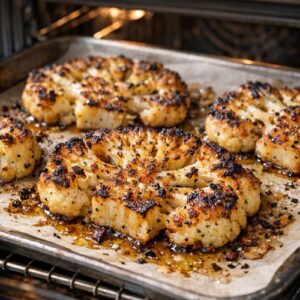
- Remove from the oven and immediately drizzle with fresh lemon juice if desired. This brightness is optional but makes a genuine difference. Serve immediately while the steaks are warm and the exterior is still crispy. Transfer to a serving plate rather than leaving them on the hot baking sheet, which continues cooking them. Dietary note for all versions: This recipe is best enjoyed right away, but I'll address storage options in the section below.

Notes
FAQs
Can I make this recipe in an air fryer instead of a traditional oven?
Absolutely, and many of my clients actually prefer the air fryer method because it cuts cooking time significantly. Preheat your air fryer to 400 degrees Fahrenheit. Slice your cauliflower identically to the oven method. Arrange pieces in a single layer in the air fryer basket (work in batches if needed—overcrowding is even more problematic in an air fryer). Spray lightly with olive oil and season as directed. Air fry for 12 to 15 minutes total, shaking the basket halfway through instead of flipping individual pieces. The texture is slightly different—you get even more crispiness with less browning—but it’s delicious. For a similar vegetable comparison, check out my Air Fryer Carrot Recipe to see another variation of this cooking method.
Is this recipe appropriate for someone following a low-FODMAP diet?
The base recipe is low-FODMAP friendly because cauliflower is actually a safe vegetable for people managing irritable bowel syndrome or FODMAP sensitivity. However, garlic powder might be a concern for some individuals because it contains fructans. If you’re strictly low-FODMAP, substitute the garlic powder with garlic-infused oil (which removes the problematic compounds) or skip it entirely and increase the paprika and coriander instead. The recipe remains delicious with this adjustment. Always verify with your healthcare provider or registered dietitian if you’re managing medical conditions.
How can I add extra protein to make this a complete meal?
This is a question I hear frequently from clients trying to build more substantial plates. The cauliflower steak itself provides about 2.5 to 3 grams of protein per serving, which is modest. To make it a complete protein-inclusive meal, pair it with: legumes (beans, lentils, chickpeas—roughly 15 grams of protein per cooked cup), tofu or tempeh for vegan eaters (about 20 grams of protein per 3.5 ounces), grilled fish or poultry for non-vegetarians (about 25 grams per 3.5 ounces), or nuts and seeds scattered on top (about 5 to 7 grams per ounce). Building your plate with a protein source plus this vegetable plus a whole grain or healthy fat creates a balanced, satisfying meal regardless of your dietary approach.
Can I use frozen cauliflower instead of fresh?
Technically yes, but I don’t recommend it. Frozen cauliflower has a higher water content than fresh, which means it releases moisture during thawing and roasting, making it difficult to achieve the crispy exterior this recipe depends on. If you must use frozen, thaw it completely, pat it very thoroughly dry with multiple paper towels, and consider extending the roasting time by 5 to 10 minutes. Fresh cauliflower is already affordable (especially in bulk or at farmers markets), so I encourage buying fresh for this particular preparation.
What if my cauliflower steaks are different sizes—does this affect cooking time?
Yes, thickness matters for roasting time. The ¾-inch thickness I specified should cook in about 25 to 30 minutes total. If you accidentally cut some thicker (perhaps 1 to 1.5 inches), those pieces might need an additional 5 to 10 minutes. If you cut some thinner (perhaps ½ inch), they might finish 5 minutes earlier. The best indicator is fork-tenderness—the center should yield to gentle fork pressure. If some pieces are done before others, you can remove the finished pieces and return just the undercooked pieces to the oven. It’s not elegant, but it’s better than serving some pieces overcooked and others undercooked.
Is this recipe budget-friendly for families on tight grocery budgets?
Absolutely, and honestly, this is one of my favorite reasons to recommend it. Cauliflower is one of the most affordable vegetables available—I regularly see it for $2 to $3 per head, sometimes even cheaper when bought in bulk or at discount grocers. Two medium heads cost roughly $4 to $6 and serve 4 to 6 people depending on portion size and what you’re serving alongside it. Olive oil is an investment, but you need only about 3 tablespoons per recipe, and a single bottle lasts many, many recipes. The seasonings (salt, pepper, garlic powder, paprika, coriander) are pantry staples most households already have. All told, this meal costs approximately $1 to $1.50 per person to prepare, making it one of the most cost-effective vegetable dishes in my entire recipe collection. For families managing tight budgets, this deserves rotation on your weekly meal plan.
More Diet-Friendly Recipes
- BBQ Beef Mince Recipe – A flavorful, budget-conscious ground beef recipe that pairs beautifully with roasted vegetables for complete, satisfying meals without breaking the bank
- Easy 1 Pot Massaman Curry – A creamy, spiced curry that works for vegan, gluten-free, and dairy-free diets when you use coconut milk and verify your spice blends
- Baked Beans Recipe on the Stovetop – A plant-based protein powerhouse that combines beautifully with roasted cauliflower for complete meals under $2 per serving
- Grillable Veggie Burger – A substantial plant-based burger option that transforms roasted cauliflower steaks into part of a completely meat-free meal solution
The Bottom Line: Healthy Eating Doesn’t Require Restriction
When I started my career as a registered dietitian, I quickly realized that the clients who succeeded long-term weren’t the ones following the most restrictive diets or eating the most expensive ingredients. They were the ones who discovered recipes that tasted genuinely good, fit their dietary needs without compromise, and didn’t require them to shop at specialty stores or spend hours in the kitchen. This cauliflower steak recipe is exactly that kind of recipe.
Whether you’re eating keto, vegan, gluten-free, dairy-free, or following a standard balanced approach, this dish proves that dietary differences don’t have to create dietary isolation. You can sit at the same table, eat the same meal, and have completely different reasons for doing so. That’s the power of cooking with intention and understanding your ingredients.
I encourage you to make this recipe your own. Adjust the seasonings based on what’s in your spice cabinet. Pair it with the proteins and sides that work for your